
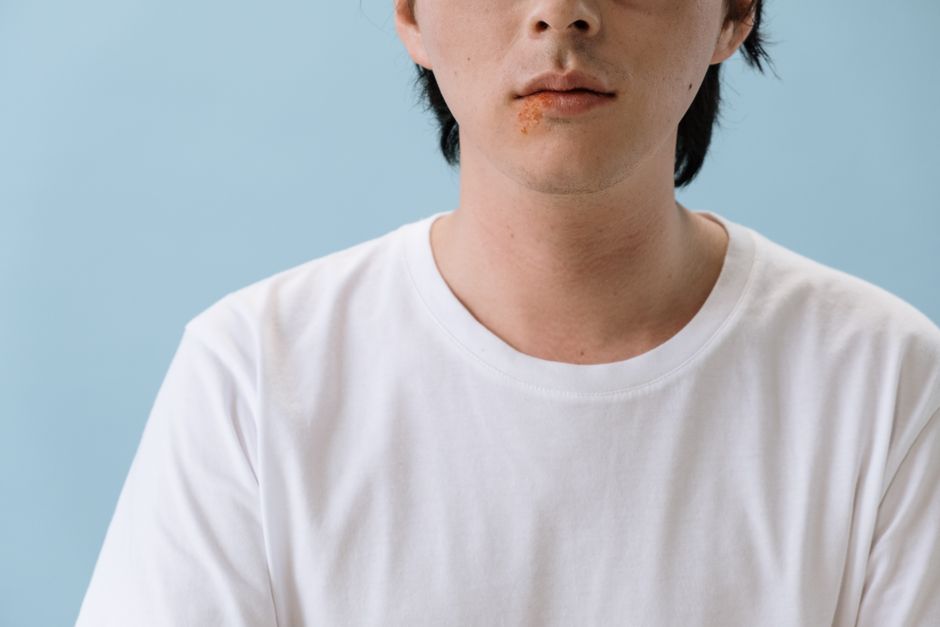
Hairy leukoplakia is a white, hairy-looking patch on the tongue that cannot be scraped off. It is caused by the Epstein-Barr virus (EBV) and almost always appears in people with weakened immune systems, particularly those with HIV. Treatment focuses on managing the underlying immune condition and sometimes using antiviral medication to clear the lesion.
What Exactly Is Hairy Leukoplakia?
Hairy leukoplakia is not a form of cancer, and it is not the same as the common “hairy tongue” that can happen from poor oral hygiene. It is a specific condition caused by the Epstein-Barr virus reactivating in the cells of the tongue. The virus stays dormant in most people after a childhood infection. When the immune system becomes weak, the virus can reactivate and cause these distinct white patches.
The patches usually appear on the sides of the tongue. They look folded or corrugated, with tiny hair-like projections. The name “hairy” comes from this appearance, not from actual hair. The patches are painless for most people, though some report a mild burning sensation or altered taste.
This condition was first identified in the 1980s during the early HIV epidemic. It became a key marker for disease progression before effective HIV treatments existed. Today, it is still most common in people with HIV, but it can also appear in anyone with a suppressed immune system — organ transplant recipients, people on long-term steroids, or those with certain blood cancers.
What Causes Hairy Leukoplakia?
The direct cause is the Epstein-Barr virus infecting the epithelial cells on the tongue. Almost all adults carry EBV. It is the same virus that causes mononucleosis. In healthy people, the immune system keeps it under control. When immunity drops, the virus multiplies inside tongue cells, causing them to grow abnormally and produce the characteristic white lesions.
HIV is the most common underlying cause. Research published in the Journal of Oral Pathology and Medicine found that hairy leukoplakia occurs in roughly 20% of people with HIV who are not on antiretroviral therapy. The risk drops significantly once someone starts effective HIV treatment and their immune system recovers.
Other causes include:
- Organ transplantation — Anti-rejection drugs suppress the immune system
- Prolonged corticosteroid use — Especially inhaled steroids for asthma
- Blood cancers — Leukemia and lymphoma can weaken immunity
- Chemotherapy — Temporarily suppresses immune function
Smoking does not cause hairy leukoplakia, though it can worsen many other oral conditions. This is a common mix-up. The virus is the cause, not tobacco or alcohol.
What Are the Symptoms of Hairy Leukoplakia?
The main symptom is a white patch on the tongue that looks hairy or folded. It is almost always on the sides of the tongue, though it can spread to the top or bottom in rare cases. The patch cannot be scraped off with a toothbrush or tongue scraper. This is a key difference from other white tongue conditions like thrush, which scrapes off easily.
Most people have no pain. The patch is usually flat or slightly raised. Some people describe it as feeling like a rough spot. In a small number of cases, the area may feel mildly tender or burn when eating spicy or acidic foods. This is not common.
The patches can grow slowly over weeks or months. They may change shape or size. In some people, the patches come and go depending on their immune status. If the immune system improves, the patches may shrink or disappear without any direct treatment.
A 2021 study in Oral Diseases followed 45 people with hairy leukoplakia. Only 3 reported any discomfort. The rest had no symptoms other than the visible patch. Many people first notice it while looking in the mirror or when a dentist points it out during a routine exam.



How Is Hairy Leukoplakia Diagnosed?
Dentists and doctors can often diagnose hairy leukoplakia just by looking at it. The location on the sides of the tongue and the inability to scrape it off are strong clues. If the person has a known immune condition, the diagnosis is even more straightforward.
When the diagnosis is unclear, a biopsy can confirm it. The doctor numbs the area and removes a small piece of tissue. A pathologist looks at it under a microscope. The key finding is “balloon cells” — enlarged epithelial cells with a specific appearance caused by the Epstein-Barr virus. A special stain can detect EBV DNA in the tissue, which confirms the diagnosis.
The table below shows how hairy leukoplakia compares to other common white tongue conditions:
| Condition | Can be scraped off | Common location | Primary cause |
|---|---|---|---|
| Hairy leukoplakia | No | Sides of tongue | Epstein-Barr virus |
| Oral thrush | Yes | Any part of mouth | Candida fungus |
| Lichen planus | No | Cheeks, gums, tongue | Immune reaction |
| Hairy tongue | Yes, with brushing | Top of tongue | Bacteria buildup |
Blood tests are not used to diagnose hairy leukoplakia directly. But if someone has hairy leukoplakia and does not know their HIV status, testing for HIV is strongly recommended. The CDC notes that hairy leukoplakia can be an early sign of HIV infection in people who were not previously aware.
What Is the Treatment for Hairy Leukoplakia?
Treatment depends on the underlying cause. For people with HIV, the most effective approach is starting or optimizing antiretroviral therapy (ART). As the immune system recovers, the lesions often resolve on their own. A 2019 review in AIDS Patient Care and STDs found that over 80% of people with HIV who started ART saw their hairy leukoplakia disappear within 6 months.
For people who cannot take ART or have lesions from other causes, antiviral medications can help. Valacyclovir and acyclovir are the most commonly used. These drugs stop the Epstein-Barr virus from replicating. The lesions usually shrink within 1 to 2 weeks of starting treatment. However, they may return if the medication is stopped and the immune system remains weak.
Topical treatments are sometimes used but the evidence is weaker. Some doctors prescribe podophyllin resin applied directly to the lesion. Others use topical retinoids. These treatments can irritate the tongue and do not address the underlying viral cause. They are generally reserved for cases where systemic treatment is not an option.
Surgical removal is rarely needed. The lesion is not dangerous and removing it does not cure the infection. The virus remains in the tissue and the patch can grow back. Surgery is only considered if the lesion is unusually large or if a biopsy is needed to rule out cancer.
Is Hairy Leukoplakia Dangerous?
Hairy leukoplakia itself is not dangerous. It is not cancerous and does not turn into cancer. The lesions are benign growths caused by a virus. They do not spread to other parts of the body. They do not affect how long someone lives.
The danger is what the condition signals. In someone who does not know their immune status, hairy leukoplakia can be the first sign of a serious immune problem. For someone with known HIV, it can indicate that their current treatment is not working well enough. The lesion itself is harmless, but the reason it appeared needs attention.
There is no evidence that hairy leukoplakia increases the risk of oral cancer. A 2020 analysis in the Journal of Oral Pathology and Medicine reviewed 30 years of data and found no link between hairy leukoplakia and malignant transformation. This is different from other oral lesions like erythroplakia, which do carry cancer risk.
Some people worry that the Epstein-Barr virus itself causes cancer. EBV is linked to certain cancers like nasopharyngeal carcinoma and some lymphomas. But hairy leukoplakia is not a precursor to these cancers. The virus behaves differently in tongue epithelial cells than in lymphoid tissue.
Can Hairy Leukoplakia Be Prevented?
Prevention comes down to keeping the immune system strong. For people with HIV, consistent use of antiretroviral therapy is the most effective prevention. The World Health Organization recommends ART for all people with HIV regardless of CD4 count. This keeps the immune system robust enough to suppress EBV.
For organ transplant recipients, doctors carefully balance immunosuppressive drugs to prevent rejection while minimizing infection risk. This is not always possible, but lower doses of certain drugs may reduce the chance of hairy leukoplakia developing.
There is no vaccine for Epstein-Barr virus as of 2026. Several candidates are in clinical trials, but none are available yet. Avoiding EBV infection is nearly impossible — over 90% of adults carry the virus. Prevention focuses on controlling the virus after infection, not avoiding it.
General immune health practices apply here too. Adequate sleep, good nutrition, and managing stress all support immune function. But these alone will not prevent hairy leukoplakia in someone with significant immune suppression. The underlying condition must be addressed.
What to Avoid When You Have Hairy Leukoplakia
Do not try to scrape or scrub the patches off. This will not remove them and can irritate the tongue. The virus lives inside the cells, not on the surface. Scraping only damages healthy tissue and can cause pain or bleeding.
Avoid using over-the-counter mouthwashes that claim to treat oral lesions. Many contain alcohol or harsh antiseptics that can irritate the tongue without helping the condition. There is no evidence that any OTC product eliminates hairy leukoplakia.
Do not assume the patch is thrush and treat it with antifungal medication. This is a common mistake. Thrush scrapes off. Hairy leukoplakia does not. Antifungals will not work against a virus. Using them unnecessarily can contribute to drug resistance.
Do not panic if you see the lesion. It looks concerning, but it is not an emergency. Make an appointment with a dentist or doctor. They can examine it and determine if further testing is needed. In most cases, the treatment is straightforward and effective.
Frequently Asked Questions
Is hairy leukoplakia contagious?
No. The Epstein-Barr virus is contagious, but almost all adults already carry it. The lesion itself cannot spread to another person.
Can hairy leukoplakia go away on its own?
Yes, if the immune system improves. People who start HIV treatment or reduce immunosuppressive medications often see the lesion disappear without direct treatment.
Does hairy leukoplakia hurt?
Most people have no pain. A small number report mild burning or sensitivity, but the lesion is usually painless.
How long does treatment take to work?
Antiviral medications like valacyclovir typically shrink the lesion within 1 to 2 weeks. Immune recovery from ART takes longer, usually several months.
