
How Does Light Exposure Affect Your Sleep Cycle?
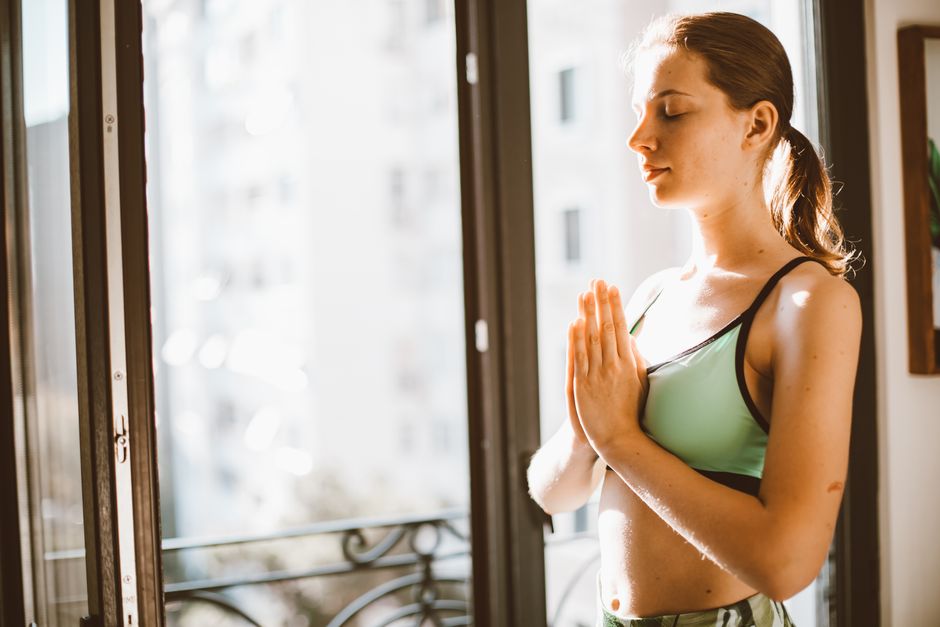
Your body runs on a 24-hour internal clock called the circadian rhythm. This clock is controlled by a small part of your brain that responds directly to light. When bright light hits your eyes in the morning, it tells your brain to stop making melatonin, the hormone that makes you sleepy. This helps you wake up and feel alert.
As the sun goes down and light gets dimmer, your brain starts making melatonin again. This prepares your body for sleep. The problem happens when you are exposed to bright artificial light at night, especially from screens. Research published in the journal Current Biology found that reading on a light-emitting device before bed suppresses melatonin for more than 90 minutes compared to reading a printed book.
Blue light from phones, tablets, and computers is the main culprit. It has a short wavelength that is very effective at stopping melatonin production. The American Academy of Sleep Medicine reports that using devices within one hour of bedtime is linked to worse sleep quality and longer time to fall asleep. If you struggle with sleep, the timing of your light exposure matters more than most people realize.
What Does Research on How Light Exposure Affects Your Health Show?
Studies have found that light exposure does more than just affect sleep. It influences your metabolism, immune system, and even your risk for certain diseases. A large study published in JAMA Internal Medicine tracked over 43,000 women for nearly six years. Women who slept in rooms with some light coming in were 22% more likely to gain weight and become obese compared to those who slept in complete darkness.
Another major finding comes from the National Toxicology Program, which reviewed decades of research on shift work. People who work night shifts and get light exposure at the wrong time have higher rates of breast cancer, heart disease, and diabetes. The World Health Organization has classified night shift work as a probable carcinogen because of how it disrupts circadian rhythms.
The evidence is strong enough that the American Medical Association has issued guidelines about outdoor lighting. They recommend using warmer color lights with less blue spectrum at night to reduce health risks. This is not just about sleep anymore. The research shows that chronic misalignment between your light exposure and your internal clock has real consequences for long-term health.
How Does Morning Light Help Your Mood and Focus?
Getting bright light in the morning is one of the most effective things you can do for your mental health. The light signals your brain to stop producing melatonin and start producing cortisol, which is not just a stress hormone but also helps you feel alert and focused. This is called the cortisol awakening response, and it sets the tone for your entire day.
Studies have found that morning light exposure improves mood for people with depression. Research from the University of Pittsburgh showed that people who got more morning bright light had lower depression scores regardless of how much they slept. The effect was strongest in people who had early morning light for at least 30 minutes.
Natural sunlight is ideal because it is much brighter than indoor lighting. A cloudy day still provides about 1,000 lux of light, while a bright indoor room might only give you 100 to 300 lux. The National Institute of Mental Health has used timed light exposure as a treatment for seasonal affective disorder for decades. But the benefits apply to everyone, not just people with diagnosed conditions. Morning light helps your body know when to be awake and when to sleep later that night.


What Are the Health Risks of Too Much Light at Night?
Too much light at night does not just make it harder to fall asleep. It can cause real physical changes in your body. When your brain senses light at night, it suppresses melatonin. Melatonin does more than help you sleep. It is also a powerful antioxidant that helps protect your cells from damage.
The Nurses’ Health Study followed over 100,000 women for more than 20 years. Women who reported the most light exposure at night had a 14% higher risk of developing breast cancer. Similar findings have been reported for prostate cancer in men. The link is strong enough that the American Cancer Society includes light at night as a factor worth reducing.
Light at night also affects your metabolism. A study in the Proceedings of the National Academy of Sciences found that people exposed to dim light during sleep had higher heart rates and more insulin resistance the next morning compared to those who slept in complete darkness. Insulin resistance is a precursor to type 2 diabetes. This means that even a small amount of light in your bedroom could be affecting your blood sugar regulation without you knowing it.
What Are the Best Treatment Options for Light-Related Health Problems?
The most effective treatment is to fix your light exposure timing. This is called chronotherapy, and it is backed by solid research. For people who have trouble waking up, morning light therapy is the first line of treatment. Specialized light boxes that deliver 10,000 lux of cool white light can be used for 20 to 30 minutes each morning. The American Psychiatric Association recommends this specifically for seasonal depression.
For people who have trouble sleeping at night, the treatment is the opposite. You need to reduce light exposure in the evening. This means dimming lights two to three hours before bed. Red and amber colored lights are better because they have almost no blue spectrum. You can buy glasses that block blue light, but the research on them is mixed. Some studies show they help with sleep, while others show minimal effects. The most reliable approach is to just turn off screens earlier.
Below is a comparison of common light therapy options and what the evidence says about each one.
| Treatment | What It Does | Evidence Strength | Best For |
|———–|————-|——————-|———-|
| Morning light box (10,000 lux) | Suppresses melatonin, shifts clock earlier | Strong | SAD, difficulty waking, sleep phase delay |
| Blue-blocking glasses | Filters blue light from screens | Moderate | Evening screen use, sleep onset insomnia |
| Red or amber night lights | Provides light without blue spectrum | Strong | Nighttime bathroom trips, infant care |
| Gradual dawn simulator | Mimics sunrise to wake you gently | Moderate | People who dislike abrupt alarms |
| Evening dimming routine | Reduces overall light exposure | Strong | General sleep hygiene, shift workers |
Your bedroom environment matters just as much. Blackout curtains can block street lights and neighbor lights. Cover any electronics that have small lights, like chargers or smoke detectors. The goal is to make your bedroom as dark as possible. If you need a night light, use one with a red bulb. Your eyes are less sensitive to red light, so it disrupts melatonin production much less than white or blue light.
Common Misconceptions About Light and Health
One common myth is that you need to avoid all light at night completely. This is not realistic and not necessary. The issue is bright light and blue light specifically. A dim red light in your hallway will not hurt your sleep. The problem is when you watch TV or scroll on your phone in a dark room. The contrast between a bright screen and a dark room makes the light exposure even more disruptive.
Another misconception is that light therapy is only for winter depression. This is not true. Light therapy has been studied for non-seasonal depression, bipolar depression, and even for improving sleep in older adults. A review in The Lancet Psychiatry found that bright light therapy was as effective as antidepressant medication for some forms of depression. The key is using it at the right time of day.
Some people believe that wearing sunglasses indoors can help with light sensitivity. This can actually make things worse. Wearing dark glasses during the day tells your brain that it is night time, which can shift your circadian rhythm in the wrong direction. If you are sensitive to indoor lighting, try using warmer colored bulbs instead of blocking all light.
Frequently Asked Questions
Frequently Asked Questions
How much light exposure do I need each day?
Most people benefit from 20 to 30 minutes of morning sunlight within an hour of waking up. This is enough to set your circadian rhythm for the day.
Can blue light glasses fix my sleep problems?
Blue light glasses can help if you use screens at night, but they are not a cure-all. Reducing screen time and dimming lights is more effective than relying on glasses alone.
Is it bad to sleep with a night light on?
Sleeping with any white or blue light on can suppress melatonin and reduce sleep quality. A dim red night light is the least disruptive option if you need some light.
Does light therapy work for non-seasonal depression?
Yes. Research shows bright light therapy can help with major depression and bipolar depression when used consistently in the morning under medical guidance.
