
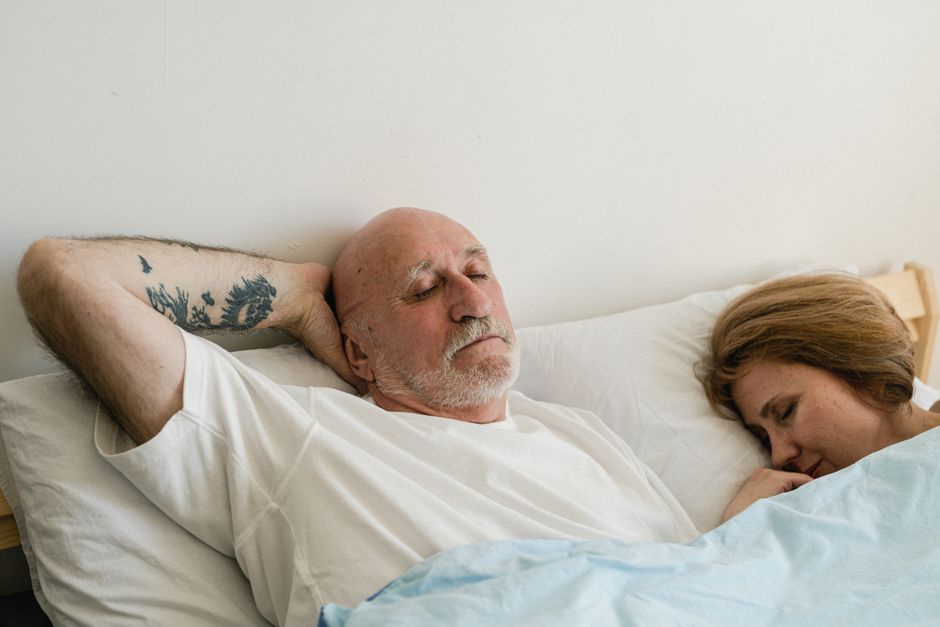
Sleep apnea is a sleep disorder where your breathing repeatedly stops and starts while you sleep. The most common symptoms include loud snoring, gasping for air during sleep, and extreme daytime tiredness. Treatment options range from a CPAP machine to oral appliances and lifestyle changes. Getting diagnosed and treated matters because untreated sleep apnea raises your risk for heart disease, high blood pressure, and stroke.
What Is Sleep Apnea?
Sleep apnea means your breathing stops for short periods during sleep. These pauses can last from 10 seconds to more than a minute. They can happen dozens or even hundreds of times per night. When breathing stops, your brain wakes you slightly to restart breathing. You usually do not remember these awakenings.
There are two main types. Obstructive sleep apnea is the more common type. It happens when the muscles in your throat relax too much, blocking the airway. Central sleep apnea occurs when your brain does not send proper signals to the muscles that control breathing. Some people have a mix of both, called complex sleep apnea.
Anyone can have sleep apnea, but it is more common in people who are overweight, have a large neck size, or have a family history. Men are more likely to have it than women. Risk also increases with age.
The severity of sleep apnea is measured by the apnea-hypopnea index (AHI). This counts how many times your breathing stops or becomes shallow per hour of sleep. Mild means 5 to 15 events per hour. Moderate means 15 to 30. Severe means more than 30 events per hour.
What Are the Symptoms of Sleep Apnea?
The most noticeable symptom is loud snoring. But not everyone who snores has sleep apnea. Other common symptoms include gasping or choking sounds during sleep, waking up with a dry mouth or headache, and trouble staying asleep.
During the day, people with sleep apnea often feel very sleepy even after a full night in bed. They may fall asleep while sitting still, watching TV, or driving. Other daytime signs include difficulty concentrating, mood changes like irritability or depression, and waking up often to urinate.
Many people do not realize they have these symptoms. A bed partner is often the first to notice the snoring, gasping, or breathing pauses. If you suspect sleep apnea, it is important to get a formal evaluation.
How Is Sleep Apnea Diagnosed?
Diagnosis starts with a medical history and a sleep-focused physical exam. Your doctor will check your neck size, weight, and throat anatomy. They may ask about your sleep habits and ask your bed partner about your snoring or breathing.
The gold standard test is a sleep study. This can be done at a sleep center (polysomnography) or at home with a portable device. During the study, sensors measure your brain waves, oxygen levels, heart rate, breathing patterns, and body movements. The results give your AHI score and show how much your oxygen drops during events.
Some home tests are simpler. They usually track oxygen level, heart rate, and breathing effort. Home tests are less expensive but may miss milder cases or central sleep apnea. Your doctor will decide which test is right for you based on your symptoms and risk factors.
If you have severe daytime sleepiness or other health problems, your doctor may also check for conditions like hypothyroidism or heart failure that can cause or mimic sleep apnea.




What Treatments Are Available for Sleep Apnea?
Treatment depends on the type and severity. The most common and effective treatment for obstructive sleep apnea is a CPAP machine. CPAP stands for continuous positive airway pressure. It delivers a steady stream of air through a mask to keep your airway open during sleep.
CPAP is not a cure. It works only while you use it. Many people find it uncomfortable at first, but adjustments to the mask, pressure settings, and humidity can help. Using it consistently reduces symptoms and lowers health risks. Some research shows CPAP improves blood pressure, reduces daytime sleepiness, and may lower the risk of heart problems.
Oral appliances are another option for mild to moderate obstructive sleep apnea. These custom-fit mouthpieces move your jaw forward or hold your tongue in place to keep your airway open. They are less effective than CPAP but more comfortable for some people. A dentist trained in sleep medicine usually fits them.
Lifestyle changes can help reduce symptoms. Losing weight is one of the most effective steps. For some people, weight loss can eliminate sleep apnea entirely. Avoiding alcohol and sedatives before bed helps because they relax throat muscles. Sleeping on your side instead of your back also reduces airway collapse.
Surgery is an option when other treatments fail or if you have specific physical problems like large tonsils or a deviated septum. Common procedures include:
- Uvulopalatopharyngoplasty (UPPP) – removes excess tissue from the throat
- Maxillomandibular advancement – moves the jaw forward to enlarge the airway
- Hypoglossal nerve stimulation – a device that stimulates the nerve to keep the tongue forward
Surgery is not always successful, and it carries risks. It is usually considered only after other treatments have been tried or if the anatomy clearly shows a correctable obstruction.
For central sleep apnea, treatment focuses on the underlying condition. This might include treating heart failure, adjusting medications, or using a different type of positive airway pressure like bi-level or adaptive servo-ventilation (ASV). Sometimes a CPAP alone can worsen central sleep apnea, so proper diagnosis is critical.
What Happens If Sleep Apnea Is Not Treated?
Untreated sleep apnea does more than make you tired. Over time, the repeated drops in oxygen and sudden awakenings stress your heart and blood vessels. This raises the risk of high blood pressure, atrial fibrillation, heart attack, and stroke.
People with untreated sleep apnea are more likely to develop type 2 diabetes. The link is partly due to obesity, but sleep apnea itself affects glucose regulation and insulin sensitivity. It also worsens acid reflux and can cause fatty liver disease.
Daytime sleepiness from untreated sleep apnea increases the risk of car crashes and workplace accidents. Cognitive effects include memory problems and difficulty concentrating. Some research links long-term untreated sleep apnea with a higher risk of dementia, though the evidence is not conclusive.
During pregnancy, untreated sleep apnea may increase the risk of gestational diabetes, preeclampsia, and low birth weight. Any pregnant person with symptoms should be evaluated.
Can Sleep Apnea Be Prevented?
Not all cases of sleep apnea can be prevented. Some risk factors like age, genetics, and sex cannot be changed. But several lifestyle factors lower your risk or reduce symptom severity.
Maintaining a healthy weight is the most important preventive measure. Excess neck fat presses on the airway, especially when lying down. Regular exercise, even without weight loss, may also help because it strengthens respiratory muscles and improves sleep quality.
Avoiding alcohol and sedatives before bed helps. These substances relax the throat muscles and can trigger or worsen apnea. Smoking damages the upper airway and increases inflammation, so quitting reduces risk. Treating nasal allergies or congestion also helps keep the airway open.
What Does Sleep Apnea Mean for Daytime Energy and Brain Health?
Many people think sleep apnea only affects nighttime sleep. But it disrupts the sleep cycle throughout the night. Even if you sleep eight hours, the frequent awakenings prevent deep, restorative stages of sleep. This is why daytime fatigue is often profound despite “enough” time in bed.
Brain health is affected because during sleep, the brain clears waste products and consolidates memories. Repeated oxygen drops also damage brain cells over time. Some studies have found that people with severe sleep apnea have lower gray matter volume in areas linked to memory and emotion. But these changes may be at least partially reversible with effective treatment.
A non-obvious point: sleep apnea can mimic or worsen ADHD in both children and adults. In children, symptoms like inattention, hyperactivity, and poor academic performance are sometimes the only sign of sleep apnea. If a child has these issues and also snores, a sleep evaluation is worth considering.
Frequently Asked Questions
Can you die from sleep apnea?
Sleep apnea itself does not directly cause death during an apnea event, but untreated sleep apnea significantly raises your risk of fatal conditions like heart attack, stroke, and sudden cardiac death. Severe untreated sleep apnea is linked to a higher overall mortality rate.
Is snoring always sleep apnea?
No, many people snore without having sleep apnea. But loud and persistent snoring, especially with pauses or gasping sounds, should be checked for sleep apnea.
How long does it take for CPAP to work?
Many people feel better within a few days of using CPAP consistently. Full benefits for blood pressure and daytime energy may take several weeks to months.
Can sleep apnea go away on its own?
Sleep apnea rarely goes away without treatment. Weight loss can resolve it in some cases, but structural causes usually persist. Central sleep apnea may improve if the underlying cause is treated.
