

Green tea oil is a carrier oil made by infusing green tea leaves in a base oil, and it is used for its antioxidant and soothing properties. It is most valued for the skin, where it helps fight signs of aging and calm irritation, and for the hair, where it can support scalp health. While it is not a cure for any condition, the evidence shows it offers real benefits for daily skincare routines and scalp care.
What Is Green Tea Oil Exactly?
Green tea oil is not the same as the essential oil you might find for aromatherapy. Most products labeled “green tea oil” are actually a blend. The green tea leaves sit in a carrier oil, like jojoba or sunflower oil, for weeks. This lets the oil pull out the beneficial compounds from the leaves.
The main active ingredients are polyphenols, especially a group called catechins. The most studied catechin is EGCG, which stands for epigallocatechin gallate. These compounds are powerful antioxidants. In skincare, antioxidants help neutralize free radicals, which are unstable molecules that damage skin cells and speed up aging.
Some products do contain a true essential oil of green tea, but it is rare and used in tiny amounts. Always check the label. If you see a carrier oil listed first, you are buying an infused oil, which is what most people use for skin and hair care.
What Is Green Tea Oil Good For Skin?
The strongest evidence for green tea oil is in skincare. The catechins in green tea have been shown in multiple studies to reduce inflammation and protect against UV damage. Research published in the Journal of the American Academy of Dermatology found that applying green tea polyphenols to the skin reduced the damage caused by UV rays.
Green tea oil helps with several specific skin concerns:
- Redness and irritation: The anti-inflammatory properties can calm conditions like mild eczema or rosacea flare-ups.
- Fine lines: Antioxidants help protect collagen, the protein that keeps skin firm and smooth.
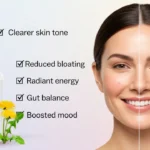
- Dullness: Regular use can improve skin tone and texture by reducing oxidative stress.
- Acne-prone skin: Green tea has antibacterial properties, and its anti-inflammatory action can reduce the redness of active breakouts.
For acne, the evidence is promising but not definitive. Some studies show that green tea extract applied topically reduces sebum production, which is the oily substance that clogs pores. However, most of these studies used concentrated extracts, not infused oils. The oil version is milder but still beneficial for most skin types.
How to Use Green Tea Oil on Your Skin
Green tea oil can replace your daily moisturizer or be layered under one. Apply a few drops to clean, damp skin. The dampness helps lock in hydration. Use it in the morning before sunscreen, or at night as the last step of your routine.
If you have oily or acne-prone skin, start with a small amount. Some people find any oil heavy, even though green tea oil is relatively light. Use it every other day at first to see how your skin responds.
For a more targeted treatment, mix a drop into your regular moisturizer. This is a simple way to get the benefits without changing your whole routine. Always patch test a new product on your inner arm for 24 hours before applying it to your face.




What Is Green Tea Oil Good For Hair?
The benefits for hair are less studied than for skin, but the mechanism makes sense. A healthy scalp is the foundation of healthy hair. Green tea’s anti-inflammatory properties can help soothe an irritated or flaky scalp.
Some research suggests that green tea extract may block a hormone called DHT, which is linked to hair loss. A study published in Phytomedicine looked at green tea catechins and their effect on hair follicles. The researchers found that EGCG promoted hair growth in human hair follicle cultures.
This is promising, but it is still early research. No large human trials have confirmed that green tea oil prevents or reverses hair loss. What it can do is improve the environment where hair grows. A calm, healthy scalp supports stronger hair growth.
For dandruff or dry scalp, green tea oil can help. Massage a few drops into your scalp before washing. Leave it on for 10 to 15 minutes, then shampoo as usual. This gives the anti-inflammatory compounds time to work.
Can Green Tea Oil Be Used on the Face and Body?
Yes, green tea oil is safe for both the face and body. The skin on your body is thicker and less sensitive than your face, so you can use more oil there. It works well as a body moisturizer, especially on dry patches like elbows and knees.
If you have keratosis pilaris, the small bumps often called “chicken skin,” green tea oil may help. The anti-inflammatory properties can reduce the redness around the bumps. It will not cure the condition, but it can make the skin look smoother and less irritated.
For the face, stick to a few drops. For the body, use as much as you need to cover the area. The oil absorbs fairly quickly and does not leave a heavy greasy feel, which makes it practical for daily use.
Are There Any Risks or Side Effects?
Green tea oil is generally safe for most people when applied to the skin. The most common issue is a mild allergic reaction, which is rare but possible. Stop using it if you notice redness, itching, or a rash.
People with very sensitive skin should be cautious. The infused oil contains more than just the carrier oil. It has the active plant compounds, which can irritate some skin types. Start with a patch test and use the oil only once or twice a week until you know how your skin reacts.
Pregnant or breastfeeding women should talk to their doctor before using green tea oil regularly. The amount absorbed through the skin is likely very small, but there is no specific safety data for this population. No clinical guidelines currently exist for green tea oil use during pregnancy.
Do not ingest green tea oil. It is not the same as drinking green tea, and the oil is not meant for internal use.
How Does Green Tea Oil Compare to Other Oils?
Green tea oil is often compared to other popular skincare oils. Here is how it stacks up:
| Oil | Main Benefit | Best For |
|---|---|---|
| Green tea oil | Antioxidant protection, anti-inflammatory | Redness, aging, dull skin |
| Jojoba oil | Moisture barrier support | Dry skin, all skin types |
| Rosehip oil | Vitamin A, scar healing | Scars, hyperpigmentation |
| Argan oil | Fatty acids, vitamin E | Dry hair, dry skin |
| Tea tree oil | Antibacterial | Active acne, fungal issues |
Tea tree oil and green tea oil are often confused because of the similar names. They are completely different. Tea tree oil is a strong essential oil that must be diluted. Green tea oil is a gentle infused oil that can be used directly. Never substitute one for the other.
For antioxidant protection, green tea oil is one of the best plant-based options. The catechins are more stable in oil form than in water-based serums, which means they last longer and remain effective.
What to Look for When Buying Green Tea Oil
Not all green tea oil products are equal. The quality depends on the base oil and the concentration of green tea. Look for products that list the carrier oil clearly. Jojoba and sunflower oil are good choices because they are light and absorb well.
Check the ingredient list. The green tea extract should be listed in the top half of the ingredients. If it is near the bottom, the amount is too small to provide real benefits. Avoid products with added fragrances, which can irritate the skin.
Dark glass bottles are better than clear plastic. Light breaks down the antioxidants over time. Store your oil in a cool, dark place and use it within six months of opening. If it smells rancid or changes color, throw it away.
Frequently Asked Questions
Can you put green tea oil directly on your skin?
Yes, green tea oil is safe to apply directly to the skin because it is an infused oil, not a concentrated essential oil. Start with a small amount and patch test first if you have sensitive skin.
How often should you use green tea oil on your hair?
Using it once or twice a week as a pre-shampoo scalp treatment is enough for most people. More frequent use may cause buildup on the scalp.
Does green tea oil help with acne scars?
Green tea oil can reduce the redness of active acne and may help fade dark marks over time. It does not treat deep or pitted scars, which require professional treatments.
Is green tea oil safe for oily skin?
Yes, green tea oil is light and non-comedogenic, meaning it does not clog pores. Some people with very oily skin still prefer to use it only at night.
