
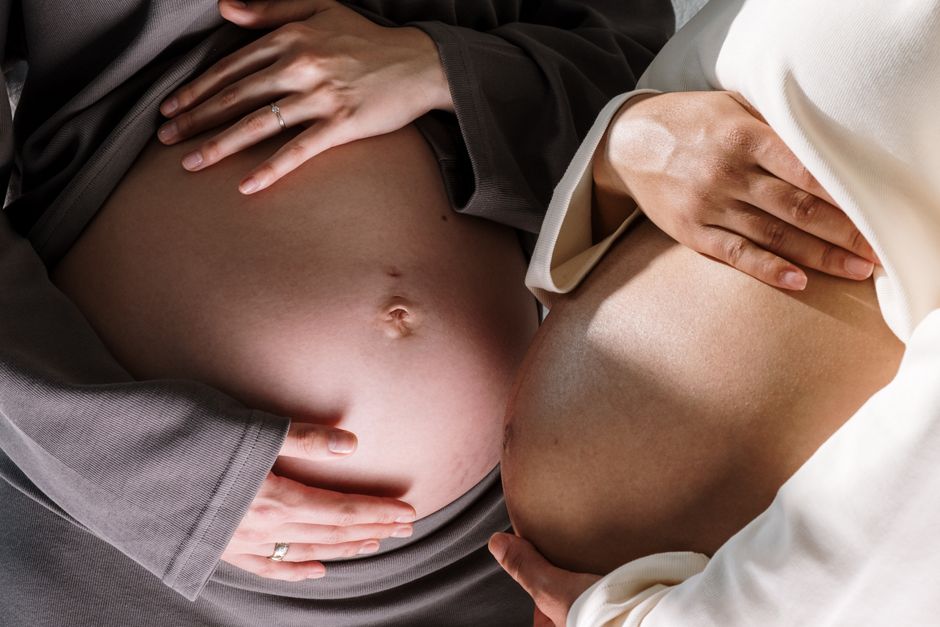
Pregnancy changes the skin, hair, and nails in ways that are visible and sometimes surprising. Shifting hormone levels, increased blood flow, and stretching skin all play a part. Most of these changes are temporary. Some are uncomfortable. A few need a doctor’s attention. Understanding what is normal — and what is not — helps you know when to simply wait it out and when to call your provider.
Why Does Pregnancy Change Your Skin, Hair, and Nails?
Hormones drive nearly every physical change in pregnancy, and your skin, hair, and nails are no exception. Estrogen, progesterone, and androgens all rise. So does blood volume — it increases substantially to support the growing fetus and placenta. These shifts affect pigment cells, oil glands, hair follicles, and the nail bed.
Blood flow to the skin increases too. That can make you feel warmer and give your face a flushed look, sometimes called the “pregnancy glow.” It also means your body is delivering more oxygen and nutrients to tissues throughout your body.
None of this is random. It is your body adapting to support a pregnancy. The visible changes are side effects of that adaptation.
How Pregnancy Affects Your Skin
Skin changes are the most common and most noticeable. They range from harmless cosmetic shifts to conditions that need monitoring.
Hyperpigmentation and Melasma
Melanocytes — the cells that produce skin pigment — become more active during pregnancy. This often darkens the areolas, the linea nigra (the vertical line down the belly), and existing freckles, moles, or scars. It can also cause melasma, sometimes called the “mask of pregnancy” — brown or gray-brown patches on the face, usually on the cheeks, forehead, and upper lip.
Melasma affects a significant number of pregnant women. Sun exposure makes it worse. Daily sunscreen use helps limit how dark these patches become. For most women, melasma fades in the months after delivery, though it can take longer and sometimes does not clear completely.
Acne
Acne during pregnancy is common, especially in the first trimester. Increased oil production and hormonal shifts can clog pores. Some women who never had acne before pregnancy develop it. Others find their skin clears up.
Treatment is tricky. Many standard acne medications are not considered safe during pregnancy. Retinoids, including isotretinoin, are known to cause serious birth defects and must be avoided. If acne is bothersome, talk to your doctor about what is safe for you. Do not start or stop any acne treatment without asking your provider first.
Stretch Marks
Stretch marks (striae gravidarum) appear in a majority of pregnancies, usually in the third trimester. They form when skin stretches faster than it can adapt. Genetics play a large role — if your mother had them, you are more likely to as well.
They start as pink, red, or purple streaks and gradually fade to silvery or white lines. No cream has been proven to prevent them. Some moisturizers may help with itching and dryness, but the evidence that any topical product prevents stretch marks is weak. This is one area where marketing claims run far ahead of the science.
Skin Tags and Other Changes
Small skin tags can appear on the neck, underarms, or groin. They are harmless and often shrink or disappear after delivery. Some women also notice their palms become red (palmar erythema) or develop tiny red spots called spider angiomas. These are related to increased estrogen and usually fade after birth.
How Pregnancy Affects Your Hair
Hair changes during pregnancy are dramatic and often the most talked about. The key driver is estrogen, which extends the growth phase of the hair cycle.
Normally, people shed about 50 to 100 hairs a day as part of a natural cycle. During pregnancy, many hairs stay in the growing phase longer instead of moving into the shedding phase. The result is thicker, fuller hair for many women, especially from the second trimester onward.
Not everyone experiences this. Some women notice no change at all. A smaller number find their hair becomes drier, oilier, or even slightly thinner.
The bigger surprise usually comes after delivery. When hormone levels drop, all those hairs that were held in the growth phase shift into the shedding phase at once. This causes noticeable hair loss, called postpartum telogen effluvium. It typically starts around two to four months after birth and can last for several months.
This shedding is temporary. Hair usually returns to its normal thickness within a year. It is not a sign of a nutrient deficiency or a health problem.
Body hair can also change. Some women notice more hair on the face, chest, or abdomen due to increased androgens. This usually resolves after pregnancy. If you develop coarse, dark hair in a male-pattern distribution along with other symptoms, mention it to your doctor, as it can sometimes signal a hormonal condition.





How Pregnancy Affects Your Nails
Nail changes in pregnancy are less predictable than skin or hair changes. Some women report stronger, faster-growing nails. Others find their nails become brittle, soft, or prone to splitting.
The evidence on why this happens is not clear. Increased blood flow and hormonal shifts are the likely contributors, but researchers have not pinned down a single mechanism. What is well documented is that nail growth rate can increase during pregnancy.
Some women develop horizontal grooves across the nails, called Beau’s lines. These can appear after a period of physical stress, including childbirth, and reflect a temporary slowdown in nail growth. They grow out over time.
One thing worth noting: nails can reveal underlying health issues. If you notice significant changes in nail color, shape, or texture — such as pitting, separation from the nail bed, or unusual discoloration — mention it to your provider rather than assuming it is just a pregnancy change.
What Skin Changes Should Concern You?
Most pregnancy skin changes are harmless. A few are not, and knowing the difference matters.
Severe itching, especially on the palms and soles, particularly in the third trimester, can be a sign of intrahepatic cholestasis of pregnancy (ICP). This is a liver condition that affects bile flow. It is uncommon but serious. ICP increases the risk of preterm birth and stillbirth if not managed. If you have intense itching without a rash, contact your doctor promptly.
A blistering rash that starts on the abdomen and spreads, called pemphigoid gestationis, is rare but requires medical evaluation. So is a widespread rash with fever or other systemic symptoms.
Also pay attention to:
- Sudden swelling of the face, hands, or feet, which can be a sign of preeclampsia
- A mole that changes in size, shape, or color during pregnancy
- Any skin lesion that bleeds, itches persistently, or does not heal
- Yellowing of the skin or eyes, which can indicate liver problems
None of these are common. But they are reasons to call your provider rather than wait.
What Can You Do About These Changes?
There is no way to prevent most pregnancy-related skin, hair, and nail changes. They are driven by hormones you cannot control. But a few practical steps can help.
Use sunscreen daily. It will not stop melasma, but it can keep it from getting darker. Choose a broad-spectrum sunscreen and reapply when you are outside for extended periods.
Keep your skin moisturized. This helps with dryness and itching. It will not prevent stretch marks, but it can make your skin feel more comfortable as it stretches.
Be gentle with your hair. Avoid harsh chemical treatments, tight hairstyles, and excessive heat, especially if your hair feels different than usual. Postpartum shedding is temporary — treat your hair kindly while it recovers.
Eat a balanced diet. There is no evidence that any specific food or supplement prevents or reverses these changes. But adequate protein, iron, and vitamins support normal hair and nail growth.
Talk to your doctor before using any new skincare product, supplement, or treatment during pregnancy. Many ingredients that are fine outside of pregnancy are not recommended during it.
Do These Changes Go Away After Birth?
Most do. Melasma and hyperpigmentation usually fade within months. Stretch marks lighten over time but may not disappear completely. Hair thickness typically returns to normal within a year. Nail changes resolve as hormones normalize.
Some changes can linger. Melasma may persist, especially with continued sun exposure. Stretch marks may remain visible as lighter lines. A small number of women find that skin tags or spider angiomas do not fully resolve.
If you are concerned about any change that is not improving, or that seems to be getting worse after delivery, talk to your doctor. Most of the time, the answer is reassurance. But it is always reasonable to ask.
Frequently Asked Questions
Does pregnancy make your hair thicker?
Yes, many women experience thicker, fuller hair during pregnancy because higher estrogen levels extend the hair’s growth phase. This effect typically reverses after delivery, when noticeable shedding can occur for several months.
Can pregnancy cause melasma on the face?
Yes, melasma is common during pregnancy due to increased melanocyte activity. It usually appears as brown patches on the cheeks, forehead, and upper lip, and often fades after delivery, though sun exposure can make it worse.
Are nail changes during pregnancy normal?
Nail changes are common and can include faster growth, brittleness, or horizontal grooves. These changes are usually temporary and resolve after pregnancy.
When should I worry about skin changes during pregnancy?
Contact your doctor if you have severe itching without a rash, sudden swelling of the face or hands, a mole that changes, or any skin lesion that bleeds or does not heal. These can signal conditions that need medical evaluation.
