
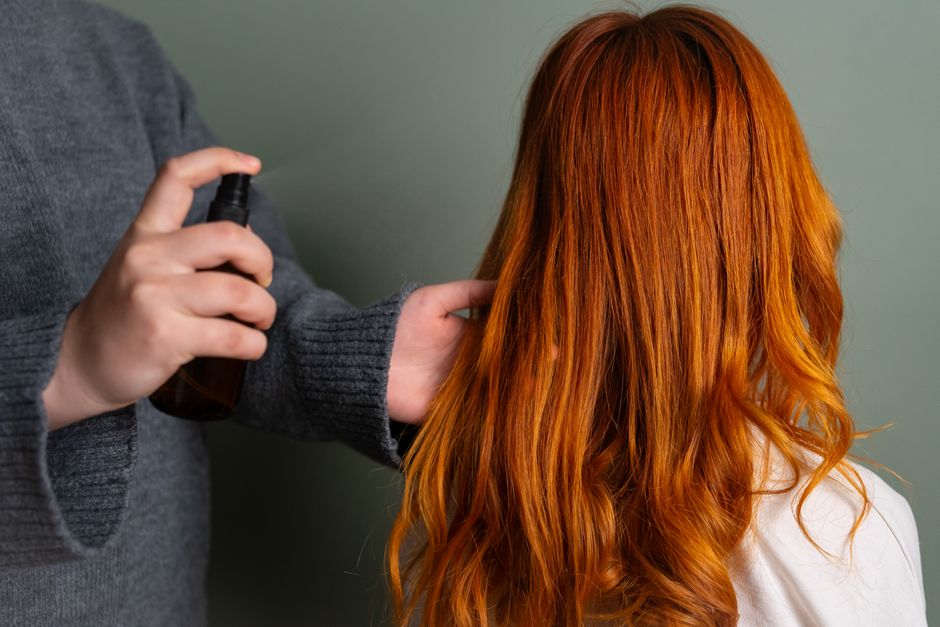
Hair dye binds to skin fast. Keratin in your skin is chemically similar to the keratin in your hair, so dye molecules grab onto it the same way they grab onto strands. That is why a dye stain on your forehead, ears, or hairline can look darker and last longer than you expect. The good news is that skin sheds constantly, so most dye stains fade on their own within a few days. You can also speed things up with a few common household items, and the method you pick depends on whether the dye is fresh and wet or already dried.
How To Remove Hair Color From Skin
Act while the dye is still wet if you can. Once it dries and oxidizes, it sets more firmly into the top layer of skin.
Start with the gentlest option and work up. Harsh scrubbing irritates skin and can make the stain look worse by causing redness that draws attention to the area.
For wet, fresh dye
- Wipe off the excess right away with a damp cloth or cotton ball.
- Wash with warm water and a mild soap. Rinse and repeat a few times.
- If color remains, apply a small amount of shaving cream or toothpaste and rub gently with a soft cloth.
- Finish with a gentle cleanser and moisturizer.
For dried, set-in dye
- Soak a cotton ball in rubbing alcohol and dab the stain. Test on a small area first if your skin is sensitive.
- For stubborn spots, try a paste of baking soda and water, or a dab of petroleum jelly worked in with a soft cloth.
- Nail polish remover containing acetone can lift dye from skin, but it strips oils and can irritate. Use sparingly and rinse well.
- Cleansing oil or makeup remover, worked in for 30 seconds or so, often loosens dye without the sting of alcohol.
Whatever method you use, finish by washing the area and applying a fragrance-free moisturizer. Skin that has been scrubbed or treated with alcohol is more prone to dryness and irritation for a day or two.
Why Does Hair Dye Stain Skin So Easily?
Permanent hair dye works through a chemical reaction. It contains dye precursors and a developer, usually hydrogen peroxide, that open the hair’s outer layer and let color molecules inside. Those same molecules can slip into the outer layer of your skin, called the stratum corneum.
Your skin and your hair share a protein called keratin. Because the dye is designed to bond with keratin, it does not distinguish between the keratin in your hair and the keratin on your skin. The dye sits in the dead cells at the surface and gradually disappears as those cells shed and are replaced.
This is also why permanent dye stains more stubbornly than semi-permanent or temporary color. Temporary dyes mostly coat the surface and wash off easily. Permanent dyes undergo an oxidation reaction that helps them set, and that same setting process makes skin stains last longer.
Darker shades tend to leave more visible stains, and they can be harder to remove. This is not because the dye is fundamentally different. It simply contains more pigment, so more of it is available to bind to skin.
Which Removal Methods Actually Work?
Several common methods work to varying degrees, and the evidence for them is mostly practical experience rather than controlled studies. There is no large clinical trial comparing shaving cream to baking soda for dye removal. That said, some approaches rest on solid chemistry.
Alcohol and acetone dissolve many dye compounds, which is why they are often effective. Oils and petroleum jelly work differently. They help lift dye by softening the skin’s surface and loosening the bond, rather than dissolving the pigment outright. Gentle mechanical removal with a soft cloth helps either way.
What tends to backfire is aggressive scrubbing. It removes some surface cells but also damages the skin barrier, causing redness and stinging. The stain may look less noticeable, but irritated skin often looks worse overall. Softer and slower usually wins.
Some people report that a warm shower alone fades a stain noticeably. That fits with how skin works. Warm water softens the outer layer, and the normal shedding process carries some dye away with it.



What Should You Avoid Putting on Dyed Skin?
Not every household remedy is safe for skin, and some can cause real harm.
Do not use bleach, ammonia, or other strong household cleaners on your skin. These can cause chemical burns. They are not designed for contact with skin and should never be used for stain removal.
Be cautious with acetone and rubbing alcohol if you have dry, sensitive, or broken skin. Both strip natural oils. If you have a cut, rash, or sunburn in the area, skip these and use a gentle oil-based cleanser instead.
Toothpaste can irritate some people, especially whitening formulas that contain abrasives or peroxide. If your skin stings, rinse it off right away.
If you have a known allergy to hair dye ingredients, especially a compound called PPD (paraphenylenediamine), do not try to scrub a stain off at home. Seek medical advice instead. PPD allergy can cause a reaction that goes beyond a simple stain, including redness, swelling, and itching, and it can worsen with repeated exposure. A patch test before dyeing is the standard way to check for this allergy.
How Long Does a Dye Stain Last on Its Own?
Most dye stains on skin fade within a few days without any treatment. The exact time varies by person, by how much dye touched the skin, and by the shade used.
Your skin replaces its outer layer continuously. As surface cells shed, the dye trapped inside them goes with them. This is why even a stain you cannot scrub off will eventually disappear on its own. Moisturizing and gentle washing can help the process along, but the underlying timeline is set by your skin’s natural turnover.
If a stain is still visible after about a week, it is worth looking more closely. What looks like dye could be irritation or a mild allergic reaction, which would need a different response than stain removal.
How Can You Prevent Hair Dye From Staining Skin?
Prevention is easier than removal. A few simple steps keep most dye off your skin in the first place.
- Apply a thin layer of petroleum jelly or a barrier cream along your hairline, ears, and neck before dyeing.
- Wear gloves and use the applicator brush carefully, keeping dye off the scalp edge where it can spread.
- Wipe up drips immediately with a damp cloth rather than waiting until the end.
- Consider a patch test before using a new dye, both to check for allergy and to see how easily it stains your skin.
Barrier creams work because they create a physical layer between your skin and the dye. The dye cannot reach the keratin underneath, so it has nothing to bind to. This is one of the few prevention methods with a clear mechanism behind it.
If you dye your hair at home regularly, keeping a small bottle of rubbing alcohol or a gentle oil cleanser on hand makes cleanup faster. The sooner you treat a stain, the less it sets.
When Should You See a Doctor?
Most dye stains are harmless and fade on their own. But some skin reactions to hair dye are not simple stains and need medical attention.
See a doctor if you notice swelling, blistering, oozing, or a rash that spreads beyond where the dye touched your skin. These can signal an allergic reaction, which may worsen with each exposure. Severe reactions can involve swelling of the face or throat, and those need emergency care.
If a stain does not fade after about a week, or if the area becomes painful or hot to the touch, get it checked. What looks like a stubborn stain can sometimes be something else that needs a different approach.
Frequently Asked Questions
How do you get hair dye off your skin fast?
Rubbing alcohol, acetone-based nail polish remover, or a gentle oil cleanser can lift fresh dye quickly. Apply with a cotton ball, rub gently, and rinse well.
Does toothpaste really remove hair dye from skin?
Toothpaste can help with light stains because its mild abrasives lift some surface dye. It is not a reliable fix for dark or set-in stains, and whitening formulas may irritate skin.
Can hair dye on skin be dangerous?
A simple stain is not dangerous and fades on its own. A reaction with swelling, blistering, or spreading rash can be serious and should be checked by a doctor.
How long does hair dye stay on skin?
Most stains fade within a few days as your skin sheds its outer layer. A stain still visible after about a week is worth having looked at.
