
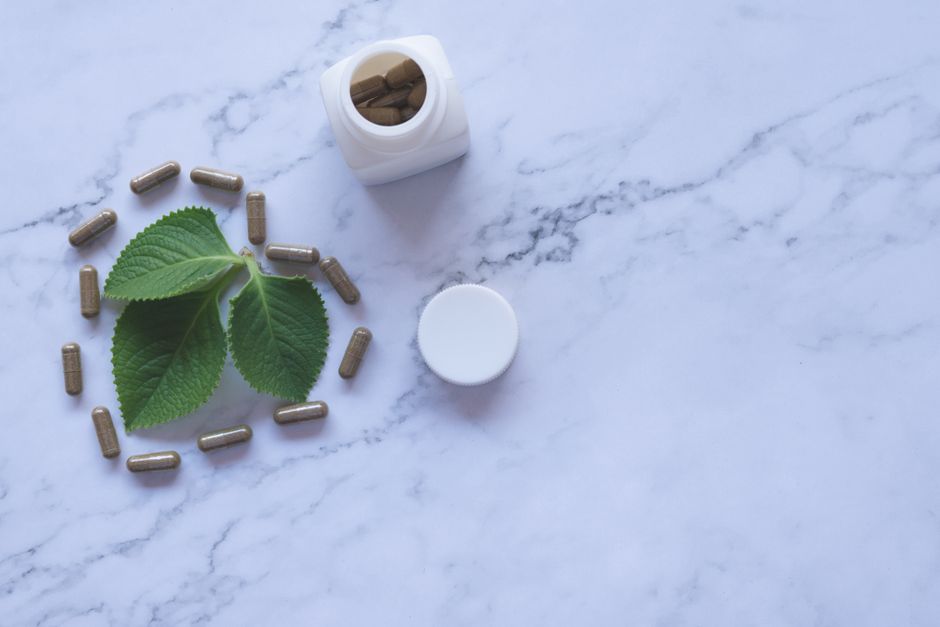
Green tea extract is a concentrated form of the compounds found in green tea leaves. It is made by steeping the leaves in a solvent, then removing the liquid to leave a dried powder or liquid concentrate. This process produces a supplement that contains much higher levels of the tea’s active plant chemicals than a standard brewed cup.
What Is Green Tea Extract Made Of?
The most studied components in green tea extract are called catechins. These are natural antioxidants that belong to a larger family of plant compounds known as flavonoids. The most abundant and biologically active catechin in green tea is epigallocatechin gallate, commonly shortened to EGCG.
Green tea leaves also contain caffeine, though in smaller amounts than coffee. The exact makeup of an extract varies by brand and manufacturing process. Some extracts are standardized to contain a specific percentage of EGCG or total catechins, while others are less precisely controlled. This matters because the concentration of active ingredients can influence both effects and side effects.
A typical brewed cup of green tea contains roughly 50 to 100 mg of catechins. A single capsule of green tea extract often contains several times that amount. That difference in concentration is why the extract is studied for therapeutic purposes, and also why it carries different risks than simply drinking tea.
How Does Green Tea Extract Work in the Body?
Catechins, particularly EGCG, act as antioxidants. Antioxidants neutralize free radicals, which are unstable molecules that can damage cells and contribute to aging and disease. This is a well-established chemical property, though translating antioxidant activity into specific health outcomes requires more evidence.
EGCG also appears to influence several enzymes and signaling pathways in the body. It can inhibit an enzyme that breaks down norepinephrine, a hormone involved in fat breakdown and metabolism. This mechanism is the basis for the popular claim that green tea extract boosts metabolism. The effect is real but modest in size.
Some research suggests catechins can interfere with the growth of certain cancer cells in laboratory settings. This has driven decades of interest in green tea as a cancer preventive. However, laboratory effects on isolated cells do not automatically translate to effects in the human body. The clinical evidence for cancer prevention in people remains inconclusive.
What Are the Proven Benefits of Green Tea Extract?
The strongest evidence for green tea extract relates to its caffeine and catechin content working together. Studies have consistently found that green tea extract can modestly increase calorie burning and fat oxidation. The effect is small but reproducible in clinical trials.
Research published in the Journal of the American College of Nutrition and other peer-reviewed journals has examined green tea extract for weight management. Results generally show that combining green tea extract with regular exercise produces slightly greater fat loss than exercise alone. The difference is typically a few pounds over several months, not dramatic weight loss.
Green tea extract also shows promise for supporting healthy cholesterol levels. Some clinical trials have found that regular consumption of green tea catechins can lower LDL cholesterol, sometimes called bad cholesterol, by a small amount. The reductions are modest, usually in the range of a few percentage points.
There is reasonable evidence that green tea extract improves mental alertness and focus. This effect is primarily attributed to caffeine, which is a well-documented stimulant. The combination of caffeine and L-theanine, an amino acid also present in green tea, may produce a calmer form of alertness than caffeine alone.




What Does the Research Say About Disease Prevention?
Large observational studies have looked at whether green tea drinkers have lower rates of heart disease and certain cancers. Many of these studies show an association between regular green tea consumption and reduced risk. But association does not prove causation. People who drink green tea regularly may also have other healthy habits that explain the difference.
The evidence is strongest for cardiovascular health. A substantial body of research indicates that regular green tea consumption is linked to lower risk of heart disease and stroke. The effect is thought to come from improvements in blood vessel function and cholesterol levels, not from a single miracle mechanism.
For cancer prevention, the evidence is more mixed. Some studies suggest green tea drinkers have lower rates of breast, prostate, and colorectal cancer. Other studies find no protective effect. The National Cancer Institute states that the evidence for green tea preventing cancer in humans is inconclusive and inconsistent. No major health organization currently recommends green tea extract specifically for cancer prevention.
There is emerging research on green tea extract for other conditions, including type 2 diabetes and neurodegenerative diseases. Some studies suggest improved blood sugar control and insulin sensitivity. The research is promising but not yet strong enough to support clinical recommendations.
What Are the Side Effects and Risks of Green Tea Extract?
Green tea extract is generally safe for healthy adults when taken at recommended doses. The most common side effects are related to caffeine and include jitteriness, insomnia, stomach upset, and increased heart rate. These effects are more likely at higher doses.
There is a more serious concern with high doses of green tea extract. Rare but documented cases of liver damage have been reported in people taking concentrated green tea supplements. The European Food Safety Authority has noted this risk, and some countries have set limits on the EGCG content in supplements.
Liver injury from green tea extract appears to be rare, but it can be severe. Symptoms include yellowing of the skin or eyes, dark urine, and severe abdominal pain. Anyone experiencing these symptoms while taking green tea extract should stop and seek medical attention.
Green tea extract can interact with certain medications. It may reduce the effectiveness of some blood thinners and blood pressure medications. The caffeine content can amplify the effects of stimulant medications. Always review supplements with a pharmacist or doctor if you take prescription medication.
Who Should Avoid Green Tea Extract?
Pregnant women should be cautious with green tea extract. High caffeine intake during pregnancy is associated with increased risk of miscarriage and low birth weight. No established safe dose of green tea extract exists for pregnancy, so many clinicians advise limiting or avoiding concentrated supplements.
People with liver conditions should avoid high-dose green tea extract. The documented cases of liver injury occurred mostly in people taking concentrated products, sometimes on an empty stomach. If you have any history of liver disease, discuss green tea extract with your doctor before taking it.
People sensitive to caffeine should choose decaffeinated green tea extract products. Many brands offer versions with the caffeine removed while retaining the catechins. This reduces the stimulant side effects but does not eliminate the theoretical liver risk at very high doses.
How Much Green Tea Extract Should You Take?
There is no universally agreed-upon dose for green tea extract. Clinical trials have used a wide range of doses, typically from 250 mg to 500 mg of catechins per day. Some studies have used higher amounts, but the risk of side effects increases with dose.
Products vary in their catechin concentration. A standard extract might contain 50 to 90 percent catechins by weight. A product label should state the amount of EGCG or total catechins per serving. If it does not, that is a reason for caution rather than confidence.
The European Food Safety Authority has suggested that daily intake of EGCG above 800 mg may be associated with liver concerns. This does not mean that dose is safe for everyone, but it provides a rough upper boundary based on available case reports. Staying well below that level is the more conservative approach.
Most research on green tea extract uses divided doses taken with meals. Taking extracts on an empty stomach may increase the risk of stomach irritation and has been noted in some liver injury case reports. Following the dosing instructions on a reputable product label is a reasonable starting point.
Green Tea Extract vs. Drinking Green Tea
Drinking green tea provides the same catechins as the extract, but in much lower concentrations. A cup of green tea contains about 50 to 100 mg of catechins. A single extract capsule can contain 300 mg or more.
Drinking tea has the advantage of being a beverage, which means it contributes to fluid intake and is consumed slowly. It also provides L-theanine naturally, which may soften the effects of caffeine. The risk of liver injury from drinking green tea is essentially nonexistent because the catechin dose per cup is far below the levels associated with problems.
The extract offers convenience and a higher dose of the active compounds. This makes it more suitable when a specific therapeutic effect is the goal, such as modest cholesterol improvement or enhanced fat burning during exercise. The trade-off is that higher doses carry higher risks.
For general health, drinking green tea is the lower-risk choice. For targeted effects that require higher catechin intake, a standardized extract may be appropriate, but it should be treated as a supplement with real biological activity, not a harmless food product.
Frequently Asked Questions
Is green tea extract the same as drinking green tea?
No. Green tea extract is a concentrated supplement containing much higher levels of catechins than brewed tea. A single capsule can contain more active compounds than several cups of tea.
Can green tea extract cause liver damage?
Rare cases of liver injury have been reported with high doses of concentrated green tea extract. The risk appears low but is real, so avoid very high doses and stop taking it if you develop symptoms like yellowing skin or dark urine.
Does green tea extract actually help with weight loss?
Some studies show a modest increase in calorie burning and fat loss when green tea extract is combined with exercise. The effect is small and should not be expected to produce significant weight loss on its own.
Is it safe to take green tea extract every day?
For healthy adults, daily use at moderate doses is generally considered safe. The evidence for safety weakens at very high doses, and anyone with liver conditions or who is pregnant should consult a doctor first.
