
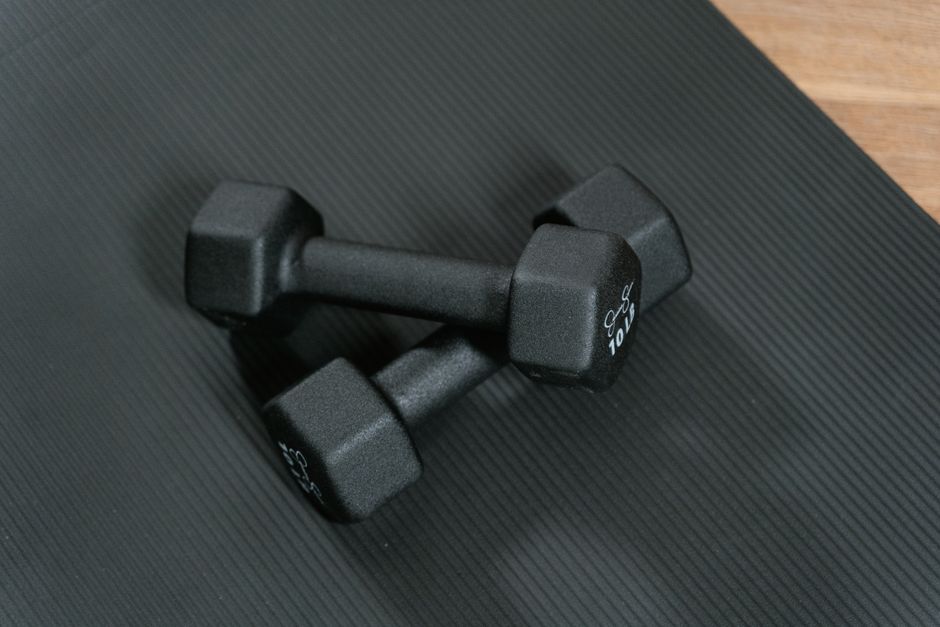
Yes, you can lift weights with glaucoma, but you need to take specific precautions to avoid dangerous spikes in eye pressure. The key concern is that heavy lifting causes a temporary but sharp increase in intraocular pressure (IOP), which can worsen glaucoma damage over time. Most people with well-controlled glaucoma can safely do moderate resistance training by managing their breathing, avoiding the Valsalva maneuver (holding your breath while straining), and using lighter weights with higher repetitions. You should always get clearance from your eye doctor before starting or continuing any weightlifting routine.
How Does Weightlifting Affect Eye Pressure?
When you lift a heavy weight, your body naturally responds by increasing pressure in your chest and head. This is called the Valsalva maneuver. You hold your breath, tighten your core, and push. This action raises pressure in your veins, which then increases pressure inside your eyes.
Research published in the Journal of Glaucoma found that lifting at maximum effort can raise IOP by 4 to 8 mmHg in healthy people. In someone with glaucoma, whose optic nerve is already vulnerable, these repeated spikes can accelerate nerve damage. The effect is temporary — pressure returns to normal within seconds after you set the weight down — but the cumulative effect of thousands of lifts over years is what matters.
The risk depends on how heavy you lift, how you breathe, and how long you hold the weight. A single heavy squat or deadlift at your one-rep max is much riskier than a set of 12 bicep curls with a moderate weight.
What Does Research on Weightlifting and Glaucoma Show?
Studies have consistently shown that isometric exercises — where muscles contract without movement, like holding a heavy weight — cause the largest IOP spikes. Dynamic exercises, where muscles move through a range of motion, cause smaller increases.
A 2019 study in the journal Ophthalmology and Therapy measured IOP in people with glaucoma during different types of resistance training. The researchers found that exercises involving the upper body and a tight grip, such as bench press and deadlifts, raised eye pressure more than lower body exercises like leg presses. The IOP increase was directly related to the percentage of the person’s maximum lift. Lifting at 80% of your max caused significantly higher pressure than lifting at 50%.
The American Glaucoma Society does not ban weightlifting. Their position is that moderate, controlled resistance training is acceptable for most patients. The risk comes from maximal or near-maximal lifts done with breath-holding. The evidence does not support telling everyone with glaucoma to stop lifting weights entirely. It supports smarter lifting.
Can I Lift Weights With Glaucoma If I Have Had Surgery?
If you have had glaucoma surgery — such as a trabeculectomy or a tube shunt — the rules change. These surgeries create a new drainage pathway for fluid in your eye. Heavy lifting can disrupt that pathway or cause bleeding inside the eye.
Most eye surgeons recommend avoiding any heavy lifting for at least four to six weeks after surgery. After that, you can slowly return to resistance training, but you must stay well below your maximum effort. Some surgeons recommend keeping your lifting intensity at 50% or less of what you could lift before surgery.
The exact timeline depends on your specific surgery, your healing, and your surgeon’s protocol. There is no one-size-fits-all answer. You need to ask your surgeon directly: “At what point can I lift weights, and what weight limit should I follow?” Write down their answer and follow it.



What Are Safe Weightlifting Guidelines for Glaucoma?
These guidelines come from ophthalmology research and sports medicine recommendations. They are not medical advice for your specific case — your doctor may have different instructions.
| Guideline | Why It Matters |
|---|---|
| Breathe out on exertion | Exhaling during the hardest part of the lift prevents the Valsalva maneuver and limits IOP spikes. |
| Use lighter weights, higher reps | Lifting at 60-70% of your max with 10-15 reps causes smaller pressure increases than heavy low-rep sets. |
| Avoid maximal lifts | Never test your one-rep max. That single lift creates the highest IOP spike. |
| Keep your grip relaxed | Crushing the bar or dumbbell raises blood pressure and eye pressure. Use a secure but not death-grip hold. |
| Rest 60-90 seconds between sets | This allows your eye pressure to fully return to baseline before the next set. |
| Avoid inverted or head-down positions | Exercises like decline bench press or hanging upside down increase pressure in the head and eyes. |
| Monitor your eye pressure | If your doctor can check your IOP before and after a workout, that gives you real data about your personal response. |
One non-obvious point: the type of weightlifting matters more than most people realize. Using machines that support your body and stabilize the weight — like a leg press or chest press machine — causes smaller IOP changes than free weights. That is because free weights require more stabilizing muscles and core tension, which increases overall body pressure.
What Exercises Should People With Glaucoma Avoid?
Certain exercises are consistently associated with larger IOP spikes. You do not need to avoid them forever, but you should approach them with caution or modify them.
- Heavy deadlifts and squats with maximal weight
- Bench press at 85% or more of your max
- Handstand push-ups or any inverted bodyweight exercise
- Heavy overhead presses, especially while holding your breath
- Any exercise where you feel the need to hold your breath and strain
- Valsalva-heavy activities like powerlifting, strongman training, or competitive weightlifting
This is widely claimed though strong evidence is limited: some people believe that all weightlifting is dangerous for glaucoma. That is not supported by research. The danger is not the act of lifting. The danger is lifting too heavy, holding your breath, and creating repeated pressure spikes. Moderate weightlifting with proper breathing technique does not cause the same concern.
Common Misconceptions About Glaucoma and Exercise
A common myth is that any increase in eye pressure during exercise is automatically harmful. That is not true. Eye pressure fluctuates throughout the day in everyone, even without glaucoma. A temporary rise of 4-6 mmHg during a set of squats is normal. The problem is when that rise happens repeatedly in an eye that already has a damaged optic nerve.
Another misconception is that aerobic exercise is safe but resistance training is dangerous. Some studies suggest that aerobic exercise actually lowers IOP temporarily. A 30-minute walk or jog can reduce eye pressure by 2-4 mmHg for up to an hour afterward. That does not mean resistance training is off limits. It means you should pair your weightlifting with regular cardio for the protective effect.
Some people report that they stopped lifting weights after a glaucoma diagnosis and their eye pressure did not change. That makes sense. Weightlifting causes temporary spikes, not a permanent elevation in baseline IOP. Stopping weights will not lower your resting eye pressure. It will only prevent the spikes that happen during lifting.
When Should You Stop Lifting and See a Doctor?
You should stop lifting immediately and contact your eye doctor if you experience any of these symptoms during or after a workout:
- Sudden eye pain or pressure that does not go away within a few minutes
- Blurred or decreased vision
- Seeing halos around lights
- Redness in one or both eyes
- A headache behind your eye that does not resolve
These symptoms can indicate a dangerous spike in eye pressure or an acute angle-closure glaucoma attack, which is a medical emergency. If your vision changes suddenly, do not wait for an appointment. Go to an emergency room or call your ophthalmologist immediately.
As of 2026, there is no clinical evidence that moderate weightlifting causes permanent vision loss in people with well-controlled glaucoma. The evidence shows that the risk is real but manageable with proper technique and medical supervision.
Frequently Asked Questions
Can weightlifting make my glaucoma worse?
Heavy lifting with breath-holding can cause temporary eye pressure spikes that may accelerate optic nerve damage over time. Moderate lifting with proper breathing technique does not have the same risk.
How long after glaucoma surgery can I lift weights?
Most surgeons recommend waiting four to six weeks before any heavy lifting. You should ask your specific surgeon for their exact timeline and weight limit.
Is it safe to do push-ups with glaucoma?
Push-ups cause a moderate increase in eye pressure because of the head-down position and core tension. They are generally safer than heavy deadlifts but should be done with controlled breathing.
Does aerobic exercise lower eye pressure in glaucoma?
Some studies suggest that moderate aerobic exercise like walking or cycling can temporarily lower eye pressure by 2-4 mmHg. That effect lasts about an hour after exercise.
