
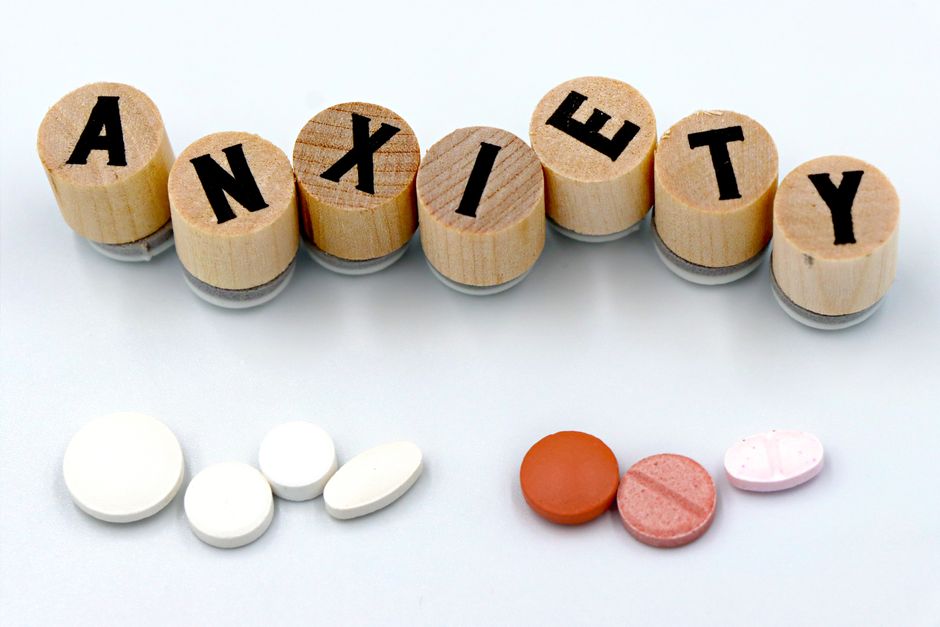
Lorazepam is a prescription medication that slows down brain activity to reduce anxiety, help with sleep, and stop seizures. It belongs to a class of drugs called benzodiazepines, and it works by boosting a natural brain chemical called GABA that calms nerve signals. Doctors prescribe it for short-term use because the body can become dependent on it quickly.
How Does Lorazepam Work in the Brain?
Lorazepam targets the same brain system that alcohol affects, but in a more controlled and predictable way. It attaches to GABA receptors and makes the calming signal stronger. Think of GABA as the brain’s brake pedal. Lorazepam pushes that pedal down further.
This is why people feel relaxed, sleepy, or less worried after taking it. The drug does not create calmness from nothing. It amplifies what your brain already does naturally. Research published in the New England Journal of Medicine has confirmed this mechanism for decades.
The effect happens fast. Most people feel something within 30 to 60 minutes after taking a pill. When given through an IV in a hospital, the effect can start in under five minutes. That speed is useful for panic attacks or before a medical procedure.
What Are the Approved Uses for Lorazepam?
The FDA has approved lorazepam for three main conditions. The first is anxiety disorders. This includes generalized anxiety where worry is constant and hard to control. The second is short-term relief of anxiety symptoms. This might be situational stress like before surgery or a difficult medical test.
The third approved use is for status epilepticus. This is a medical emergency where someone has a seizure that does not stop. Hospitals use injectable lorazepam to stop these seizures quickly. The drug is one of the first-line treatments for this condition according to guidelines from the American Epilepsy Society.
Doctors also prescribe lorazepam for other reasons, though these are not officially approved by the FDA. This is called off-label use. Common off-label uses include treating insomnia, managing chemotherapy-induced nausea, and calming severe agitation. Off-label prescribing is legal and common when evidence supports it.
What Does Lorazepam Do for Anxiety Compared to Other Options?
Lorazepam works faster than most other anxiety medications. SSRIs like sertraline or escitalopram take weeks to build up in your system. Lorazepam works in under an hour. That makes it useful for acute anxiety or panic attacks where waiting is not an option.
But the speed comes with trade-offs. SSRIs are not addictive. Lorazepam has a well-documented risk of dependence. The CDC has noted that benzodiazepine prescriptions contribute to emergency room visits and overdose risks, especially when combined with opioids.
Here is a comparison of how lorazepam stacks up against common alternatives:
| Medication | Onset of Action | Dependence Risk | Best For |
|---|---|---|---|
| Lorazepam | 30-60 minutes | High with regular use | Acute anxiety, panic, procedures |
| Sertraline (Zoloft) | 2-6 weeks | Low | Long-term anxiety management |
| Propranolol | 1-2 hours | Very low | Performance anxiety, physical symptoms |
| Buspirone | 2-4 weeks | Very low | Chronic mild anxiety |
For someone with occasional panic attacks, lorazepam taken as needed might be the right tool. For someone with daily anxiety that affects work and relationships, an SSRI plus therapy is usually the better long-term plan. Your doctor should help match the drug to your specific pattern of symptoms.





What Are the Side Effects and Risks of Lorazepam?
The most common side effects are drowsiness, dizziness, and unsteady walking. Some people feel confused or have trouble remembering things that happened while the drug was active. This is called anterograde amnesia, and it is more common at higher doses.
Less common but serious risks include respiratory depression, especially if you take lorazepam with alcohol or opioids. The FDA has issued a black box warning about this risk. Respiratory depression means your breathing slows to dangerous levels. This is the mechanism behind fatal overdoses.
Long-term use has its own set of problems. The brain adapts to lorazepam, so you need higher doses to get the same effect. This is tolerance. If you stop suddenly after regular use, withdrawal symptoms can include rebound anxiety, insomnia, heart palpitations, and in severe cases, seizures. The American Academy of Family Physicians recommends tapering off slowly over weeks or months.
One non-obvious insight many people miss is that lorazepam can actually make anxiety worse over time. The temporary relief teaches your brain to rely on the drug instead of developing coping skills. Some studies suggest that regular use for more than four weeks may increase the frequency of panic attacks in certain people. This is not universal, but it is real enough that doctors should monitor for it.
How Long Does Lorazepam Stay in Your System?
Lorazepam has an intermediate duration compared to other benzodiazepines. The half-life is about 12 to 15 hours in most adults. Half-life means how long it takes for half the drug to leave your body. After about two days, most of the drug is gone.
This matters for several reasons. First, it means you may feel the effects for most of a day after taking a dose. Second, it means the drug can accumulate if you take it daily. After five half-lives, or roughly three days of daily dosing, the level in your blood reaches a steady state.
Age and liver function change how long it stays. Older adults process lorazepam more slowly, so the effects last longer and side effects are more common. The Beers Criteria from the American Geriatrics Society recommends avoiding benzodiazepines in older adults unless absolutely necessary because of fall risk and cognitive impairment.
Drug tests can detect lorazepam for different lengths of time depending on the test. Urine tests typically pick it up for three to seven days after the last dose. Hair tests can detect it for weeks to months, but these are rarely used outside forensic settings.
What Should You Know Before Taking Lorazepam?
Lorazepam is not a first-choice treatment for most anxiety disorders. The National Institute for Health and Care Excellence recommends psychological therapies like cognitive behavioral therapy before medication for mild to moderate anxiety. Medication is added when therapy alone is not enough or when symptoms are severe.
If your doctor prescribes lorazepam, ask specific questions. How long should you take it? What is the plan for stopping? What symptoms should prompt a call to the doctor? A good prescriber will have answers to all of these before you leave the office.
Here are key things to discuss with your doctor:
- Any history of substance use disorder, including alcohol
- Other medications you take, especially opioids, sleep aids, or muscle relaxants
- Pregnancy or plans to become pregnant — lorazepam is generally avoided in pregnancy
- Liver or kidney problems that could affect how the drug is processed
- Your age — older adults face higher risks and may need lower doses
Never stop lorazepam suddenly if you have taken it regularly for more than a few weeks. Withdrawal can be dangerous. Work with your doctor on a tapering schedule that reduces the dose gradually over time. Some people need months to come off safely.
One final point that is worth repeating: lorazepam is a tool, not a cure. It treats symptoms temporarily. It does not fix the underlying causes of anxiety. For most people, the best outcomes come from combining medication with therapy, lifestyle changes, and stress management skills. The drug buys you time and relief while you build those other supports.
Frequently Asked Questions
Can you take lorazepam every day?
Doctors usually prescribe lorazepam for short-term or as-needed use because daily use increases the risk of dependence and tolerance. Taking it every day for more than two to four weeks requires careful medical supervision.
Does lorazepam make you sleepy?
Yes, drowsiness is one of the most common side effects of lorazepam. This is why it is sometimes used for insomnia, though other sleep aids are often preferred.
Can lorazepam be taken with food?
Yes, lorazepam can be taken with or without food. Taking it with food may slow absorption slightly but does not change the overall effect.
Is lorazepam the same as Xanax?
Both are benzodiazepines but they are not identical. Lorazepam works longer and is less potent per milligram than Xanax. They have different approved uses and side effect profiles.
