
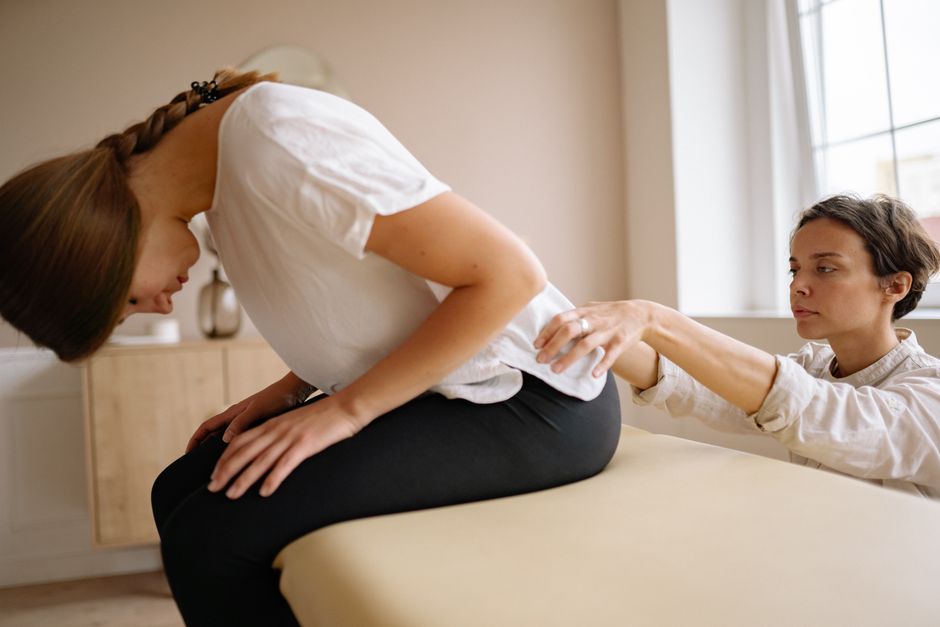
Lower back pain is one of the most common health complaints. For most people, staying active, using over-the-counter pain relievers, and applying heat or ice are the first steps. Physical therapy and specific exercises often help. Surgery is rarely needed. The key is to keep moving within your comfort level and avoid prolonged bed rest.
What causes lower back pain?
Most lower back pain is mechanical. That means it comes from the way your spine, muscles, ligaments, and discs work together. A muscle strain from lifting something too heavy or twisting the wrong way is a common cause. Disc problems, such as a bulging or herniated disc, can also cause pain. Arthritis in the spine is another cause, especially in adults over 50.
In many cases, the exact cause is never found. This is called non-specific low back pain. It can be frustrating, but it usually gets better on its own within a few weeks. Your doctor will look for “red flags” like nerve damage or infection, but these are rare.
What is good for lower back pain?
Evidence supports several treatments. The most important is to stay active. Bed rest for more than a day or two can make pain worse and slow recovery. Over-the-counter nonsteroidal anti-inflammatory drugs (NSAIDs) like ibuprofen or naproxen can reduce pain and inflammation. Acetaminophen (Tylenol) may also help, though evidence is weaker for back pain specifically.
Heat therapy relaxes tight muscles and improves blood flow. Ice can reduce swelling in the first 48 hours after an injury. Physical therapy with a trained professional often provides lasting relief. Exercise, especially stretching and strengthening the core and back muscles, helps prevent future episodes.
For acute pain (lasting less than 4 weeks), these measures alone are often enough. For chronic pain (lasting more than 12 weeks), a more structured program of exercise and sometimes cognitive behavioral therapy is recommended. Opioid painkillers, muscle relaxants, and steroid injections are not first-line treatments and carry risks.
What exercises help lower back pain?
Gentle movement is usually better than complete rest. Exercises that strengthen your core and improve flexibility are most helpful. Cat-cow stretches gently move your spine. Child’s pose stretches your lower back. Knee-to-chest stretches loosen tight muscles in the hips and low back.
A common approach is the McKenzie method, which uses repeated extension movements (arching backward) to centralize pain away from the leg and into the low back. This can be effective for certain types of disc problems. However, not all exercises work for everyone. Pay attention to what feels good and what makes pain worse.
A physical therapist can design a program for you. That is often the safest and most effective way to start. Do not push through sharp pain. Mild discomfort during stretching is okay, but sharp or worsening pain is a warning to stop.





What medications are used for lower back pain?
NSAIDs such as ibuprofen (Advil, Motrin) and naproxen (Aleve) are the most commonly recommended medications for lower back pain. They reduce inflammation and pain. Acetaminophen (Tylenol) is an alternative but does not treat inflammation. Some research suggests NSAIDs work slightly better for back pain.
Muscle relaxants are sometimes prescribed for short-term use, usually no more than one to two weeks. They can cause drowsiness and dizziness. Opioid pain relievers are not recommended for most cases of back pain due to the risk of addiction and side effects. They should only be used when other options fail, and only for a few days.
Topical creams containing capsaicin or lidocaine can provide temporary relief for some people. They are generally safe when used as directed. Always check with your doctor or pharmacist before starting a new medication, especially if you have other health conditions.
Do heat and ice help lower back pain?
Yes, both can help in different situations. Ice reduces blood flow and swelling. It is best used in the first 48 hours after an injury. Apply ice for 15 to 20 minutes at a time, with a cloth barrier to protect your skin. Ice can also dull sharp pain by numbing the area.
Heat relaxes tight muscles and increases blood flow, which can help with stiffness. Use a heating pad or warm bath for 15 to 20 minutes. Do not fall asleep with a heating pad on low, as burns can occur. Many people find alternating heat and ice gives the best relief, especially early on.
Neither heat nor ice will cure the underlying problem, but both are safe, cheap, and often very comforting. They work best alongside movement and other treatments.
When should you see a doctor for lower back pain?
Most lower back pain goes away on its own. But you should see a doctor if you have any of the following: pain that lasts longer than 4 to 6 weeks, pain that travels down one or both legs, numbness or tingling in your legs or feet. Also seek care if you have weakness in your legs or difficulty walking, if you lose control of your bladder or bowel, or if the pain came after a fall or injury.
Fever, unexplained weight loss, or a history of cancer should also prompt a visit. These are rare “red flags” that might point to a more serious cause such as infection, fracture, or tumor. Your doctor will take a history, do a physical exam, and may order imaging only if red flags are present. X-rays and MRIs are not needed for routine back pain.
Are alternative treatments effective for lower back pain?
Some alternative treatments have evidence to support them for certain people. Spinal manipulation by a chiropractor or osteopathic physician can help acute low back pain. Massage therapy may provide short-term relief for chronic pain. Acupuncture has mixed evidence, but some studies show it can reduce pain better than no treatment.
Yoga and Pilates can improve flexibility and core strength, which may help prevent future episodes. Mindfulness-based stress reduction also shows promise for chronic pain by changing how the brain processes pain signals. However, none of these treatments cure the underlying condition. They are best used as part of a broader plan that includes exercise and staying active.
Be cautious about unproven treatments like costly supplements, laser therapy, or “detox” programs. No clinical evidence currently confirms that most supplements help lower back pain. If a treatment sounds too good to be true, it probably is.
Frequently Asked Questions
Is it better to rest or stay active for lower back pain?
Staying active is generally better. Bed rest for more than two days can weaken muscles and slow recovery. Gentle movement helps most people.
Can stretching make lower back pain worse?
Yes, if you stretch too aggressively or into sharp pain. Gentle stretching within your comfort zone is usually safe. Stop if pain increases.
How long does lower back pain usually last?
Acute episodes often improve within a few days to four weeks. If pain lasts longer than 12 weeks, it is considered chronic and may need a different approach.
When should I get an MRI for lower back pain?
Only if you have red flags like leg weakness, numbness, or loss of bladder control. MRIs are not helpful for most back pain and can lead to unnecessary procedures.
