
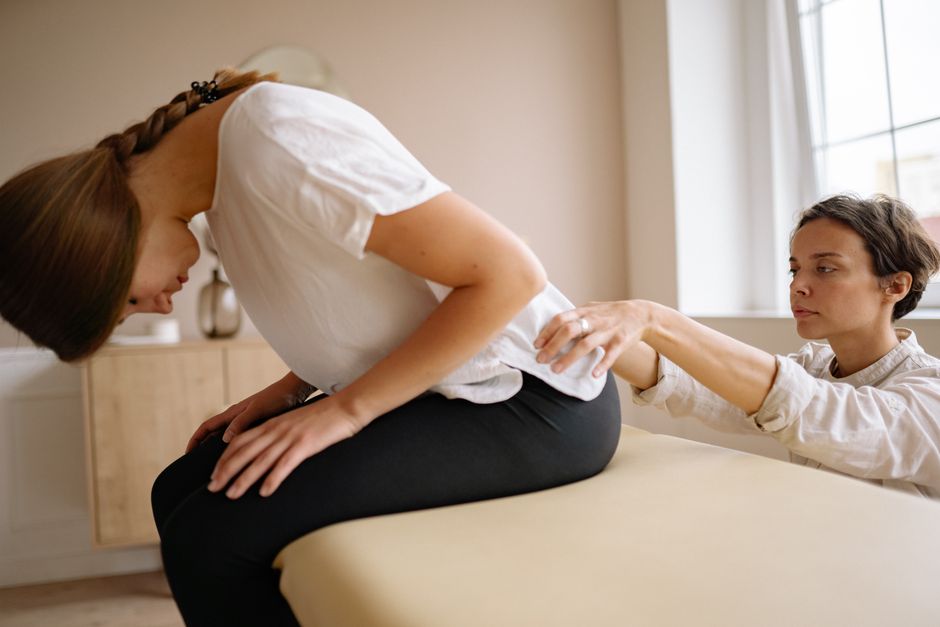
Lower back pain is one of the most common reasons people miss work or visit a doctor. When the ache becomes constant, it is natural to look for a quick fix, and a back brace often seems like the simplest option. The direct answer is that a back brace can provide temporary relief for some people, but it will not fix the underlying cause of your pain. Think of it as a tool for short-term comfort, not a long-term treatment on its own.
How Does a Back Brace Actually Work?
Back braces work through a few basic physical principles. They do not realign your spine or rebuild weak muscles. Instead, they provide external support that changes how your body distributes weight and how your brain senses your posture.
The brace creates pressure against your abdomen and lower back. This pressure gives your spine’s supporting muscles and ligaments a break. It also limits your range of motion, which prevents you from making sudden movements that might trigger a sharp pain. Many people find that wearing a brace reminds them to keep their back straight, acting as a physical cue for better posture.
What Types of Back Braces Are Available?
There is no single “best” brace for everyone. The right choice depends on the type of pain you have and what activity you need to do. The main categories include:
- Rigid braces: These have hard plastic panels that restrict movement significantly. Doctors often recommend them after surgery or for serious fractures. They provide maximum support but are uncomfortable for daily wear.
- Semi-rigid braces: These have flexible stays or supports built into a fabric belt. They offer a balance between support and mobility. This is the most common type used for general lower back strain.
- Soft elastic braces: These are simple wraps that provide compression and heat. They offer the least structural support but are the most comfortable for mild pain or during light activity.
- Posture correctors: These pull your shoulders back and can influence your spine’s alignment. They focus more on the upper back but are sometimes marketed for lower back pain.
Choosing a brace without professional guidance can lead to wearing the wrong type for your injury. A rigid brace on a simple muscle strain is overkill, while a soft wrap will not protect an unstable spine.
Will a Back Brace Help with Lower Back Pain in the Short Term?
Yes, for acute pain episodes, a brace can offer meaningful short-term relief. If you have a muscle strain from lifting something heavy or an awkward twist, the brace limits motion and gives the injured tissue time to begin healing. This can reduce the pain you feel when you move, bend, or twist.
This short-term relief is why many doctors suggest using a brace for a few days after an injury. It is also useful when you must return to physical work before your back is fully healed. Wearing a brace for a specific task, like moving boxes, can prevent re-injury during that activity.
The key limitation is that a brace does not speed up the healing process. The muscle or ligament still needs the same amount of time to repair. The brace simply makes that waiting period more bearable.
-
 Can Lower Back Pain Cause Testicles to Ache? The Short Answer
 -
How to Sleep If You Have Lower Back Pain? Simple Steps That Help
-
Why Do I Get Lower Back Pain on My Period? What’s Behind It
-
Can Kidney Stones Cause Lower Back Pain? What Experts Say
-
Joint Genesis Reviews 2026: What Complaints Real Users Have!





What About Chronic Lower Back Pain?
Chronic lower back pain, defined as pain lasting more than 12 weeks, is a different situation. The evidence that braces help with chronic pain is much weaker. Some studies suggest that wearing a brace during work hours may reduce discomfort for people with jobs that involve heavy lifting or prolonged standing. However, research has not confirmed that braces change the long-term course of chronic back pain.
There is a real risk that relying on a brace for chronic pain makes the problem worse over time. Your core and back muscles do less work when the brace supports you. Muscles that are not used weaken. Weaker muscles provide less natural support for your spine, which can lead to more pain when you are not wearing the brace.
This is sometimes called “brace dependence.” The brace becomes a crutch, and your back becomes weaker without it. For chronic pain, the goal should be to strengthen the muscles that support your spine, not to let them atrophy inside a brace.
When Should You See a Doctor First?
Back pain can be a sign of a serious medical problem. You should not assume a brace is safe until you know what is causing your pain. See a doctor before trying a brace if you have any of the following:
- Pain that travels down your leg and below your knee
- Numbness or tingling in your legs or feet
- Weakness in your legs
- Loss of bowel or bladder control
- Fever or unexplained weight loss
- Pain that started after a fall or accident
These symptoms can indicate nerve compression, a herniated disc, an infection, or a fracture. A brace will not treat any of these conditions. In cases like cauda equina syndrome, which involves loss of bladder control, delaying medical care can cause permanent damage.
How Long Should You Wear a Back Brace Each Day?
There is no universal guideline for how many hours a day you should wear a brace. The general clinical recommendation is to use it only when you need it. If you have pain when standing at work, wear it during your work shift. Take it off when you are sitting or lying down.
Most experts advise against wearing a brace all day, every day. Continuous use prevents your muscles from working and can lead to stiffness. A common approach is to use the brace for specific activities that provoke pain and remove it during rest periods.
If you find that you need the brace every single day just to function, that is a sign that you need a more comprehensive treatment plan. The brace is masking a problem that requires physical therapy or medical evaluation.
What Works Better Than a Brace for Long-Term Relief?
If a back brace is only a temporary tool, what actually helps in the long run? The evidence points strongly to movement and exercise. Physical therapy that focuses on strengthening your core, back, and leg muscles has consistently been shown to reduce pain and improve function in people with chronic lower back pain.
Exercise works because it addresses the root cause of most mechanical back pain: weak muscles and poor movement patterns. A physical therapist can teach you specific exercises for your condition. These often include planks, bridges, and pelvic tilts, but the right program depends on your individual assessment.
Other approaches with solid evidence include:
- Heat therapy: Applying heat for 15 to 20 minutes can relax muscles and increase blood flow.
- Nonsteroidal anti-inflammatory drugs (NSAIDs): Medications like ibuprofen can reduce inflammation and pain for short periods.
- Weight management: Carrying excess weight, especially around the abdomen, puts extra strain on the lower back.
- Ergonomic changes: Adjusting your chair, desk, and sleeping position can reduce daily strain on your spine.
Some people benefit from chiropractic care, massage, or acupuncture. The evidence for these approaches varies, and results are often individual. What works for one person may not work for another.
The Role of Activity Modification
Changing how you move is often more effective than wearing a brace. Learning to lift with your legs instead of your back can prevent many episodes of pain. Avoiding prolonged sitting and taking breaks to stand and stretch can also reduce strain.
If your pain flares up with specific movements, a brace can be a temporary aid while you learn new movement patterns. Some physical therapists use braces as a short-term teaching tool. The brace gives the patient confidence to move, and the therapist works on strengthening during the same period.
The end goal is to get you moving without the brace. If you use the brace as a bridge to more active treatment, it can be part of a successful recovery plan. If you use it as a replacement for treatment, it is unlikely to help in the long term.
Frequently Asked Questions
Can sleeping with a back brace help lower back pain?
No, sleeping in a back brace is not recommended for most people. Your body needs to move freely during sleep, and wearing a brace can cause stiffness and skin irritation.
Will a back brace help with lower back pain from a herniated disc?
A brace may provide temporary comfort by limiting movement, but it will not treat the herniated disc itself. Physical therapy and specific exercises are typically more effective for disc-related pain.
How long does it take for a back brace to work?
You should feel some relief immediately after putting the brace on if it fits properly. If you feel no difference within a few minutes, the brace may be the wrong type or size for your condition.
Is it bad to wear a back brace every day?
Wearing a brace every day for long periods can weaken your core muscles over time. Use it only for specific activities that cause pain, and remove it when you are resting.
