

Food access means having enough nutritious food within reasonable reach, and having the money and means to buy it. When people cannot get healthy food easily, their health often suffers in measurable ways. This is not just about hunger — it is about the quality of food available in a neighborhood, its cost, and whether a person can physically get to a store that sells it.
What Is Food Access And How It Affects Health
Food access is the ability to obtain nutritious food consistently. It depends on three main factors: proximity to food sources, affordability, and the ability to get there. When these factors line up, people can follow a balanced diet. When they do not, people may rely on processed foods, fast food, or convenience store items that are high in salt, sugar, and unhealthy fats.
The health effects are direct. Diets low in fresh produce and high in processed foods are linked to higher rates of obesity, type 2 diabetes, high blood pressure, and heart disease. Research consistently shows that neighborhoods with poor food access have higher rates of these chronic conditions. The link is strong enough that public health agencies treat food access as a core health issue, not just a social one.
What Counts As A Food Desert?
A food desert is a low-income area where people live more than a certain distance from a supermarket or large grocery store. The USDA defines this as more than 1 mile in urban areas and more than 10 miles in rural areas. These distances matter because fresh food is rarely available at smaller corner stores, which often stock mostly shelf-stable processed items.
Food deserts are not the only problem. Some neighborhoods have grocery stores but prices are too high for residents. Others have stores but the fresh produce is poor quality or limited in variety. Researchers now use the broader term “food environment” to describe all of these conditions — availability, cost, quality, and accessibility together.
Transportation is a hidden part of food access. A person without a car who must take two buses to reach a grocery store will likely shop less often and buy less fresh food. Carrying heavy bags on public transit limits how much produce a person can realistically buy. This is why food access is measured not just by distance but by real travel time and options.
How Does Food Access Affect Diet Quality?
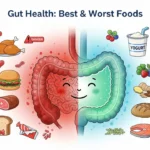
When fresh food is hard to get, people make practical choices. They buy what is available nearby. In many low-access areas, that means processed foods with long shelf lives. These foods are engineered to last and to taste appealing, but they tend to be lower in fiber and higher in added sugar, sodium, and refined grains.
Diet quality tracks closely with food access. Studies have found that people in low-access areas consume fewer fruits and vegetables and more sugary drinks and fast food. This pattern is consistent across different regions and populations. The relationship holds even after accounting for income and education, which suggests the food environment itself matters — not just personal choices.
There is also a timing issue. People who shop infrequently because of distance often buy whatever will not spoil quickly. Fresh produce may go bad before the next shopping trip. This pushes people toward canned, frozen, or processed alternatives. Frozen vegetables are a reasonable option, but canned items often contain added sodium, and processed convenience foods rarely match the nutritional profile of fresh whole foods.



What Health Conditions Are Linked To Poor Food Access?
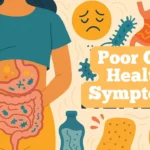
The health consequences of poor food access show up across multiple systems. Type 2 diabetes is one of the most clearly linked conditions. Diets high in refined carbohydrates and added sugars — common in low-access areas — increase insulin resistance over time. Some research suggests that improving food access could meaningfully reduce diabetes rates, though the exact effect size varies by study.
Cardiovascular disease is another major concern. High sodium intake from processed foods raises blood pressure. Low potassium intake from inadequate fruits and vegetables makes the problem worse. Over years, this combination contributes to hypertension, stroke, and heart attacks. The mechanism is well established in physiology, and population data supports the connection.
Obesity is also more common in areas with poor food access. This is not simply about calorie intake. It is about the type of calories available. Ultra-processed foods are designed to be hyper-palatable, which can lead to overeating. When these foods are the most accessible option, maintaining a healthy weight becomes harder regardless of willpower.
Mental health may also be affected. Some studies suggest a link between poor diet quality and higher rates of depression and anxiety. This research is less definitive than the physical health data, but the connection is biologically plausible. Nutrient deficiencies and blood sugar swings can affect mood and energy levels.
Who Is Most Affected By Limited Food Access?
Low-income households face the greatest barriers. When money is tight, food budgets shrink first. Fresh produce is often more expensive per calorie than processed foods, which makes it a luxury some families cannot afford. This is not about poor decision-making — it is about real economic constraints.
Racial and ethnic minorities are disproportionately affected. This reflects historical patterns of neighborhood investment and disinvestment, not inherent differences in food preferences. Redlining policies from the mid-20th century shaped where supermarkets located and where they refused to go. Those patterns persist today in many cities.
Older adults face unique challenges. Mobility limitations can make walking to a store difficult. Driving may no longer be an option. Online grocery delivery helps some, but not all seniors are comfortable with technology or can afford delivery fees. Homebound individuals are particularly vulnerable to poor food access.
People with disabilities also face barriers. Stores that are not physically accessible, websites that are hard to navigate, and transportation systems that do not accommodate mobility devices all limit food access. These barriers are often overlooked in food access discussions but are very real for affected individuals.
What Are The Economic Costs Of Poor Food Access?
Poor food access carries costs beyond individual health. Healthcare spending increases when chronic diseases are poorly managed. Diabetes care, heart procedures, and obesity-related treatments are expensive. Some of these costs are avoidable with better nutrition, which makes food access a financial issue as well as a medical one.
There are also productivity costs. People with poorly managed chronic conditions miss more workdays. They may be less productive when they are at work. This affects personal income and broader economic output. The costs ripple through families and communities.
Food waste is another overlooked cost. People who cannot shop frequently may buy more than they can use before spoilage. Or they may avoid fresh food entirely because they cannot use it in time. Both patterns waste money. Frozen and shelf-stable alternatives help, but they are not perfect substitutes for fresh produce.
What Solutions Are Being Tried To Improve Food Access?
Community gardens are one approach. They provide fresh produce in neighborhoods without grocery stores. They also build social connections and teach gardening skills. However, gardens alone cannot meet the full food needs of a community. They work best as one part of a larger strategy.
Farmers markets that accept SNAP benefits and WIC vouchers help bridge the gap. Some programs match SNAP dollars, effectively giving low-income shoppers more buying power for fresh produce. These programs have shown promise in increasing fruit and vegetable consumption among participants.
Mobile markets and food delivery services are newer approaches. A truck that brings fresh produce to a neighborhood on a regular schedule can serve areas without permanent grocery stores. Online delivery with SNAP acceptance is also expanding. These options help people who have transportation barriers, though they do not solve the affordability problem entirely.
Corner store initiatives work with existing small stores to stock healthier items. Store owners receive support to add refrigeration and display space for fresh produce. Some studies show these programs increase healthy food purchases, but the effects are modest. Changing what a store stocks does not automatically change what people buy.
No single solution fixes food access. The problem has multiple causes — distance, cost, transportation, store quality, and personal circumstances. Effective approaches combine several strategies tailored to a specific neighborhood’s needs.
How Can Individuals Cope With Limited Food Access?
Frozen and canned vegetables are practical alternatives when fresh produce is hard to find. Frozen vegetables retain most of their nutrients because they are processed quickly after harvest. Canned options are fine if you choose low-sodium versions and rinse them before use. These are not inferior choices — they are reasonable ways to maintain vegetable intake without daily access to fresh produce.
Beans and lentils are inexpensive, shelf-stable, and nutrient-dense. They provide protein, fiber, and several vitamins and minerals. They are a practical staple for people with limited food access. Dried beans cost less than canned and have no added sodium, but they require planning to soak and cook.
Community resources exist in many areas. Food pantries and food banks provide free groceries. Some now emphasize nutritious options rather than just shelf-stable staples. Calling 211 or checking local health department websites can help you find resources near you. These services are designed to help — using them is a reasonable step, not a sign of failure.
Frequently Asked Questions
What is the difference between food insecurity and food access?
Food insecurity means not having reliable access to enough affordable, nutritious food. Food access is the broader term that includes proximity to stores, cost, transportation, and food quality.
How far is too far from a grocery store?
The USDA defines food deserts as areas more than 1 mile from a supermarket in urban settings and more than 10 miles in rural areas. These distances are guidelines, not absolute thresholds for health risk.
Can poor food access cause health problems even if you are not hungry?
Yes. Poor food access often means relying on processed foods high in salt, sugar, and unhealthy fats. Over time, this diet pattern raises the risk of diabetes, high blood pressure, and heart disease even when calorie intake is adequate.
Does improving food access actually improve health?
Evidence shows that adding a grocery store to a neighborhood increases fresh food purchases, but health outcome changes take longer to appear. Some studies show modest improvements in diet quality, while health improvements require sustained access over years.
