
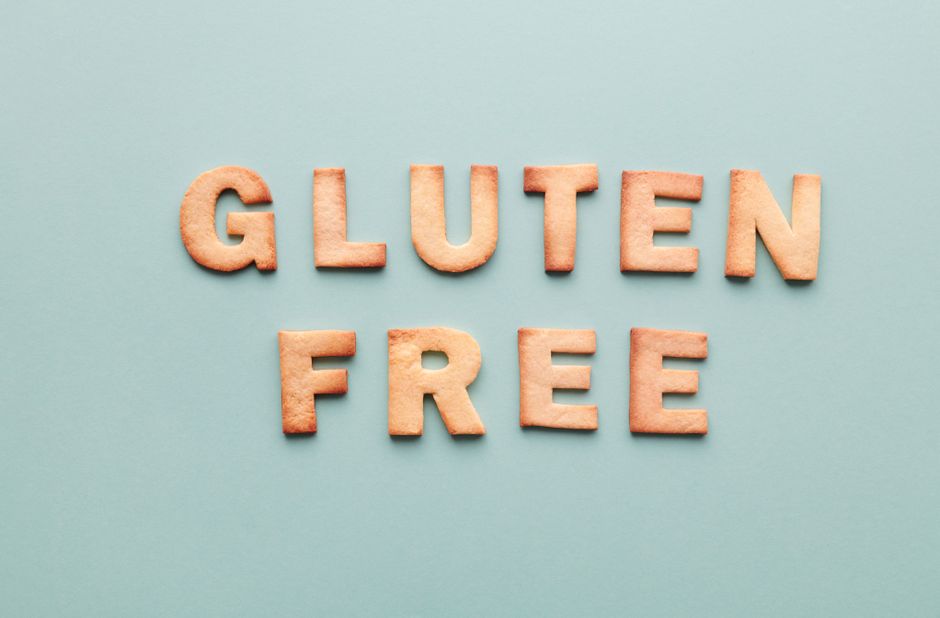
Gluten-free food is any food or drink that does not contain gluten, a protein found naturally in wheat, barley, rye, and triticale. For most people, gluten is harmless. For people with celiac disease, it triggers an immune reaction that damages the small intestine. Others avoid it because of a wheat allergy or a condition called non-celiac gluten sensitivity, where symptoms improve when gluten is removed from the diet. Understanding what gluten-free actually means matters because the label is regulated, the health claims are often overstated, and the people who truly need it are not the same as those who simply feel better without it.
What Is Gluten-Free Food?
Gluten-free food is food that contains no gluten ingredients and has been handled to avoid cross-contact with gluten during growing, processing, or preparation.
Gluten itself is a storage protein complex. In wheat, the two main components are gliadins and glutenins. Barley and rye contain related proteins called hordeins and secalins. These proteins are what give wheat dough its stretch and chew. They are also the proteins that trigger reactions in susceptible people.
In the United States, the term “gluten-free” on a food label is not a marketing choice. It is a regulated claim. Under rules set by the Food and Drug Administration, a food labeled gluten-free must contain less than 20 parts per million of gluten. That same threshold applies to the phrases “no gluten,” “free of gluten,” and “without gluten.”
Twenty parts per million is not zero. It is the level that current scientific evidence indicates is low enough to be safe for most people with celiac disease. That distinction matters. A product can be labeled gluten-free and still contain trace amounts.
Which Foods Naturally Contain Gluten?
Gluten comes from a small group of grains. Wheat, barley, and rye are the main sources. Triticale, a hybrid of wheat and rye, also contains it.
Wheat appears in far more places than most people expect. It shows up in bread, pasta, and baked goods, but also in soy sauce, some salad dressings, soups, and processed meats. Barley is common in malt, beer, and some flavorings. Rye is found in certain breads and cereals.
Some grains are naturally gluten-free and are safe for people who must avoid it:
- Rice
- Corn
- Quinoa
- Buckwheat
- Millet
- Sorghum
- Teff
- Oats, when labeled gluten-free
Oats deserve a note. Oats do not contain gluten in the same way wheat does. But they are often grown near wheat or processed on shared equipment, so cross-contact is common. Oats labeled gluten-free are grown and processed to avoid that contact. Some people with celiac disease still react to a protein in oats called avenin, though this appears to affect a minority.
Who Actually Needs to Eat Gluten-Free?
Three groups have a clear medical reason to avoid gluten.
The first is people with celiac disease. This is an autoimmune condition. When someone with celiac disease eats gluten, their immune system attacks the lining of the small intestine. Over time, this damage interferes with nutrient absorption. Celiac disease affects roughly 1 in 100 people worldwide, according to estimates from major health organizations. Many cases go undiagnosed.
The second group is people with a wheat allergy. This is a different condition. It involves an allergic response, not an autoimmune one. Symptoms can include hives, trouble breathing, or digestive upset. Some people with wheat allergy react to other proteins in wheat, not just gluten, so the two conditions are not interchangeable.
The third group is people with non-celiac gluten sensitivity. This is a real but less well-defined condition. People report symptoms like bloating, fatigue, and brain fog that improve when they stop eating gluten. There is no accepted diagnostic test for it. Researchers are still working to understand what causes it and how common it is. Some evidence suggests that other components of wheat, not gluten itself, may be responsible for symptoms in some of these people.
For everyone else, there is no established medical need to avoid gluten.


Is a Gluten-Free Diet Healthier?
No. For people without celiac disease, wheat allergy, or gluten sensitivity, a gluten-free diet has not been shown to provide health benefits.
This is one of the most persistent myths in nutrition. Gluten-free products are often perceived as healthier, but the label says nothing about nutritional quality. In fact, many processed gluten-free foods are made with refined flours and starches that are lower in fiber and some vitamins than their wheat-based counterparts.
Research has found that many people who follow a gluten-free diet without a medical reason do so based on a belief that it reduces inflammation or aids weight loss. Neither claim is supported by strong evidence.
There is also a practical concern. A gluten-free diet can be lower in fiber, iron, and certain B vitamins if it is not planned carefully. People with celiac disease often work with a dietitian to make sure they get enough of these nutrients.
How Do You Know If a Food Is Gluten-Free?
Reading labels is the most reliable method, but it requires knowing what to look for.
A gluten-free claim on the package is the clearest signal. In the US, that claim is backed by the FDA rule requiring less than 20 parts per million. Products that carry it have been made to meet that standard.
Ingredients to watch for include:
- Wheat, including varieties like spelt, farro, and durum
- Barley and malt
- Rye
- Triticale
- Brewer’s yeast, which may be grown on gluten-containing grains
Some ingredients are ambiguous. Modified food starch can be made from wheat or from corn. Natural flavorings may or may not contain gluten. In these cases, the safest approach is to check with the manufacturer or choose a product that carries a gluten-free label.
Cross-contact is another concern. A food that is naturally gluten-free can become contaminated if it is prepared on shared surfaces or fried in shared oil. For people with celiac disease, even small amounts can cause harm.
What Happens If Someone With Celiac Disease Eats Gluten?
The reaction damages the small intestine, even when symptoms are not obvious.
The small intestine is lined with finger-like projections called villi. They absorb nutrients from food. In celiac disease, gluten triggers an immune response that flattens these villi over time. This makes it harder for the body to absorb iron, calcium, folate, and other nutrients.
Symptoms vary widely. Some people have diarrhea, bloating, and weight loss. Others have no digestive symptoms at all and instead notice fatigue, anemia, or bone problems. Some people have no symptoms whatsoever, which is part of why the condition is often missed.
The only treatment is a strict, lifelong gluten-free diet. There are no medications approved to treat celiac disease. Following the diet allows the intestine to heal, but healing takes time and varies from person to person. Some people feel better within weeks. For others, it can take months or longer.
Even small amounts of gluten can cause damage, which is why the 20 parts per million threshold matters and why cross-contact is a genuine concern rather than an overreaction.
Does Gluten-Free Mean the Same Thing Everywhere?
No. Standards differ by country.
The United States, the European Union, and many other regions use 20 parts per million as the threshold for a gluten-free claim. Some countries also have a separate “very low gluten” category for products between 20 and 100 parts per million, which is not the same as gluten-free.
These differences matter for people who travel or buy imported products. A food that is labeled gluten-free in one country may not meet the same standard in another.
For most people, the practical takeaway is simple. If you have celiac disease or another condition that requires avoiding gluten, look for products that carry a gluten-free label from a trusted regulatory framework, and be cautious with foods that are naturally gluten-free but may have been cross-contaminated.
Frequently Asked Questions
What does gluten-free food mean?
Gluten-free food contains no gluten ingredients and has been made to avoid cross-contact with wheat, barley, or rye. In the US, a gluten-free label means the food contains less than 20 parts per million of gluten.
Is gluten-free the same as healthy?
No. A gluten-free label says nothing about nutritional quality, and many processed gluten-free products are lower in fiber and certain vitamins than their wheat-based versions. There is no established health benefit to avoiding gluten unless you have a medical reason.
Which grains contain gluten?
Wheat, barley, rye, and triticale contain gluten. Rice, corn, quinoa, buckwheat, millet, sorghum, and teff are naturally gluten-free, and oats are safe when labeled gluten-free.
Can you eat gluten-free food if you do not have celiac disease?
Yes, but there is no established medical need to do so. Some people with non-celiac gluten sensitivity report symptom relief, but this condition has no accepted diagnostic test and its causes are still being studied.
