
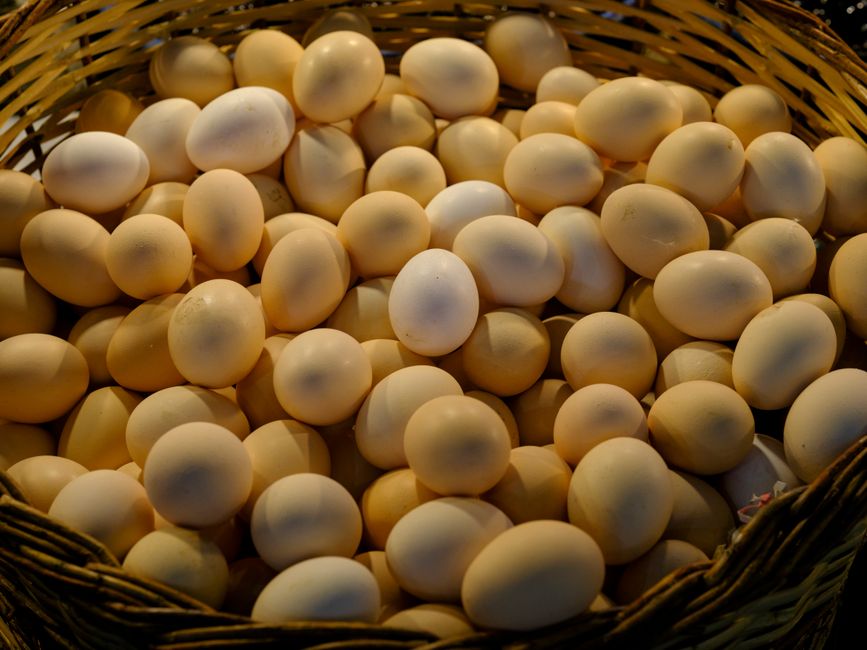
Eggs are naturally gluten free. A plain egg from a chicken contains no wheat, barley, or rye, so it is safe for people with celiac disease or gluten sensitivity. The concerns about eggs and gluten come from how eggs are prepared, what is added to them, and where they are processed. This article explains exactly when eggs are safe and when they are not.
Are Eggs Gluten Free Foods by Nature?
Yes. The white and the yolk of an egg contain no gluten. Gluten is a protein found in wheat, barley, and rye. Eggs come from animals, not grains, so they do not naturally contain gluten.
This applies to all forms of plain eggs. Whole eggs, egg whites, and egg yolks are all gluten free. Even eggs from hens fed wheat-based feed are safe. The gluten protein does not pass into the egg itself.
Most major health organizations agree on this point. People with celiac disease can eat plain eggs without concern. The United States Department of Agriculture and the Celiac Disease Foundation both list eggs as a safe gluten free food.
When Are Eggs Not Gluten Free?
Eggs become unsafe when gluten is added during cooking or processing. This is the main source of confusion for people avoiding gluten.
Scrambled eggs at a restaurant are a common problem. Many restaurants add pancake batter to scrambled eggs to make them fluffier. This is a known practice in some diners and buffet settings. The batter contains wheat flour, which makes the eggs unsafe.
Other preparation methods can also introduce gluten:
- Frying eggs in a pan that previously cooked pancakes or breaded items
- Using the same spatula or tongs for eggs and gluten-containing foods
- Adding soy sauce, which often contains wheat, to egg dishes
- Ordering egg dishes that come with toast on the same plate
- Using seasoning blends that contain flour as a filler
Egg substitutes are a separate issue. Some liquid egg products contain thickeners or starches derived from wheat. Always check the ingredient label on egg substitutes and pre-made egg dishes.
What About Egg Noodles and Egg-Based Dishes?
Egg noodles are a different food entirely. Despite the name, they contain wheat flour as the main ingredient. Egg noodles are not gluten free and are not safe for people with celiac disease.
This distinction matters because many people assume that if eggs are gluten free, anything made with eggs is also safe. That is not true. The gluten in egg noodles comes from the flour, not the eggs.
Some other dishes that combine eggs with gluten include:
- Quiche with a wheat flour crust
- Breaded and fried egg dishes
- Egg rolls
- Pasta dishes with egg-based pasta
- Baked goods like cakes and muffins that use eggs
In these cases, the eggs themselves are fine, but the other ingredients are not. Read ingredient labels carefully or ask about preparation methods when eating out.





How to Check If Eggs Are Truly Gluten Free
For whole eggs in the shell, no label check is needed. They are naturally gluten free. The label on a carton of eggs will usually state this, but it is not required because eggs do not contain gluten.
For processed egg products, the label matters. Look for these ingredients that indicate gluten:
- Wheat flour
- Modified food starch (unless specified as corn or potato)
- Hydrolyzed wheat protein
- Malt or malt flavoring
- Natural flavoring (can contain barley in some cases)
When eating out, ask specific questions. Ask if the eggs are cooked in a dedicated pan. Ask if batter is added to the eggs. Ask if the same utensils are used for gluten-containing foods. Restaurant staff may not know why you are asking, so be clear that you need to avoid gluten for medical reasons.
Cross-contamination is a real risk in commercial kitchens. Even if the eggs themselves contain no gluten, they can pick up gluten from shared surfaces, oils, or utensils. People with celiac disease should take this seriously, while people with mild sensitivity may have more flexibility.
Are Eggs Safe for People with Celiac Disease?
Yes. Plain eggs are safe for people with celiac disease. The gluten free diet includes eggs as a recommended source of protein.
Eggs are also valuable for people newly diagnosed with celiac disease. The condition often damages the small intestine, which can lead to nutrient deficiencies. Eggs provide high-quality protein, vitamin B12, and choline. These nutrients support recovery and overall health.
The only caution is the same one that applies to all foods for people with celiac disease: avoid cross-contamination. Cooking eggs at home in a clean kitchen eliminates most of this risk. Eating eggs at restaurants requires more caution and clear communication with staff.
Some people with celiac disease also have an egg allergy. This is a separate condition. An egg allergy is an immune response to egg proteins, not a gluten reaction. The two conditions can coexist but are not related. If you have celiac disease and tolerate eggs, there is no reason to avoid them.
Do Eggs Help with Gluten Free Baking?
Eggs are one of the most useful ingredients in gluten free baking. Gluten provides structure and elasticity in regular baked goods. Gluten free flours lack this property, so other ingredients must compensate.
Eggs perform several roles in gluten free baking:
- They provide structure through proteins that set when cooked
- They add moisture that prevents crumbly textures
- They help bind ingredients together
- They contribute to browning and flavor
Many gluten free recipes call for extra eggs compared to their wheat-based versions. This is not a marketing trick. The additional eggs help make up for the missing gluten structure.
For people who cannot eat eggs, gluten free baking becomes more challenging. Common egg replacements include flaxseed meal mixed with water, commercial egg replacers, applesauce, and mashed banana. Each replacement changes the texture of the final product. No single replacement works perfectly for every recipe.
What About Eggs from Different Farming Methods?
Farming methods do not affect gluten content. Conventional eggs, free-range eggs, organic eggs, and pasture-raised eggs are all gluten free.
Hens are often fed grains, including wheat. Some people worry that this affects the eggs. It does not. The hen’s digestive system breaks down the grain proteins, and the eggs that form do not contain gluten.
The only difference between farming methods is nutritional content and cost. Pasture-raised eggs may contain slightly higher amounts of certain nutrients like vitamin D and omega-3 fatty acids. But gluten content is not a factor in choosing between egg types.
Some egg cartons carry a gluten free label. This is voluntary certification, not a requirement. The label provides reassurance but is not necessary for plain eggs. The absence of a gluten free label does not mean the eggs contain gluten.
Common Myths About Eggs and Gluten
Several myths circulate about eggs and gluten. Here is what the evidence actually shows.
Myth: Eggs from hens fed wheat contain gluten. False. Gluten proteins are broken down during digestion in the hen and do not reach the egg.
Myth: Brown eggs are healthier than white eggs. False. Shell color is determined by the breed of hen and has no relation to nutrition or gluten content.
Myth: Egg whites are safer than whole eggs for people with celiac disease. False. Both parts of the egg are gluten free. Egg whites are lower in fat and calories, but this has nothing to do with gluten.
Myth: All egg products in a carton are gluten free. False. Some liquid egg products and egg substitutes contain additives with gluten. Check labels on processed egg items.
Myth: You cannot eat eggs at a restaurant if you have celiac disease. False. You can, but you must ask about preparation. The eggs themselves are safe. The risk comes from shared cooking surfaces and added ingredients.
Practical Tips for Including Eggs in a Gluten Free Diet
Eggs are affordable, versatile, and nutritious. They fit easily into a gluten free lifestyle with a few simple practices.
At home, keep a dedicated gluten free cooking area if you share a kitchen with people who eat gluten. Use separate pans, utensils, and cutting boards for your food. This reduces the risk of accidental contamination.
When buying processed egg products, read every label. Even products that seem simple can contain unexpected ingredients. When in doubt, choose whole eggs in the shell instead.
For meal planning, eggs work well for breakfast, lunch, and dinner. Hard-boiled eggs make a portable snack. Frittatas and omelets use up leftover vegetables and meats. Egg salad on gluten free bread is a satisfying lunch option.
Eggs are also budget friendly compared to many other protein sources. This makes them a practical choice for people who need to follow a gluten free diet long term.
Frequently Asked Questions
Are eggs gluten free?
Yes, plain eggs are naturally gluten free. Gluten is only present in wheat, barley, and rye, not in eggs.
Can I eat scrambled eggs at a restaurant on a gluten free diet?
Only if you confirm the restaurant does not add pancake batter or flour to the eggs. Some restaurants do this to make eggs fluffier, so always ask.
Are egg noodles gluten free?
No, egg noodles contain wheat flour and are not gluten free. The eggs in the noodles do not make them safe.
Do eggs contain gluten if the hens ate wheat?
No, gluten does not pass into eggs. The hen’s digestive system breaks down the grain proteins before eggs are formed.
