
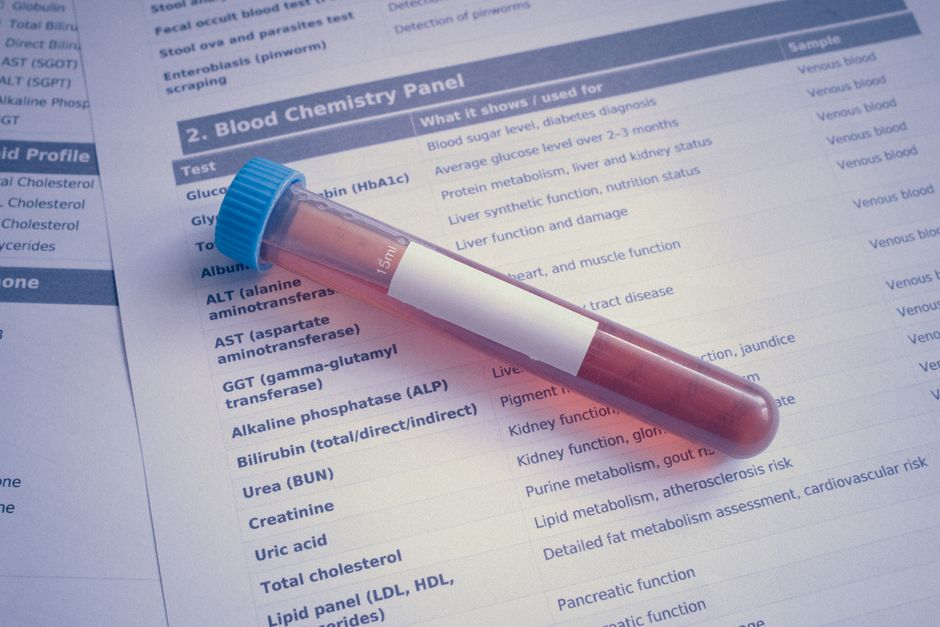
A complete blood count, or CBC, is one of the most common blood tests ordered by doctors. It measures the different types of cells floating in your blood, including red blood cells, platelets, and five types of white blood cells. Basophils are the least common white blood cell. A relative basophil count tells you what percentage of your total white blood cells are basophils. It is a standard part of the CBC that helps doctors identify inflammation, allergic reactions, and certain rare blood disorders.
What Is A Relative Basophil Count On A Blood Test?
The relative basophil count is a percentage. It shows how many basophils you have compared to all of your white blood cells. If your relative basophil count is 1%, that means 1 out of every 100 white blood cells is a basophil.
This is different from an absolute basophil count, which measures the actual number of basophils in a specific volume of blood. Labs usually report both. The relative count is useful for spotting shifts in your white blood cell population. The absolute count is often more accurate for diagnosing serious conditions. Doctors typically look at both numbers together.
Basophils are made in the bone marrow and released into the bloodstream. They are part of your immune system. They play a major role in allergic responses and help your body fight parasites. They also release histamine, a chemical that causes inflammation.
What Is a Normal Relative Basophil Count?
Basophils normally make up a very small portion of your white blood cells. In healthy adults, the normal range is typically 0% to 2% of total white blood cells. Some labs use a slightly different range, usually up to 1% or 1.5%. The normal range depends on the specific laboratory analyzing your blood and the equipment they use.
Your lab report will list the reference range next to your result. This range is specific to that lab. Always compare your result to the range printed on your report rather than a generic number you find online.
A relative basophil count within the normal range is generally not a cause for concern. Even a count slightly above the normal range often needs context. Doctors rarely make a diagnosis based on basophil percentage alone. They look at the entire blood panel, your symptoms, and your medical history.
What Causes a High Relative Basophil Count?
A high basophil count is called basophilia. When the relative count is elevated, it means basophils make up a larger percentage of your white blood cells than usual. The causes range from common and temporary to rare and serious.
Allergic reactions are a frequent cause. Conditions like asthma, hay fever, and food allergies can raise basophil levels. When your body encounters an allergen, basophils release histamine and other chemicals. This response can increase their numbers in the blood.
Infections can also trigger basophilia. Parasitic infections are a well-established cause. Some bacterial and viral infections may also raise basophil levels, though this is less common. The increase usually resolves once the infection clears.
Inflammatory conditions such as ulcerative colitis and rheumatoid arthritis have been linked to elevated basophils. These conditions cause chronic inflammation, which can stimulate the bone marrow to produce more white blood cells, including basophils.
Certain medications can cause basophilia. Drugs that affect the thyroid, estrogen-containing medications, and some antidepressants have been associated with higher basophil counts. If you take any regular medications, tell your doctor before interpreting the results.
Rare blood disorders are the most serious cause. Chronic myeloid leukemia, or CML, is a cancer of the blood and bone marrow that often causes high basophil counts. Myeloproliferative disorders, where the bone marrow produces too many cells, can also raise basophil levels. These conditions are uncommon, but they are the reason doctors take a persistently high basophil count seriously.
One important note: a single high reading does not mean you have a blood disorder. Many temporary factors can influence the count. Your doctor will likely repeat the test before investigating further.





What Does a Low Relative Basophil Count Mean?
A low relative basophil count is rarely a concern. Since the normal range starts at 0%, a low count often just means your basophils are at the lower end of normal. Many healthy people have very few basophils in their blood at any given time.
Basophils can also appear low when other white blood cells are elevated. Because the relative count is a percentage, an increase in neutrophils or lymphocytes can make the basophil percentage look smaller. This is a mathematical effect, not a true drop in basophil numbers.
There is no specific disease caused by having too few basophils. The body does not appear to require a minimum number of basophils to function normally. Low basophil counts are generally not treated or investigated further unless other blood test results are also abnormal.
Why Would a Doctor Order This Test?
The basophil count is not usually ordered on its own. It comes as part of a complete blood count with differential, often called a CBC with diff. This test is routine and used for many reasons, including annual physicals, monitoring chronic conditions, and investigating symptoms.
A CBC with diff is commonly ordered when a patient has unexplained symptoms. Fatigue, fever, weight loss, or signs of infection might prompt this test. The differential breaks down each type of white blood cell, giving the doctor a clearer picture of what is happening.
The test is also used to monitor existing conditions. People with allergies, asthma, or autoimmune diseases may have regular CBCs to track their disease activity. Patients undergoing treatment for cancer or blood disorders get frequent CBCs to monitor their bone marrow function.
Certain medications require regular blood monitoring. Drugs that suppress the immune system or affect bone marrow can change blood cell counts. Your doctor may order a CBC with diff before starting such medications and periodically during treatment.
How Should You Interpret Your Results?
Do not try to diagnose yourself from a single lab value. The relative basophil count is one small piece of a much larger picture. Your doctor interprets it alongside your absolute basophil count, other white blood cell counts, red blood cell counts, and platelet counts.
Ask your doctor these questions if your basophil count is abnormal:
- Is my absolute basophil count also abnormal?
- Are my other white blood cell counts normal?
- Do I have any symptoms that might explain this result?
- Should I repeat the test or have additional testing?
If your basophil count is high and no obvious cause is found, your doctor may recommend a repeat test. A single elevated reading can be temporary. If the elevation persists, more testing may be needed. This could include a blood smear, where a pathologist examines your blood cells under a microscope, or a bone marrow biopsy in rare cases.
If the cause is an allergy or infection, treating the underlying condition usually brings the basophil count back to normal. If a medication is responsible, your doctor might adjust the dose or switch to a different drug. If a blood disorder is suspected, you will be referred to a hematologist, a doctor who specializes in blood diseases.
Frequently Asked Questions
Is a relative basophil count of 2% dangerous?
No, a 2% relative basophil count is at the upper edge of the normal range and is not dangerous by itself.
Your doctor will interpret it in context with your other blood counts and symptoms.
What is the difference between absolute and relative basophil count?
The absolute count is the actual number of basophils in a volume of blood, while the relative count is the percentage of basophils among total white blood cells.
Doctors generally consider the absolute count more reliable for diagnosing conditions.
Can stress raise your basophil count?
Some research suggests stress may influence white blood cell counts, but it is not a well-established direct cause of basophilia.
Infections, allergies, and inflammatory conditions are more commonly linked to elevated basophils.
Do I need treatment for a low basophil count?
No treatment is needed for a low basophil count because it is not associated with any specific disease.
Low basophils are generally considered harmless and rarely investigated on their own.
