
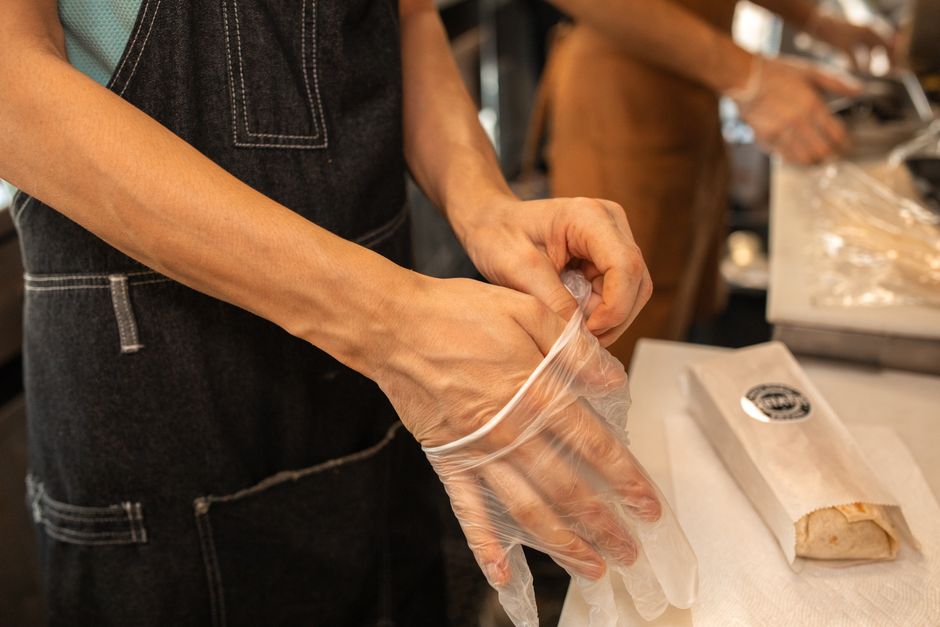
Food handling core practices are the basic, proven steps that keep food safe from the moment it is prepared until it is eaten. These practices focus on four main actions: cleaning hands and surfaces often, separating raw meats from other foods, cooking food to the right temperature, and chilling food quickly. Following these steps prevents the growth of harmful bacteria that cause food poisoning, which affects roughly 1 in 6 Americans every year according to the Centers for Disease Control and Prevention.
What Are the Four Core Practices of Food Handling?
The four core practices are clean, separate, cook, and chill. These form the foundation of food safety education in the United States and are taught by public health agencies nationwide.
Clean means washing hands with soap and water for at least 20 seconds before handling food and after touching raw meat, using the bathroom, or handling pets. It also means washing cutting boards, dishes, and countertops with hot soapy water after each use.
Separate means keeping raw meat, poultry, seafood, and eggs away from ready-to-eat foods. Juices from raw meat can carry bacteria like Salmonella and E. coli. These juices can contaminate foods that will not be cooked, such as salads or fruit.
Cook means heating food to an internal temperature high enough to kill harmful bacteria. Using a food thermometer is the only reliable way to know food is safe. Color and texture are not dependable indicators of safety.
Chill means refrigerating perishable foods promptly. Bacteria multiply fastest between 40°F and 140°F, a range known as the danger zone. Cold temperatures slow bacterial growth, keeping food safe longer.
Why Does Proper Food Handling Matter?
Improper food handling is a leading cause of foodborne illness. The CDC estimates that 48 million people get sick from foodborne diseases each year in the United States. Of those, 128,000 are hospitalized and 3,000 die.
The most common causes of foodborne illness are norovirus, Salmonella, Clostridium perfringens, and Campylobacter. These pathogens cause symptoms like vomiting, diarrhea, abdominal pain, and fever. For most healthy adults, symptoms pass within a few days. For young children, pregnant women, older adults, and people with weakened immune systems, foodborne illness can be severe or even life-threatening.
Food handling mistakes happen in home kitchens more often than people realize. Research shows that many home cooks do not wash their hands long enough, do not use thermometers, and leave perishable food out longer than two hours. These are fixable habits, not complicated skills.
How Long Can Food Stay in the Danger Zone?
Perishable food should not sit at room temperature for more than two hours. If the room temperature is above 90°F, such as at a picnic or in a hot car, that time drops to one hour.
Within the danger zone of 40°F to 140°F, bacteria can double in number in as little as 20 minutes. That means a single bacterium can become millions within a few hours. This rapid growth is why the two-hour rule exists.
When in doubt, throw it out. If you do not know how long food has been sitting out, the safest choice is to discard it. The cost of wasted food is far lower than the cost of a hospital visit.





What Are the Correct Cooking Temperatures for Different Foods?
Using a food thermometer is the only accurate way to know food is safely cooked. Insert the thermometer into the thickest part of the food, avoiding bone, fat, and gristle.
| Food | Safe Minimum Internal Temperature |
|---|---|
| Beef, pork, lamb (steaks, chops, roasts) | 145°F, then rest 3 minutes |
| Ground meats (beef, pork, lamb) | 160°F |
| Poultry (chicken, turkey, whole or ground) | 165°F |
| Fish with fins | 145°F or until flesh is opaque |
| Eggs | 160°F |
| Leftovers and casseroles | 165°F |
| Ham (fresh or smoked) | 145°F, then rest 3 minutes |
These temperatures are established by the USDA and are based on the heat required to kill pathogens known to cause foodborne illness. Cooking to these temperatures does not guarantee the absence of all bacteria, but it reduces pathogen levels to a safe threshold.
How Should You Store and Reheat Leftovers Safely?
Refrigerate leftovers within two hours of cooking. Divide large amounts of food into shallow containers so they cool quickly. A large pot of soup can take hours to cool in the refrigerator, allowing bacteria to grow in the center. Shallow containers, about two inches deep, cool food much faster.
Leftovers are safe in the refrigerator for three to four days. After that, the risk of bacterial growth increases even at proper refrigerator temperatures. Freeze leftovers if you will not eat them within four days.
Reheat leftovers to 165°F throughout. Sauces, soups, and gravies should be brought to a rolling boil. When reheating in the microwave, cover the food and stir it midway through to eliminate cold spots where bacteria can survive.
What Are the Most Common Food Handling Mistakes?
Several mistakes appear repeatedly in home kitchens. Recognizing them is the first step to fixing them.
- Washing raw chicken. Washing raw poultry splashes bacteria around the sink and countertops. Cooking to 165°F kills the bacteria, so washing is unnecessary and increases contamination risk.
- Using the same cutting board for raw meat and vegetables. This transfers bacteria to foods that will not be cooked. Use separate boards or wash thoroughly between uses.
- Tasting food to check if it is still good. You cannot taste, smell, or see most harmful bacteria. Spoilage bacteria cause odor and sliminess, but pathogenic bacteria usually do not change the look or taste of food.
- Thawing food on the counter. The outer layers of the food warm into the danger zone while the center is still frozen. Thaw in the refrigerator, in cold water, or in the microwave.
- Not knowing your refrigerator temperature. Your refrigerator should be at or below 40°F. Many home refrigerators run warmer than this. Use an appliance thermometer to verify.
What Is Food Handling Core Practices Explained for Special Populations?
Some groups face higher risks from foodborne illness and need to be especially careful. Pregnant women should avoid raw or undercooked meat, unpasteurized dairy products, and deli meats unless heated until steaming. These foods can carry Listeria, a bacterium that can cross the placenta and cause miscarriage or severe illness in newborns.
Older adults and people with weakened immune systems should follow the same core practices but with extra vigilance. They should avoid raw sprouts, unpasteurized juices, and undercooked eggs. Symptoms of foodborne illness can become severe quickly in these groups, so medical attention should be sought sooner rather than later.
Parents should know that children under five have immune systems that are still developing. They are more likely to experience severe dehydration from foodborne illness. Extra care with handwashing and proper cooking temperatures is essential when cooking for young children.
Frequently Asked Questions
What is the two-hour rule for food safety?
Perishable food should not sit at room temperature for more than two hours. If the temperature is above 90°F, discard food after one hour.
Is it safe to wash raw chicken before cooking?
No. Washing raw chicken splashes bacteria around your kitchen and does not remove pathogens. Cooking chicken to 165°F is the only safe way to eliminate harmful bacteria.
How long are leftovers safe in the refrigerator?
Leftovers are safe for three to four days when stored in shallow containers at 40°F or below. Freeze leftovers if you will not eat them within that time.
Do I really need a food thermometer?
Yes. Color and texture do not reliably indicate that food is safely cooked. A food thermometer is the only accurate way to confirm food has reached a temperature that kills harmful bacteria.
