
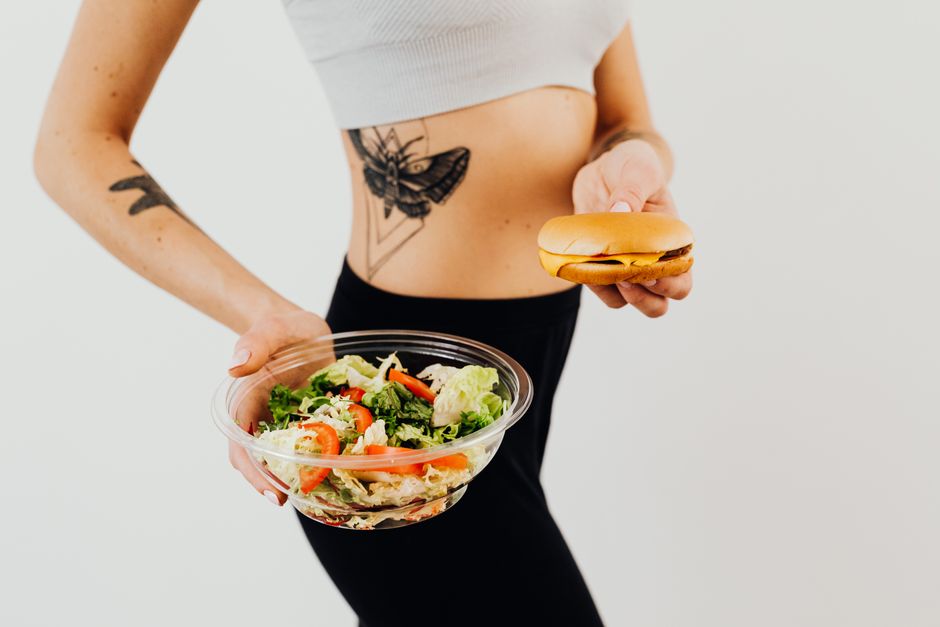
Processed food is any food that has been changed from its natural state. That change can be as simple as washing, chopping, or freezing a vegetable. It can also mean adding salt, sugar, preservatives, or artificial colors. The term covers a huge range of products, from bagged salad to frozen pizza. Understanding the difference between types of processing matters more than avoiding the word entirely.
What Counts as Processed Food?
Almost everything you eat has been processed in some way. Even an apple picked from a tree has been washed and sorted before it reaches the store. The food industry uses a classification system to help people understand these differences. It divides foods into four groups based on how much they have been altered.
Group one is unprocessed or minimally processed foods. These include fresh fruits, vegetables, raw nuts, and eggs. Group two includes processed culinary ingredients like oils, butter, sugar, and salt. Group three is processed foods that combine groups one and two. Canned vegetables, cheese, and freshly baked bread fit here. Group four is ultra-processed foods. These are industrial formulations with ingredients you would not typically find in a home kitchen.
The distinction between groups three and four is the most useful one for your health. A jar of tomato sauce with tomatoes, olive oil, and basil is processed. A jar with added sugar, modified corn starch, and artificial flavor is ultra-processed. Both are processed foods, but they are not equal.
What Is Ultra-Processed Food?
Ultra-processed foods are the ones most research links to poor health outcomes. These products typically contain ingredients you would not use when cooking at home. Common examples include high-fructose corn syrup, hydrogenated oils, protein isolates, and artificial colors or preservatives. They also often contain additives that improve texture or extend shelf life.
Examples of ultra-processed foods include sugary breakfast cereals, soda, packaged cookies, chicken nuggets, instant noodles, and frozen dinners. These foods are designed to be hyper-palatable. That means they are engineered to taste good and be easy to eat quickly. They are also typically high in added sugar, refined carbohydrates, and unhealthy fats while being low in fiber and protein.
Research consistently shows that diets high in ultra-processed foods are associated with higher rates of obesity, type 2 diabetes, and cardiovascular disease. A notable clinical trial published in the journal Cell Metabolism found that people ate more calories when offered an ultra-processed diet compared to an unprocessed diet, even when both diets had the same calories, sugar, fat, and fiber. This suggests something about the processing itself affects appetite regulation.
Is All Processing Bad?
No. Some processing is necessary and even beneficial. Pasteurization kills harmful bacteria in milk and juice. Freezing preserves nutrients in vegetables that would otherwise spoil. Canning makes beans and fish available year-round. These processes make food safer and more accessible.
Minimally processed foods retain most of their nutritional value. Frozen spinach has similar nutrient content to fresh spinach. Canned beans are a convenient source of plant protein and fiber. The key is to look at what is added during processing. A can of beans with just water and salt is different from a can of beans with added sugar, flavorings, and preservatives.
The health concern is not processing itself. It is the degree of processing and the quality of ingredients added. Washing and bagging lettuce is harmless. Turning corn into a sweetener and adding it to a soft drink is a different matter entirely.




How Can You Tell If a Food Is Ultra-Processed?
Reading the ingredient list is the most reliable method. Ultra-processed foods typically have long lists of ingredients. They often contain items you would not find in your kitchen pantry. Look for things like maltodextrin, soy lecithin, carrageenan, and artificial sweeteners. These are markers of industrial formulation.
A useful rule is the five-ingredient test. If a product has more than five ingredients, ask yourself why. Not all long ingredient lists are bad. Whole grain bread has many ingredients. But if the list includes unrecognizable chemical names, the product is likely ultra-processed.
Another clue is the nutrition label. Ultra-processed foods tend to be high in sodium, added sugars, and saturated fat. They also tend to be low in fiber and protein. A food that provides little nutritional value relative to its calories is a poor choice regardless of how it is labeled.
Be cautious with marketing claims. Terms like “natural” and “organic” do not mean a food is minimally processed. Organic soda is still soda. Natural chicken nuggets are still ultra-processed. The ingredient list and nutrition panel are more reliable than front-of-package labels.
What Are the Health Effects of Eating Processed Foods?
The health effects depend on the type and amount of processing. Eating canned vegetables or frozen fruit is not linked to adverse health outcomes. In fact, these foods can help people eat more produce. The concern is specifically with ultra-processed foods.
Several large observational studies have found links between ultra-processed food consumption and negative health outcomes. These include weight gain, high blood pressure, and metabolic syndrome. Some studies also suggest a connection to depression and anxiety, though the mechanisms are not fully understood.
The reasons for these associations are not entirely clear. Ultra-processed foods are often energy-dense and low in nutrients. They also tend to be digested quickly, causing rapid spikes in blood sugar. Some researchers believe additives and emulsifiers may affect gut bacteria. Others point to the hyper-palatable nature of these foods leading to overeating.
It is important to note that most of this evidence is observational. That means it shows a link, not proof of cause. However, the clinical trial mentioned earlier provides stronger evidence. In that study, people ate about 500 more calories per day on the ultra-processed diet. This is a significant difference that could explain weight gain over time.
Do You Need to Eliminate Processed Foods Completely?
No. Complete elimination is neither necessary nor realistic for most people. The goal is to shift your diet toward less processed options most of the time. This approach is more sustainable than trying to avoid all processed foods.
Focus on building meals around whole foods. Vegetables, fruits, whole grains, legumes, nuts, and lean proteins should form the base of your diet. These foods provide the fiber, vitamins, and minerals your body needs. They also tend to be more filling for the calories they provide.
This does not mean you can never eat a frozen pizza or a packaged snack. It means these foods should be occasional rather than daily. The evidence suggests that the proportion of ultra-processed food in your diet matters. Diets where ultra-processed foods make up a small share are associated with better health outcomes.
Practical strategies include cooking more meals at home, choosing whole grain versions of bread and pasta, and keeping convenient whole-food snacks like fruit and nuts on hand. These small changes can meaningfully reduce your ultra-processed food intake without requiring a complete overhaul of your eating habits.
What About Processed Meats?
Processed meats deserve special attention. This category includes bacon, sausage, hot dogs, ham, and deli meats. These products are processed through curing, smoking, or salting to preserve them and enhance flavor. They are classified as processed foods and are a major source of sodium and saturated fat in many diets.
The World Health Organization’s International Agency for Research on Cancer classifies processed meat as a Group 1 carcinogen. This classification means there is strong evidence that consuming processed meat increases the risk of colorectal cancer. It is important to understand that this does not mean eating a hot dog will give you cancer. The risk increases with the amount consumed over time.
This is one area where the evidence is strong enough to warrant a specific recommendation. Limiting processed meat consumption is prudent. Replacing processed meats with fresh poultry, fish, beans, or eggs is a simple way to reduce your risk without feeling deprived.
Is There a Simple Way to Think About This?
Think about how much a food has been changed from its original form. A potato is minimally processed. Boiled potatoes are still minimally processed. Frozen french fries are processed. Deep-fried french fries from a fast-food restaurant are ultra-processed. Each step adds something that makes the food less like its original state.
Use the 80/20 approach if you need a simple guideline. Aim to get about 80 percent of your calories from minimally processed and whole foods. The remaining 20 percent can come from processed foods, including some ultra-processed options. This balance is realistic and supported by the general direction of the evidence.
Your overall dietary pattern matters more than any single food. Someone who eats a diet rich in vegetables, fruits, and whole grains can tolerate occasional processed foods. Someone whose diet is mostly ultra-processed foods is at higher risk regardless of what else they eat. Focus on the balance of your overall diet rather than obsessing over individual items.
Frequently Asked Questions
Is frozen fruit considered processed food?
Yes, but it is minimally processed and retains most of its nutrients. Freezing is a preservation method that does not add ingredients or significantly change nutritional value.
Are canned vegetables healthy?
Canned vegetables are processed but can be a healthy choice, especially when fresh options are not available. Choose varieties without added salt or sugar, and rinse them before eating to reduce sodium.
What ingredients indicate ultra-processed food?
Look for ingredients you would not find in a home kitchen, such as high-fructose corn syrup, hydrogenated oils, maltodextrin, and artificial colors or sweeteners. Long ingredient lists with unrecognizable names are a common sign.
Can I eat processed foods and still be healthy?
Yes, the key is proportion and frequency. A diet based mostly on whole and minimally processed foods can include occasional processed items without significant health consequences.
