
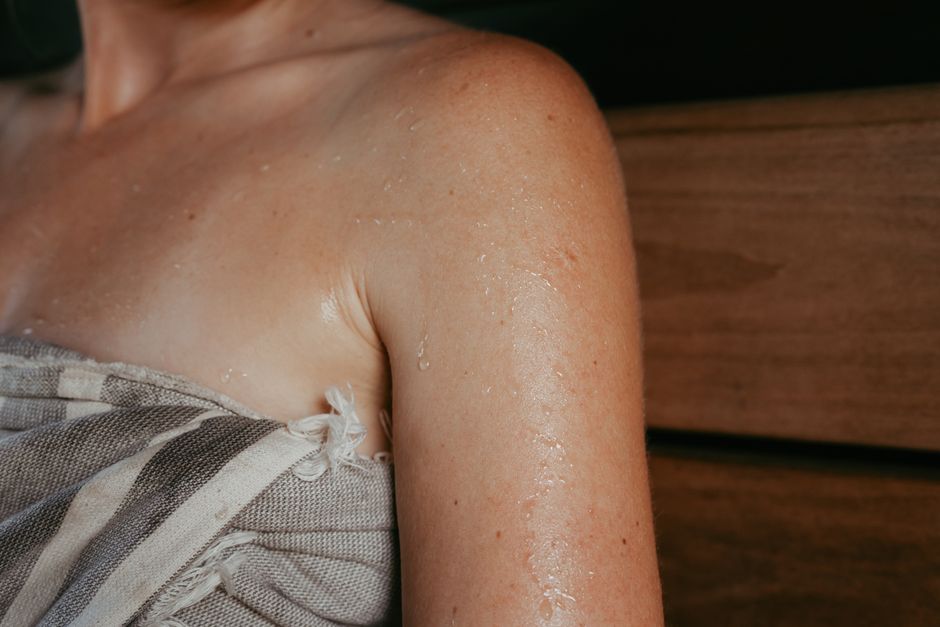
Waking up drenched in sweat is startling, but it is also common. Night sweats are episodes of heavy sweating during sleep that soak your clothes and sheets. They are not the same as sleeping in a room that is too warm. True night sweats happen even when your sleep environment is cool and comfortable.
For most people, the cause is simple and temporary. Hormone changes, certain medications, or an infection can trigger them. For a smaller number of people, night sweats point to a more serious underlying condition. The key is knowing when to brush it off and when to call your doctor.
What Causes Night Sweats in Adults?
Your body regulates temperature through the hypothalamus, a small region in the brain. During sleep, your core temperature naturally drops slightly. When something disrupts this process, your body may overreact and produce excess sweat to cool down.
Hormones are the most common trigger. Estrogen and testosterone both influence the hypothalamus. When these levels fluctuate or drop, the brain misreads the body’s temperature. It signals “too hot” even when you are not. This is why menopause and perimenopause are leading causes of night sweats in women.
Men can experience the same effect. Low testosterone, sometimes called andropause, can cause hot flashes and night sweats. This is less discussed but well documented in medical literature.
Medications are another frequent cause. Antidepressants, particularly SSRIs, are known to cause sweating in up to 20 percent of people who take them. Other drugs linked to night sweats include:
- Hormone therapy medications
- Certain blood pressure drugs
- Some diabetes medications
- Steroids
If you started a new medication recently and night sweats began, the timing may be more than coincidence. Talk to your prescriber. Do not stop any prescription medication on your own.
Why Do You Wake Up Sweating: Infections and Illness
Infections are a common cause, especially in younger adults. Your immune system raises your body temperature to fight off pathogens. This is a fever. When the fever breaks, you sweat profusely. If this happens while you sleep, you wake up soaked.
Tuberculosis has a well-known association with night sweats. So do bacterial infections like endocarditis, an infection of the heart valves, and osteomyelitis, a bone infection. These are serious but less common.
Viral infections can also cause night sweats. HIV is famously linked to them, particularly in the early stages of infection. However, routine viral illnesses like the flu or a bad cold can produce the same effect for a night or two.
The pattern matters. A single night of heavy sweating during a respiratory illness is not concerning. Night sweats that persist for weeks without other symptoms deserve attention.
Blood Sugar Changes and Night Sweats
Low blood sugar, or hypoglycemia, can trigger night sweats. This is most relevant for people with diabetes who take insulin or certain oral medications. When blood sugar drops during sleep, the body releases adrenaline. Adrenaline causes sweating, rapid heartbeat, and sometimes nightmares.
This is a medical emergency for people on insulin. If you have diabetes and wake up sweating with confusion, shakiness, or a rapid pulse, check your blood sugar immediately. Treat it per your diabetes care plan.
Some research suggests that eating a high-sugar meal close to bedtime may cause a rebound effect. Blood sugar spikes and then crashes during the night. The evidence for this in people without diabetes is not strong. If you are not diabetic, low blood sugar is an unlikely cause of persistent night sweats.




Sleep Disorders That Cause Sweating
Obstructive sleep apnea is a condition where breathing repeatedly stops and starts during sleep. Each pause triggers a stress response. Your body releases cortisol and adrenaline to restart breathing. These stress hormones can cause sweating.
Some studies indicate that up to a third of people with sleep apnea report night sweats. Treating the apnea, often with a CPAP machine, frequently resolves the sweating. Other signs of sleep apnea include loud snoring, gasping during sleep, and daytime fatigue.
Sleep terrors and nightmares can also cause sweating. These are more common in children but occur in adults too. The sweat is a response to the intense fear and arousal, not a temperature problem.
Cancer and Night Sweats: What the Evidence Shows
Night sweats are a classic symptom of lymphoma, a cancer of the lymphatic system. They are also associated with leukemia. This connection creates anxiety for many people who experience night sweats.
The reality is that cancer is a rare cause of night sweats. Most people with night sweats do not have cancer. However, the symptom is real and should not be dismissed.
Lymphoma night sweats are typically described as “drenching.” They soak through clothing and bedding. They often occur alongside other symptoms like unexplained weight loss, persistent fatigue, fever, and swollen lymph nodes.
If you have drenching night sweats plus any of these other symptoms, see a doctor. If you have only night sweats with no other symptoms, the probability of cancer is very low. Your doctor can still run basic blood tests to check.
Other Medical Conditions Linked to Night Sweats
An overactive thyroid, or hyperthyroidism, increases your metabolic rate. This raises your core body temperature and can cause sweating day and night. Other symptoms include weight loss despite normal eating, rapid heart rate, anxiety, and heat intolerance.
Autoimmune conditions can also cause night sweats. Rheumatoid arthritis and lupus are the most commonly mentioned. The inflammation they cause can disrupt temperature regulation.
Neurological conditions are a less common cause. Autonomic neuropathy, which damages the nerves that control sweating, can produce abnormal sweating patterns. This is more common in people with long-standing diabetes.
Gastroesophageal reflux disease, or GERD, has been reported by some patients as a trigger. The mechanism is not fully understood. Some researchers believe the acid irritation stimulates a nerve reflex that causes sweating.
When to See a Doctor About Night Sweats
Occasional night sweats from a warm bedroom or a vivid dream are normal. Persistent night sweats are not. See a doctor if you experience any of the following:
- Night sweats that occur regularly for more than a few weeks
- Sweating so heavy you need to change clothes or sheets
- Unexplained weight loss
- Persistent fever
- Swollen lymph nodes
- Chronic cough or chest pain
Your doctor will take a detailed history. Expect questions about your medications, alcohol use, sleep habits, and any other symptoms. Blood tests are common. They may check your thyroid function, blood sugar, and complete blood count.
Be honest about alcohol and drug use. Alcohol withdrawal can cause severe sweating at night. So can opioid withdrawal. These are common causes that people often omit from their history.
How to Manage Night Sweats at Home
If your doctor has ruled out serious causes, you can manage symptoms at home. Keep your bedroom cool. Use breathable cotton sheets and pajamas. A fan or air conditioner can help.
Consider a moisture-wicking mattress protector. It protects your mattress and makes cleanup easier. Some people find that a cool pack on the nightstand helps them get back to sleep after an episode.
Avoid triggers before bed. Spicy foods, caffeine, and alcohol can all raise body temperature or dilate blood vessels. Alcohol specifically interferes with temperature regulation and can worsen night sweats.
If you are in perimenopause or menopause, talk to your doctor about hormone therapy. Estrogen therapy is highly effective for hot flashes and night sweats. It is not right for everyone, and the decision should be made with your doctor based on your personal risk factors.
For medication-induced sweating, your doctor may adjust the dose or switch you to an alternative. This is common with antidepressants. Several alternative medications have a lower risk of sweating.
Mind-body approaches like cognitive behavioral therapy have some evidence for reducing hot flash intensity. The evidence is modest but real. Some women find these techniques helpful when hormone therapy is not an option.
Frequently Asked Questions
Are night sweats a sign of pregnancy?
Yes, hormone changes in early pregnancy can cause night sweats. This is usually temporary and resolves as the body adjusts.
Can anxiety cause night sweats?
Yes, anxiety activates the stress response, which can trigger sweating during sleep. This is more common in people with chronic anxiety or panic disorder.
What is the difference between night sweats and overheating?
Overheating happens because your room is too warm or you have too many blankets. Night sweats occur in a cool environment and are caused by an internal trigger like hormones or infection.
Should I worry about night sweats if I have no other symptoms?
Usually not. Isolated night sweats without fever, weight loss, or pain are rarely a sign of serious illness. If they persist for more than a few weeks, mention them at your next checkup.
