
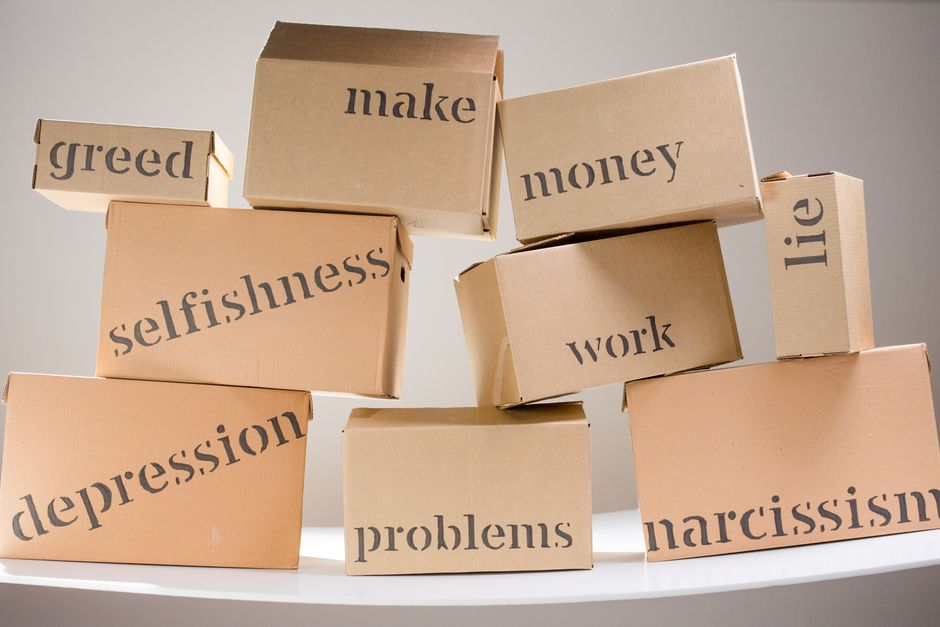
Emotional blackmail is a form of psychological manipulation where someone uses your fears, sense of obligation, or guilt to get what they want. Unlike healthy conflict or clear requests, emotional blackmail involves a hidden threat: if you do not give in, you will face consequences like anger, withdrawal, or disappointment. It is a pattern of behavior, not a single argument, and it can happen in romantic relationships, families, friendships, and even workplaces.
The term was popularized by psychologist Susan Forward in her 1997 book of the same name. The core dynamic is simple: one person pressures another using a “FOG” of Fear, Obligation, and Guilt. The person being manipulated often feels trapped, unsure if they are being unreasonable, and exhausted from constantly managing the other person’s emotions.
What Does Emotional Blackmail Look Like?
Emotional blackmail follows a recognizable pattern. It rarely appears out of nowhere. It builds over time as the blackmailer learns which buttons to push.
There are three main types of threats used in this dynamic. The first is the threat of anger. The blackmailer may yell, slam doors, or give the silent treatment until you comply. The second is the threat of guilt. They may say things like “After everything I’ve done for you” or “If you really loved me, you would do this.” The third is the threat of suffering. The blackmailer may imply they will become depressed, ill, or self-destructive if you refuse them.
Some emotional blackmail is more subtle. A parent may express deep disappointment in a way that makes an adult child change a major life decision. A partner may withhold affection or become cold for days after a disagreement. A friend may constantly bring up past favors to pressure you into new ones. The common thread is that your needs and boundaries become secondary to the blackmailer’s demands.
Why Do People Use Emotional Blackmail?
People resort to emotional blackmail for different reasons. Some do it deliberately, viewing it as an effective way to get what they want. Others do it unconsciously, having learned this communication style in their own childhoods.
At its root, emotional blackmail is often driven by insecurity and a fear of loss. The blackmailer feels anxious about losing control, status, or the relationship itself. Instead of asking directly for reassurance or compromise, they use manipulation to force a specific outcome. This creates a false sense of security because the compliance they get is not genuine — it is coerced.
It is important to distinguish between occasional reactive behavior and a consistent pattern. Nearly everyone has said something guilt-inducing in the heat of an argument. Emotional blackmail becomes a problem when it is a repeated strategy used to control another person’s choices and behavior. When it is the default way of resolving conflict, it damages trust and intimacy.
What Are the Signs You Are Being Emotionally Blackmailed?
Recognizing emotional blackmail is the first step toward addressing it. The manipulation can be so gradual that you may not notice it until the pattern is well established.
Common signs include feeling anxious before making decisions that might disappoint the other person. You may find yourself constantly checking their mood before speaking. You might agree to things you do not want to do simply to avoid a difficult conversation or a negative reaction.
Another clear sign is that you frequently question your own judgment. The blackmailer may reframe situations so often that you start to believe you are the problem. This is sometimes called “gaslighting” — a related but distinct pattern where someone makes you doubt your own perception of reality. Emotional blackmail focuses on getting compliance; gaslighting focuses on destabilizing your sense of truth.
Other warning signs include feeling guilty even when you have done nothing wrong, dreading time spent with that person, and noticing that your boundaries are repeatedly ignored or dismissed. If you consistently feel drained, resentful, or afraid after interacting with someone, that is worth taking seriously.





How Does Emotional Blackmail Affect Your Health?
Chronic emotional manipulation is not just unpleasant — it can have real health consequences. The constant stress of navigating a manipulative relationship activates the body’s stress response system repeatedly.
This ongoing stress is linked to anxiety, depression, and sleep problems. Research on relationship quality consistently shows that hostile or controlling relationships are associated with worse mental health outcomes. Some studies also suggest that chronic relationship stress can contribute to physical health issues like high blood pressure and weakened immune function over time.
The health impact is often worse because emotional blackmail is isolating. Victims may withdraw from friends and family who might offer a different perspective. They may feel ashamed or embarrassed about the situation. This isolation removes the social support that helps people cope with stress, making the effects more severe.
What Can You Do If You Are Being Emotionally Blackmailed?
Addressing emotional blackmail requires a shift in how you respond. The blackmailer’s power depends on your reaction. When you change your response, the dynamic changes.
The first step is to recognize the pattern and name it. Identifying the behavior as emotional blackmail helps you stop internalizing the guilt and start seeing the situation clearly. Naming it to yourself is a form of validation that your feelings are legitimate.
The next step is to create distance between the demand and your response. Instead of reacting immediately, say something like “I need time to think about this.” This breaks the pressure cycle and gives you space to decide what you actually want, rather than what the blackmailer is pushing you to do.
When you do respond, use clear and calm language. State your position without over-explaining or apologizing excessively. For example: “I understand you want this, but I am not able to do it.” The blackmailer may escalate their tactics when they see the old approach is not working. This escalation is a test of your new boundary.
Setting boundaries is essential, but it is also important to be realistic. If the pattern is deeply ingrained, changing it may not be possible without professional help. Couples therapy or individual therapy can help both parties understand their patterns and develop healthier ways of communicating.
When Should You Consider Leaving the Relationship?
Not all emotional blackmail is grounds for ending a relationship. Some people are willing to work on their behavior when it is pointed out to them. Others are not.
Consider leaving if the emotional blackmail is part of a broader pattern of abuse, threats, or physical intimidation. Emotional blackmail that escalates to threats of harm — to you, to the blackmailer, or to others — is a serious safety concern. In those cases, the priority is your physical safety, not repairing the relationship.
Also consider leaving if the blackmailer refuses to acknowledge the behavior or seek help. A relationship can only be healthy if both people are willing to take responsibility for their actions. If your attempts to talk about the pattern are met with denial, blame-shifting, or further manipulation, change is unlikely.
It is also worth evaluating whether the relationship is more draining than fulfilling. If the emotional blackmail is constant and leaves you feeling depleted most of the time, that is a significant quality-of-life issue. You are not required to stay in a relationship that harms your well-being, even if the other person is not intentionally malicious.
Can Emotional Blackmail Be Stopped?
Yes, but it requires effort from both people. The blackmailer must recognize the behavior and want to change. The person being manipulated must stop rewarding the behavior with compliance.
When you stop giving in, the blackmailer may initially react with stronger threats, more guilt, or increased anger. This is a predictable response — they are losing a strategy that worked. If they are capable of change, this period of discomfort can lead to healthier communication. If they are not, the escalation confirms that the relationship may not be safe or sustainable.
Professional help can be valuable in this process. A therapist can help you identify patterns you may not see clearly on your own. They can also provide support as you practice new ways of responding. For the blackmailer, therapy can help uncover the fears and insecurities driving their behavior.
It is also worth noting that emotional blackmail does not only happen between romantic partners. It happens between parents and children, siblings, friends, and colleagues. The same principles apply in all these settings: name the behavior, set boundaries, and change your response.
Frequently Asked Questions
Is emotional blackmail a form of abuse?
Emotional blackmail can be a form of emotional abuse, especially when it is a consistent pattern used to control and intimidate. Not every instance is abusive, but repeated manipulation that erodes your self-worth or autonomy crosses into abuse territory.
How do you respond to emotional blackmail?
Respond by recognizing the behavior, refusing to react immediately, and stating your position calmly without over-explaining. Do not argue about the blackmailer’s accusations — instead, focus on what you are and are not willing to do.
Can someone who uses emotional blackmail change?
Yes, if they are willing to acknowledge the behavior and genuinely work on it, often with professional help. Change requires them to develop healthier ways of managing their fears and asking for what they need directly.
What is the difference between emotional blackmail and setting boundaries?
Setting boundaries is stating your own limits clearly and respectfully, without trying to control the other person’s behavior. Emotional blackmail involves manipulating someone through fear, guilt, or obligation to force them to comply with your demands.
