
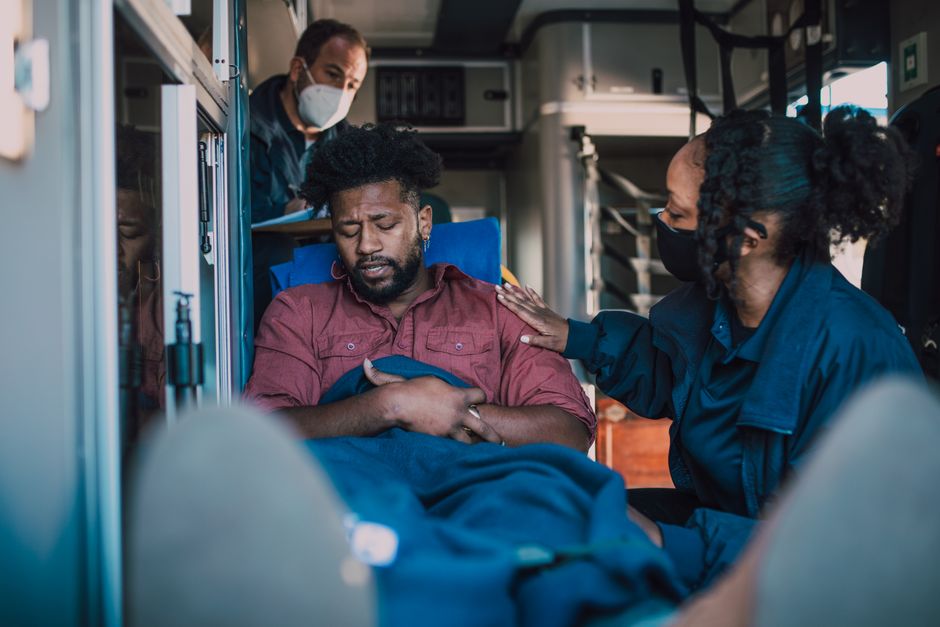
Acute trauma is a distressing event that happens suddenly and poses a real or perceived threat to a person’s life or safety. It can be a single incident, like a car crash, an assault, or a natural disaster, that triggers intense emotional and physical reactions. Understanding the symptoms, common triggers, and available treatments is the first step toward recovery and regaining a sense of control.
What Is Acute Trauma Symptoms Triggers And Treatment?
Acute trauma refers to the psychological and physiological response to a single, overwhelming event. This is different from chronic trauma, which involves repeated or prolonged exposure to distressing situations, such as ongoing abuse or living in a war zone. The symptoms of acute trauma are normal reactions to an abnormal event, and for most people, they begin to fade within a few days to a few weeks. When these symptoms persist for more than a month, the condition may be diagnosed as Post-Traumatic Stress Disorder (PTSD).
What Are the Common Symptoms of Acute Trauma?
The symptoms of acute trauma can be divided into four main categories: emotional, physical, cognitive, and behavioral. These reactions are the body’s way of trying to process and cope with a shock to the system. It is important to remember that everyone responds differently, and you may experience symptoms from one or all of these categories.
Emotional symptoms often include intense fear, helplessness, horror, anxiety, and a profound sense of sadness or grief. Many people also report feeling numb or detached from their surroundings, as if the event is not real. Irritability and anger are also common as the nervous system remains on high alert.
Physical symptoms are driven by the body’s “fight-or-flight” response. This can manifest as a racing heartbeat, rapid breathing, sweating, trembling, and muscle tension. You might experience fatigue, dizziness, or difficulty sleeping. Gastrointestinal issues like nausea or stomach pain are also frequent complaints after a traumatic event.
Cognitive symptoms often involve intrusive thoughts or flashbacks of the event. You may find it difficult to concentrate, have memory problems, or feel confused. A common experience is a sense of disorientation or feeling like time is moving strangely.
Behavioral symptoms include avoiding people, places, or activities that remind you of the event. You might withdraw from friends and family, become easily startled, or have difficulty relaxing. Some people turn to alcohol, drugs, or other distractions as a way to cope with the overwhelming feelings.
What Triggers Acute Trauma Symptoms?
A trigger is any sensory cue that reminds the brain of the original traumatic event, causing the body to re-enter a state of high alert. These triggers are highly individual and can be external or internal. The brain links certain sights, sounds, smells, or feelings with the danger of the past event, and when it encounters them again, it reacts as if the threat is happening right now.
External triggers are things in your environment. For a car accident survivor, this could be the sound of screeching tires, the sight of a specific intersection, or the smell of gasoline. For someone who experienced an assault, it might be a particular cologne, a dark alley, or a specific tone of voice. Anniversaries of the event are also powerful triggers, as are news reports or movies that depict similar incidents.
Internal triggers are feelings or sensations within your own body. A racing heart from exercise might trigger a panic response because it mimics the physical feeling of fear. Feelings of anger, sadness, or even physical pain can also act as triggers. These internal cues can be confusing because they are not always obvious, making it harder to identify what is causing the distress.
Identifying your personal triggers is a key part of recovery. A therapist can help you map out these connections and develop strategies to manage your reactions to them safely.





How Is Acute Trauma Treated?
Effective treatment for acute trauma focuses on helping the brain and body process the event and return to a state of safety. The goal is not to erase the memory but to change the way it is stored and perceived, so it no longer holds the power to disrupt your daily life. Early intervention is often beneficial, but it is never too late to seek help.
Trauma-Focused Therapy is the most evidence-based approach. Cognitive Behavioral Therapy (CBT) is a common and effective method that helps you identify and change negative thought patterns and behaviors related to the trauma. A specific type of CBT, called Prolonged Exposure (PE), involves gradually and safely confronting the memories and situations you have been avoiding in a controlled therapeutic setting. Another highly effective approach is Eye Movement Desensitization and Reprocessing (EMDR), which uses guided eye movements or other bilateral stimulation to help the brain reprocess traumatic memories.
Medication can be a helpful part of a treatment plan, particularly for managing severe symptoms like insomnia, anxiety, and depression. Selective Serotonin Reuptake Inhibitors (SSRIs) are a class of antidepressants that are often prescribed for PTSD and have been shown to be effective in reducing symptoms. Medication is most effective when combined with therapy, not used as a standalone solution. Any decision about medication should be made with a psychiatrist or other qualified medical professional.
Immediate Support is also crucial. In the days and weeks right after an event, connecting with supportive friends, family, or a crisis counselor can make a significant difference. Psychological First Aid is a supportive intervention designed to reduce initial distress and foster short-term and long-term adaptive functioning. It focuses on practical needs, safety, and connection, rather than forcing a detailed discussion of the event.
What Is the Difference Between Acute Trauma and PTSD?
The primary difference between acute trauma and PTSD is time. Acute trauma refers to the immediate and short-term stress reaction that occurs in the days and weeks following a traumatic event. For many people, these acute symptoms naturally resolve on their own as the nervous system settles down. This period of intense reaction is sometimes called Acute Stress Disorder (ASD) when symptoms last for at least three days and up to one month.
PTSD is a more chronic condition that is diagnosed when symptoms persist for more than one month and cause significant distress or impairment in social, occupational, or other important areas of functioning. While acute trauma is a reaction to an event, PTSD is a failure of the natural recovery process, where the brain gets “stuck” in a state of threat. Not everyone who experiences acute trauma will develop PTSD, but experiencing acute symptoms is a risk factor for it.
Reaching out for professional help early can prevent acute stress from developing into long-term PTSD. If your symptoms are not improving after a month, or if they are getting worse, it is important to see a mental health professional for a proper evaluation.
When Should You Seek Professional Help?
It is normal to feel shaken after a traumatic event, but there are signs that indicate you should seek professional support. If your symptoms are so intense that you cannot function at work, at home, or in your relationships, it is time to get help. If you are having thoughts of harming yourself or others, seek immediate emergency assistance.
Other signs include symptoms that last longer than a month, a worsening of symptoms over time, or an increasing reliance on alcohol or drugs to cope. Difficulty sleeping that persists, severe anxiety, or an inability to leave your house are also strong indicators that professional intervention is needed. You do not have to wait until you are in a crisis to get support. Many people find that a few sessions with a trauma-informed therapist shortly after an event can significantly reduce the risk of long-term problems.
Can You Recover From Acute Trauma?
Yes, recovery from acute trauma is not only possible but is the most common outcome. The human brain is remarkably resilient and is designed to heal from distressing experiences. With the right support, time, and evidence-based treatment, most people can process the event, manage their symptoms, and return to a full and meaningful life.
Recovery does not mean forgetting the event or being completely unchanged by it. It means that the memory becomes less painful, the triggers lose their power, and you feel more in control of your emotions and your life. Many people even report experiencing post-traumatic growth, which is a positive psychological change that can occur as a result of struggling with a highly challenging life circumstance. This can lead to a greater appreciation for life, improved relationships, and a stronger sense of personal strength.
Frequently Asked Questions
How long does acute trauma last?
Acute trauma symptoms typically last for a few days to a few weeks. If symptoms persist for more than one month, it may be diagnosed as Post-Traumatic Stress Disorder.
What is the best treatment for acute trauma?
Trauma-focused therapies like Cognitive Behavioral Therapy (CBT) and Eye Movement Desensitization and Reprocessing (EMDR) are the most effective treatments. These approaches help the brain process the traumatic memory so it no longer causes intense distress.
Can acute trauma go away on its own?
Yes, for many people, acute trauma symptoms naturally resolve without formal treatment. The body and brain often process the event on their own, especially with good social support and time to rest.
Is acute trauma the same as PTSD?
No, they are different. Acute trauma is the immediate, short-term reaction to a distressing event, while PTSD is a chronic condition diagnosed when symptoms last for more than one month and cause significant impairment.
