
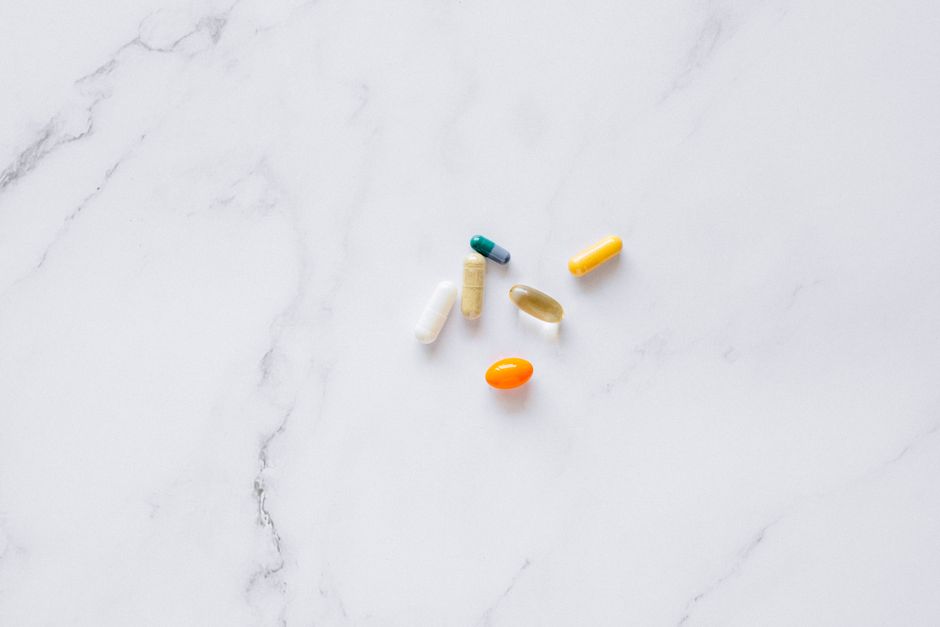
Oral GLP-1 medications cost between $900 and $1,600 per month without insurance in the United States. The exact price depends on the specific drug, the pharmacy, and whether you use a savings program. Most people with commercial insurance pay far less, often $25 to $50 per month through manufacturer copay cards.
What Are the Actual Prices of GLP-1 Pills?
Two oral GLP-1 medications are currently approved in the U.S. Both are made by Novo Nordisk. The list prices are public information.
Rybelsus (semaglutide) has a list price of about $968 for a 30-day supply. This applies across all available doses. The 3 mg, 7 mg, and 14 mg tablets all cost the same at retail.
Oral Wegovy is not yet available. Wegovy is currently only sold as an injection. Novo Nordisk has tested an oral version, but it has not been approved by the FDA as of early 2025.
These list prices are what a pharmacy charges before insurance. Very few people pay this full amount. Insurance negotiations, copay cards, and patient assistance programs bring the real cost down substantially for most patients.
Why Is the Pill So Expensive?
GLP-1 medications are complex to manufacture. The active ingredient is a peptide, a chain of amino acids that must be produced in highly controlled conditions. Oral versions add another layer of difficulty because the stomach would normally destroy the drug before it absorbs.
Rybelsus uses a special technology called SNAC (sodium N-(8-[2-hydroxybenzoyl] amino) caprylate) to help the medication absorb through the stomach lining. This delivery system is proprietary and adds to production costs.
Research and development costs are also significant. Clinical trials for these drugs involve thousands of patients over several years. Drug manufacturers price new medications to recover these costs during the patent period, which typically lasts 10 to 15 years after approval.
There is also the demand factor. GLP-1 drugs are among the most prescribed medications in the country. High demand with limited competition keeps prices elevated.
How Much Does the GLP-1 Pill Cost With Insurance?
Insurance coverage varies widely by plan. Some plans cover oral GLP-1 medications for type 2 diabetes, which is the FDA-approved use for Rybelsus. Coverage for weight loss specifically is less common.
With commercial insurance, typical copays range from $25 to $75 per month. Some patients report copays as low as $10. Others face coinsurance, which means they pay a percentage of the drug’s cost. This can be several hundred dollars per month.
Novo Nordisk offers a savings card for Rybelsus. Eligible patients with commercial insurance can pay as little as $10 per month for up to 24 months. The card does not apply to patients with Medicare, Medicaid, or other government-funded insurance.
For patients without insurance, Novo Nordisk has a patient assistance program. Qualification depends on income. Eligible patients may receive the medication free of charge or at a reduced price.




How Much Does the GLP-1 Pill Cost Without Insurance?
Without insurance, the full list price applies. Expect to pay around $968 per month for Rybelsus at most retail pharmacies.
Some pharmacies offer discount programs. GoodRx and similar services can reduce the price to roughly $800 to $900 per month. These discounts are rarely dramatic because the manufacturer controls the wholesale price.
Online pharmacies and telehealth companies sometimes advertise lower prices. Be cautious with these offers. Some are legitimate, but others sell compounded versions that are not FDA-approved. Compounded semaglutide pills are not the same as Rybelsus and have not undergone the same safety and effectiveness testing.
No generic version of Rybelsus exists. The patent protection for semaglutide extends well into the 2030s. That means no meaningful price drop is expected in the near term.
Is the Injection Cheaper Than the Pill?
Injectable semaglutide (Ozempic) has a similar list price to the pill. Ozempic costs about $936 per month before insurance. The pricing is nearly identical because the drug substance is the same.
For weight loss, Wegovy injection has a list price of about $1,350 per month. This is higher than Rybelsus because the dose is larger.
The pill and injection are not interchangeable in dosing. Rybelsus has lower maximum doses than injectable forms. Your doctor would need to decide which form suits your treatment goals.
Some patients prefer the pill to avoid needles. Others find daily dosing harder to remember than a weekly injection. Cost is similar, so the choice usually comes down to preference and coverage.
What About Compounded GLP-1 Pills?
Compounded semaglutide is widely advertised online. Prices range from $150 to $400 per month. These products are not FDA-approved.
Compounding pharmacies can legally make copies of FDA-approved drugs when the drug is in shortage. The FDA has listed semaglutide on its shortage list, which allows compounding under certain conditions. However, the agency has warned that some products sold as semaglutide contain different salt forms that have not been proven safe or effective.
The bigger concern is dosing accuracy. Oral semaglutide is difficult to compound correctly because of the absorption technology. A compounded version may not absorb the same way as Rybelsus. This means you could get too much or too little active drug.
Some compounded products are actually semaglutide sodium, not the same semaglutide base used in Rybelsus. The FDA has stated these are different drugs with no established safety profile. Avoid these products unless your doctor specifically prescribes them and explains the risks.
Does Insurance Cover the GLP-1 Pill for Weight Loss?
Most insurance plans do not cover GLP-1 medications for weight loss alone. This applies to both pills and injections.
Rybelsus is approved for type 2 diabetes, not weight loss. If you have diabetes, coverage is more likely. If you do not have diabetes and want the drug for weight management, expect to pay out of pocket.
Some employers add weight loss medication coverage as a benefit. This is becoming more common but is still not standard. Check your plan documents or call your insurance company to confirm what your plan covers.
Medicare does not cover GLP-1 medications for weight loss. Medicare Part D covers them for diabetes. Medicaid coverage varies by state.
Are There Cheaper Alternatives?
Older GLP-1 medications are less expensive. Exenatide (Byetta) and liraglutide (Victoza) have been on the market longer and may have lower list prices. Liraglutide injection costs about $600 to $800 per month, depending on the pharmacy.
Dulaglutide (Trulicity) is another injectable option with a list price near $900 per month. None of these are dramatically cheaper than Rybelsus.
Lifestyle interventions remain the most cost-effective approach for weight management. Structured diet programs, exercise, and behavioral counseling cost less than any GLP-1 medication. They also do not require lifelong use to maintain results.
Some people stop GLP-1 medications after reaching their goal weight. Studies show that weight tends to return when the drug is stopped. This means the medication may be needed long-term, which increases the total cost significantly.
Frequently Asked Questions
How much does Rybelsus cost per month?
Rybelsus has a list price of about $968 per month without insurance. With commercial insurance and a manufacturer savings card, most patients pay $10 to $50 per month.
Is the GLP-1 pill covered by Medicare?
Medicare Part D covers oral GLP-1 medications when prescribed for type 2 diabetes. Medicare does not cover these drugs for weight loss.
Can I get the GLP-1 pill without a prescription?
No. Rybelsus is a prescription medication that requires a doctor’s evaluation. Online services that sell it without a proper prescription are operating outside FDA guidelines.
Will the GLP-1 pill get cheaper in the future?
No generic version is expected until the patent expires in the 2030s. Prices may shift with insurance policy changes, but significant price drops are unlikely in the near term.
