
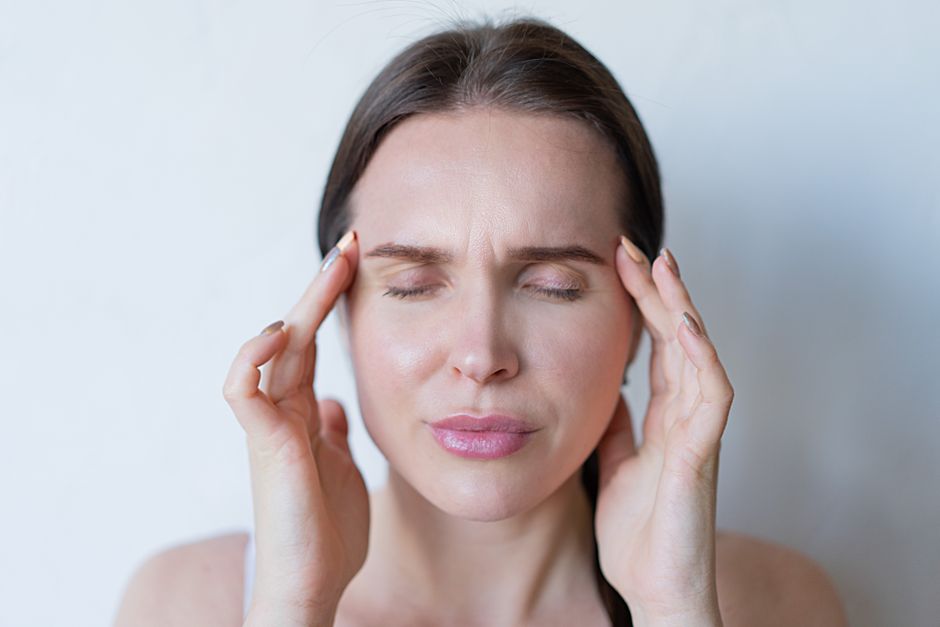
Dopamine deficiency is a brain state where your levels of the neurotransmitter dopamine are lower than what your brain needs for healthy function. It is not a formal medical diagnosis on its own, but rather a term used to describe a range of symptoms linked to low dopamine activity. Symptoms often include fatigue, low motivation, brain fog, and mood changes, while causes range from Parkinson’s disease to certain medications and lifestyle factors. Treatment depends entirely on the underlying cause and may involve medication, therapy, or lifestyle adjustments.
What Is Dopamine Deficiency Symptoms Causes Treatment?
Dopamine is a chemical messenger in the brain that helps control movement, motivation, reward, and focus. When dopamine signaling is impaired, the brain cannot send these messages effectively. This can happen because the brain produces less dopamine, because dopamine receptors are damaged, or because the dopamine that is released is cleared away too quickly.
Low dopamine activity is most strongly linked to Parkinson’s disease, where dopamine-producing cells in a specific brain region die off. Outside of Parkinson’s, the concept of “dopamine deficiency” is less clear-cut. Many symptoms people attribute to low dopamine — like fatigue or poor concentration — can also come from stress, poor sleep, or other medical conditions. That overlap makes self-diagnosis unreliable and professional evaluation important.
What Are the Symptoms of Low Dopamine?
Symptoms of low dopamine vary depending on which brain pathways are affected. Motor symptoms appear when dopamine loss is severe, as in Parkinson’s disease. Non-motor symptoms can appear earlier or in milder forms of dopamine dysfunction.
Common symptoms include:
- Fatigue that does not improve with rest
- Loss of motivation or interest in activities
- Brain fog or difficulty concentrating
- Depressed mood or feelings of hopelessness
- Trouble sleeping or changes in sleep patterns
- Constipation and other digestive issues
- Muscle stiffness, tremors, or slow movement
- Reduced sex drive
These symptoms alone do not confirm dopamine deficiency. Many conditions produce identical symptoms, including thyroid disorders, vitamin B12 deficiency, depression, and chronic sleep deprivation. A doctor must rule out these other causes before attributing symptoms to dopamine.
What Causes Dopamine Deficiency?
The causes of low dopamine fall into several categories. The most well-understood is the degeneration of dopamine-producing neurons in the substantia nigra, the brain region most affected in Parkinson’s disease. Why these cells die is not fully known, but genetics and environmental factors both appear to play a role.
Other causes include:
- Medications that block dopamine receptors, such as some antipsychotics
- Drugs that deplete dopamine stores, including long-term stimulant misuse
- Genetic conditions that affect dopamine production, like phenylketonuria
- Brain injuries that damage dopamine pathways
- Chronic stress, which can alter dopamine signaling over time
- Poor sleep, which reduces dopamine receptor sensitivity
Dietary factors are often discussed but are less direct. Dopamine is made from the amino acid tyrosine, which comes from protein-rich foods. However, eating more protein does not reliably raise brain dopamine levels in healthy people. The brain tightly regulates dopamine production, and dietary changes rarely move the needle for someone with true deficiency.





How Is Dopamine Deficiency Diagnosed?
There is no simple blood test that measures brain dopamine levels. Dopamine acts within the brain, and peripheral blood levels do not reflect brain activity. This makes diagnosis a clinical process based on symptoms, medical history, and neurological examination.
For Parkinson’s disease, a doctor may order a DaTscan, an imaging test that shows whether dopamine transporters are functioning in the brain. This test can help distinguish Parkinson’s from other movement disorders, but it is not used for general “dopamine deficiency” screening.
For people without movement symptoms, doctors typically evaluate for other conditions first. Blood tests check thyroid function, vitamin levels, and metabolic health. Mental health screening assesses for depression or anxiety, which can mimic dopamine deficiency. Only after excluding these conditions might a doctor consider dopamine-related dysfunction.
What Are the Treatment Options?
Treatment depends on the root cause. For Parkinson’s disease, the standard approach is dopamine replacement therapy. Levodopa, the most effective medication, crosses into the brain and converts to dopamine. Dopamine agonists, which mimic dopamine’s effects, are another option. These medications improve motor symptoms but do not cure the underlying disease.
For medication-induced dopamine deficiency, the primary treatment is adjusting or changing the offending drug under medical supervision. Never stop a prescribed medication without talking to your doctor first, as some drugs require gradual tapering to avoid withdrawal or rebound effects.
For lifestyle-related dopamine issues, the evidence is less definitive but directionally positive. Regular aerobic exercise has been shown to increase dopamine receptor availability and improve mood. Adequate sleep supports dopamine receptor sensitivity. Stress reduction practices like mindfulness may help regulate dopamine signaling, though research in this area is still emerging.
Can Diet Increase Dopamine Levels?
The idea that certain foods can “boost” dopamine is popular online, but the science is more nuanced. Dopamine synthesis requires tyrosine, an amino acid found in eggs, dairy, meat, and legumes. Ensuring adequate protein intake supports the building blocks for dopamine production. However, no food directly raises brain dopamine levels in a clinically meaningful way.
Some research suggests that foods high in tyrosine, such as bananas, avocados, and almonds, may modestly support dopamine production in people who are protein-deficient. But for someone eating a normal Western diet, tyrosine deficiency is rare. The brain also has regulatory mechanisms that prevent dopamine from spiking excessively in response to diet.
One area with more robust evidence is the gut-brain connection. The gut produces a significant portion of the body’s dopamine, though this dopamine does not cross the blood-brain barrier. A healthy gut microbiome may support overall neurological function, but no specific probiotic or food has been proven to treat dopamine deficiency.
What Is the Link Between Dopamine and Depression?
Depression was once thought to be purely a serotonin problem. Research now shows that dopamine also plays a role, particularly in symptoms like loss of pleasure, low motivation, and reduced energy. This has led to the concept of “dopaminergic depression,” though it is not an official diagnostic category.
Some antidepressants, particularly bupropion, work on dopamine and norepinephrine rather than serotonin. These medications can help people whose depression features prominently include fatigue and lack of motivation. However, depression is a complex condition involving multiple neurotransmitter systems, and dopamine is only one piece of the puzzle.
It is important not to assume that all depression stems from low dopamine. Many people with depression have normal dopamine function, and treating them with dopamine-targeting drugs may not help. A psychiatrist can help determine which medication class is most appropriate based on symptom patterns.
Can You Have Too Much Dopamine?
Yes. While this article focuses on deficiency, dopamine excess is equally problematic. High dopamine activity is linked to schizophrenia, mania, and addictive behaviors. Stimulant drugs like cocaine and amphetamines flood the brain with dopamine, producing euphoria but also leading to receptor downregulation over time.
This explains why chronic stimulant use can eventually cause symptoms that look like dopamine deficiency. The brain adapts to high dopamine levels by reducing receptor density. When the drug is stopped, the brain has fewer receptors to work with, and dopamine signaling drops below baseline. This is one mechanism behind the crash that follows stimulant use.
It also explains why “dopamine detoxes” — periods of abstaining from pleasurable activities — have become popular. The theory is that reducing constant dopamine stimulation resets receptor sensitivity. Some evidence supports this concept in the context of behavioral addictions, but the term “dopamine detox” oversimplifies a complex neurochemical process. The brain does not work like a battery that needs to be drained and recharged.
When Should You See a Doctor?
See a doctor if you experience persistent fatigue, low mood, or concentration problems that interfere with daily life. These symptoms deserve evaluation regardless of whether dopamine is the cause. Early evaluation can identify treatable conditions like thyroid disease or vitamin deficiency.
Seek urgent care if you develop new movement symptoms such as tremors, stiffness, or difficulty walking. These can indicate Parkinson’s disease or other neurological conditions that benefit from early intervention. Sudden changes in movement, speech, or coordination always warrant prompt medical attention.
Do not attempt to self-treat suspected dopamine deficiency with over-the-counter supplements. Products claiming to boost dopamine are not regulated for efficacy and may contain ingredients that interact with medications. No supplement has been proven to treat clinical dopamine deficiency.
Frequently Asked Questions
Can a blood test detect dopamine deficiency?
No. Blood tests cannot measure brain dopamine levels because dopamine does not cross the blood-brain barrier in meaningful amounts. Diagnosis relies on clinical evaluation and, in some cases, brain imaging.
Is dopamine deficiency the same as Parkinson’s disease?
No. Parkinson’s disease is a specific neurological condition that involves severe dopamine cell loss, but dopamine deficiency can also result from medications, genetics, or other causes. Not everyone with low dopamine has Parkinson’s.
Can supplements raise dopamine levels?
Some supplements contain precursors like L-tyrosine, but no supplement has been proven to effectively treat clinical dopamine deficiency. The evidence for supplements improving mood or focus through dopamine pathways is limited and inconsistent.
Does exercise really help with dopamine deficiency?
Research consistently shows that aerobic exercise increases dopamine receptor availability and improves dopamine signaling. Regular physical activity is one of the most reliable non-drug approaches for supporting healthy dopamine function.
