
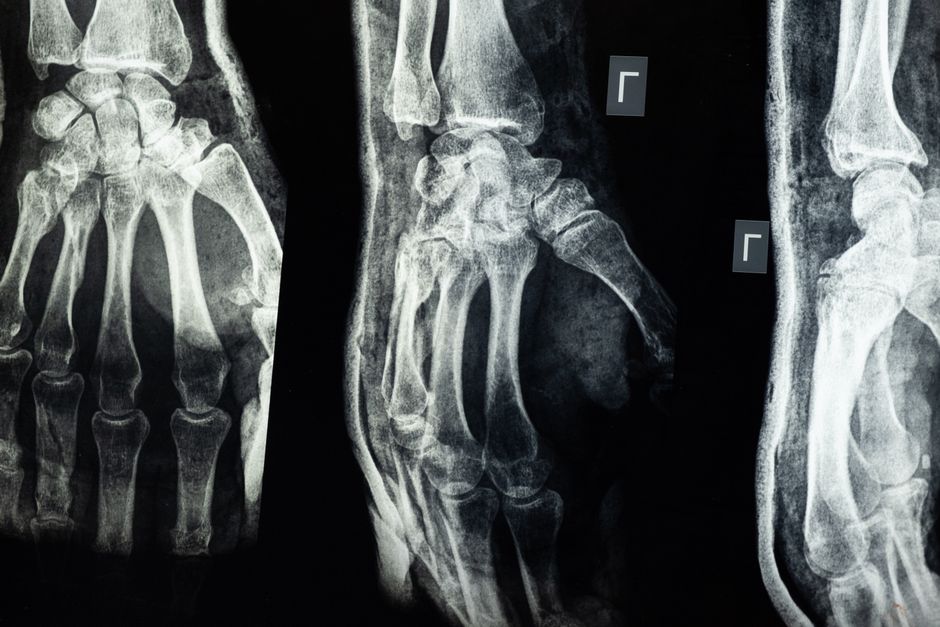
A greenstick fracture is a partial break in a bone where one side bends and the other side breaks, similar to how a fresh, green tree branch snaps. It happens almost exclusively in children because their bones are softer and more flexible than adult bones. The symptoms include pain, swelling, and sometimes a visible bend in the arm or leg, and treatment typically involves immobilizing the bone in a cast for several weeks to allow it to heal straight.
What Exactly Is a Greenstick Fracture?
A greenstick fracture is an incomplete break. The bone bends on one side and cracks on the other. It does not snap all the way through like a typical adult fracture.
This injury gets its name from the way a young, living branch behaves when you try to break it. Instead of snapping cleanly, it splinters on one side while the other side stays connected and bends. Children’s bones behave the same way because they contain more collagen, which makes them more pliable.
As people age, bones lose collagen and become harder and more brittle. That is why adults almost never get this type of fracture. An adult bone under the same force would typically break completely.
What Are the Symptoms of a Greenstick Fracture?
Pain is the most common symptom. The child will usually cry or complain immediately after the injury, especially when trying to move the affected limb.
Swelling develops around the break site. It may not be dramatic, especially in the first few hours, but it is usually noticeable.
Tenderness is present when you press on the area. The child may pull away or cry when the spot is touched.
A visible bend is sometimes present. Because the bone bends rather than breaks cleanly, the limb may look slightly curved or deformed. This is not always obvious, particularly if the fracture is in the forearm and the bend is subtle.
Bruising may appear, but it is not always present. In some cases, the only sign is that the child refuses to use the limb.
One important point: a child may not always complain of severe pain. Some greenstick fractures cause only mild discomfort, and the child may continue using the limb. If a child is favoring one arm or leg after a fall, it is worth having it checked even if they are not crying.
What Causes a Greenstick Fracture?
A greenstick fracture happens when a force bends a bone past its limit. The most common causes are falls, especially onto an outstretched hand.
Common scenarios include falling off a bike, tripping on the playground, or catching yourself with your arm during a tumble. Sports injuries are also frequent causes.
The radius and ulna, the two bones in the forearm, are the most common sites. The collarbone and lower leg are also frequently affected.
Children are more likely to get these fractures during activities that involve running, climbing, and playing. The risk is not related to weak bones. It is simply a normal consequence of how children’s bones are built.

How Is a Greenstick Fracture Diagnosed?
Diagnosis starts with a physical exam. The doctor will ask how the injury happened and examine the limb for swelling, tenderness, and deformity.
An X-ray is the standard imaging test. It will show the characteristic bend and the incomplete crack on the outer side of the bone.
In some cases, the fracture is hard to see on a standard X-ray. The doctor may compare the injured limb to the opposite side to look for subtle differences in the bone’s curve.
If the X-ray is unclear but the child has significant pain and tenderness, the doctor may treat it as a fracture anyway. This is common practice because a missed fracture can lead to improper healing.
What Is the Treatment for a Greenstick Fracture?
Treatment depends on how much the bone has bent. Mild cases need only a cast. More severe bends may need to be straightened first.
For most greenstick fractures, a cast or splint is applied to hold the bone in the correct position while it heals. The cast is usually worn for three to six weeks.
If the bend is significant, the doctor may need to manually straighten the bone. This is called a closed reduction. The child is given medication to make them comfortable, and the doctor gently bends the bone back into proper alignment. No surgery is needed for this procedure.
After the bone is straightened, a cast is applied. Another X-ray is taken to confirm the bone is in good position.
Surgery is rarely needed for greenstick fractures. It is only considered if the bone cannot be aligned properly or if the fracture is unstable.
Pain management is typically simple. Over-the-counter acetaminophen or ibuprofen is usually sufficient. The doctor will provide specific dosing instructions based on the child’s weight.
Ice packs can help reduce swelling during the first few days. Always wrap the ice in a cloth and never apply it directly to the skin.
How Long Does Healing Take?
Most greenstick fractures heal in three to six weeks. The exact time depends on the child’s age and the severity of the fracture.
Younger children heal faster than older children and teenagers. Their bones are still growing rapidly, which speeds up the repair process.
The doctor will take follow-up X-rays to confirm the bone is healing properly. Once the X-ray shows good healing, the cast is removed.
After cast removal, the limb may feel stiff and weak. This is normal. Children typically regain full use of the limb quickly, often within a few weeks.
Physical therapy is rarely needed for greenstick fractures. Children naturally return to normal activity as the stiffness resolves.
What Are the Possible Complications?
Greenstick fractures heal well in the vast majority of cases. Complications are uncommon but they do happen.
One risk is that the bone heals in a slightly bent position. This is called malunion. If the bend is small, it may not cause any functional problems. If it is significant, it could affect how the limb works.
Another risk is that the fracture may not heal completely. This is called nonunion, and it is rare in children. Their bones have an excellent blood supply, which promotes healing.
Growth plate injuries are a separate concern. The growth plate is the area of developing tissue at the ends of long bones. If the fracture extends into the growth plate, it could affect future bone growth. The doctor will check the X-ray carefully for this.
Compartment syndrome is a rare but serious complication. It occurs when pressure builds up inside the muscles, reducing blood flow. Symptoms include severe pain, numbness, and pale skin. This requires emergency treatment.
If your child has a cast and develops severe pain, numbness, or tingling in the fingers or toes, contact a doctor immediately.
How Can Greenstick Fractures Be Prevented?
Not all falls can be prevented, but some injuries are avoidable. Supervision during play and sports is the most practical prevention.
Using appropriate safety gear matters. Wrist guards during roller skating or skateboarding can reduce the risk of forearm fractures. Helmets are essential for biking.
Ensuring that playground equipment is well-maintained and has soft ground surfaces can reduce the severity of falls.
It is worth noting that children will fall. It is a normal part of development. The goal is not to prevent every fall but to reduce the risk of serious injury when falls happen.
When Should You See a Doctor?
See a doctor if a child has pain, swelling, or refuses to use a limb after a fall. Even if the injury seems minor, it is better to have it checked.
Go to the emergency room if the limb looks deformed, if the pain is severe, or if the child cannot move the limb at all.
Seek immediate care if there is numbness, tingling, or a pale or blue appearance in the fingers or toes. These could be signs of a serious complication.
Do not wait to see if the pain goes away. A greenstick fracture that is not treated can heal in a bent position, which may require more invasive treatment later.
Frequently Asked Questions
Can a greenstick fracture heal on its own without a cast?
No, a greenstick fracture should not be left untreated. Without a cast, the bone can heal in a bent position, which may cause permanent deformity and loss of function.
How painful is a greenstick fracture for a child?
Pain levels vary, but most children experience moderate pain that worsens with movement. Some children may only have mild discomfort and continue using the limb, which is why these fractures are sometimes noticed late.
How long does a child need to wear a cast for a greenstick fracture?
Most children wear a cast for three to six weeks. Younger children tend to heal faster than older children and teenagers.
Is surgery ever needed for a greenstick fracture?
Surgery is rarely needed. It is only considered when the bone cannot be properly aligned with manual manipulation or when the fracture is unstable.
