
Parasites are organisms that live on or inside a host, like a human, and get their food from that host. They can cause a range of health problems, from mild digestive discomfort to serious organ damage. The main types that infect humans are protozoa, helminths, and ectoparasites, and treatment depends entirely on which parasite is involved.
What Are the Main Types of Parasites That Infect Humans?
There are three broad categories of parasites that cause disease in people. Each group behaves differently, lives in different parts of the body, and requires different treatment approaches.
Protozoa are single-celled organisms. They are microscopic and can multiply inside the human body, which makes them dangerous. Malaria, caused by the Plasmodium parasite, is the most famous example. Others include Giardia and Toxoplasma, which can cause intestinal illness or flu-like symptoms.
Helminths are larger, worm-like parasites. They are visible to the naked eye in many cases. Tapeworms, roundworms, and hookworms fall into this category. These worms usually live in the intestinal tract, but some species can travel to other organs, including the liver, lungs, and brain.
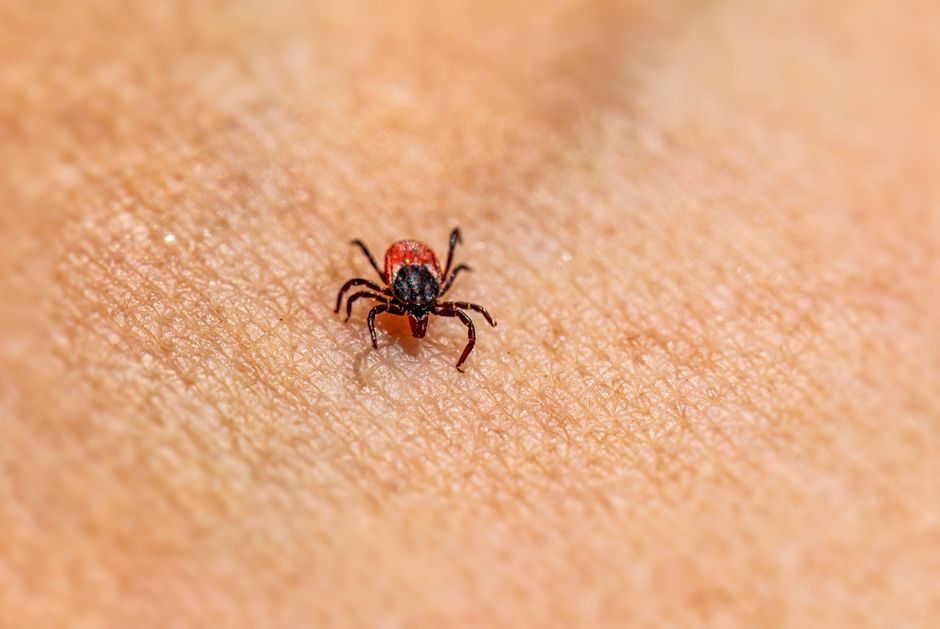
Ectoparasites live on the surface of the skin rather than inside the body. Lice, scabies mites, and fleas are the most common examples. They feed on blood or skin cells and can cause intense itching. Some ectoparasites also transmit other diseases, such as ticks transmitting Lyme disease.
Knowing which category a parasite belongs to is the first step in understanding how it is diagnosed and treated.
How Do You Get a Parasitic Infection?
Parasites enter the body through several common routes. The most frequent cause is contaminated food or water. Drinking untreated water from streams or lakes, eating undercooked meat, or consuming raw produce washed in contaminated water can all introduce parasites into the digestive tract.
Insect bites are another major route. Mosquitoes transmit malaria and several other parasitic diseases. Sandflies transmit Leishmania. These infections are most common in tropical and subtropical regions, though travelers can bring them home.
Direct skin contact spreads ectoparasites. Scabies mites transfer from person to person through prolonged skin-to-skin contact. Lice spread through shared clothing, combs, or bedding. Walking barefoot in soil where hookworm larvae live can also allow parasites to penetrate the skin.
Good hygiene and food safety practices reduce risk significantly. Washing hands, cooking meat thoroughly, and drinking safe water are the most effective prevention measures available.
What Are the Symptoms of a Parasitic Infection?
Symptoms vary widely depending on the type of parasite and where it lives in the body. Some infections cause no symptoms at all for months or even years. Others produce acute illness within days.
Intestinal parasites commonly cause digestive symptoms. These include diarrhea, abdominal pain, bloating, gas, and nausea. Unexplained weight loss is a red flag, especially when accompanied by digestive problems. Some people notice worms in their stool, which is a clear sign of infection.
Systemic parasites, such as malaria, cause fever, chills, headache, and muscle aches. These symptoms often come in cycles. Fatigue and weakness are common because the parasite consumes nutrients the body needs.
Skin parasites cause visible symptoms at the site of infection. Intense itching is the hallmark of scabies and lice. A rash, red bumps, or visible burrow tracks on the skin may appear. Scratching can lead to secondary bacterial infections.
Some parasites cause more specific symptoms. Tapeworm infection can cause vitamin B12 deficiency because the worm absorbs this nutrient. Hookworm infection can cause anemia from chronic blood loss. These indirect effects are often what prompt people to seek medical care.
If you have persistent digestive issues, unexplained fever, or severe itching, see a doctor. These symptoms have many causes, but parasitic infection should be considered, especially if you have traveled internationally.




How Are Parasitic Infections Diagnosed?
Diagnosis requires laboratory testing. A doctor will take a medical history, including any recent travel. Then they will order tests based on your symptoms and exposure risk.
Stool tests are the most common method for intestinal parasites. A sample is examined under a microscope for eggs or parasite fragments. Multiple samples over several days may be needed because parasites do not shed eggs every day. Some newer stool tests use DNA analysis, which can detect parasites that are hard to see under a microscope.
Blood tests detect systemic parasites. Antibodies against specific parasites can be measured. Antigen tests look for parasite proteins directly in the blood. A blood smear under a microscope is the standard method for diagnosing malaria.
Imaging tests may be used if a parasite has spread to organs. Ultrasound, CT scans, or MRI can reveal cysts or masses caused by parasites like tapeworm larvae in the brain or liver. Tissue biopsies are sometimes needed to confirm a diagnosis.
Diagnosis can take time. Parasites are not always detected on the first test. Persistence is important if symptoms continue.
What Are the Treatment Options for Parasites?
Treatment depends on the specific parasite. Antiparasitic medications are the mainstay of therapy. These drugs are generally effective, but the correct drug must be matched to the correct parasite.
Antiprotozoal drugs treat single-celled parasites. Metronidazole is commonly used for Giardia. Chloroquine and artemisinin-based combinations treat malaria. These drugs work by interfering with the parasite’s metabolism or reproduction.
Anthelmintic drugs treat worm infections. Albendazole and mebendazole are broad-spectrum drugs effective against many intestinal worms. Praziquantel treats tapeworms and flukes. These drugs either paralyze the worm or damage its surface so the body can expel it.
Topical treatments address ectoparasites. Permethrin cream kills scabies mites. Medicated shampoos and lotions treat lice. These products are applied to the skin or hair and left on for a specified time before washing off.
Some infections require more complex treatment. Cysticercosis, caused by pork tapeworm larvae in the brain, may need anti-inflammatory drugs alongside antiparasitic drugs. Severe malaria often requires hospitalization and intravenous medication.
Treatment is not always simple. Some parasites are developing resistance to standard drugs. Malaria resistance to chloroquine is well documented. This is why doctors need to know exactly which parasite they are treating and where the infection was acquired.
Do not treat a suspected parasitic infection with over-the-counter products or home remedies. No evidence supports these approaches, and they can delay proper treatment. Prescription medications are required for most parasitic infections.
Can Parasitic Infections Be Prevented?
Prevention is possible and is far easier than treatment. The strategies depend on where you live and travel.
Safe food and water practices are the foundation of prevention. Drink bottled or boiled water when traveling to areas with poor sanitation. Avoid raw vegetables and fruits that cannot be peeled. Eat meat that is cooked thoroughly. Freezing fish for several days kills some parasites, but cooking is more reliable.
Insect repellent is critical in malaria-endemic areas. Use EPA-registered repellents containing DEET or picaridin. Sleep under insecticide-treated bed nets. Wear long sleeves and pants during dawn and dusk when mosquitoes are most active.
Good hygiene prevents person-to-person spread. Wash hands after using the bathroom and before handling food. Do not share combs, hats, or towels. Wash bedding in hot water if someone has lice or scabies.
Pets can carry parasites. Dogs and cats can transmit roundworms and hookworms to humans. Regular veterinary care and deworming for pets reduce this risk. Clean up pet feces promptly, especially in areas where children play.
No vaccine exists for most parasitic infections. Malaria vaccines are in use in some African countries but are not widely available elsewhere. Prevention through behavior is the most reliable strategy.
When Should You See a Doctor?
See a doctor if you have symptoms that suggest a parasitic infection. Persistent diarrhea lasting more than a few days, unexplained weight loss, severe itching, or fever after international travel all warrant medical evaluation.
Tell your doctor about any travel history. This information is essential for choosing the right tests. A parasite common in Southeast Asia may not be on the standard test panel for someone who never left the United States.
Do not wait for symptoms to become severe. Some parasitic infections cause long-term damage if untreated. Chronic hookworm infection leads to iron deficiency anemia. Untreated malaria can be fatal. Early diagnosis improves outcomes.
Parasitic infections are not a sign of poor hygiene or personal failure. Anyone can get them, regardless of how carefully they live. Medical care is straightforward and effective when the right diagnosis is made.
Frequently Asked Questions
Can you have parasites without any symptoms?
Yes, many parasitic infections cause no symptoms at all, especially in the early stages. Some people carry parasites for years without knowing it until the infection is found during testing for another condition.
Can parasites go away on their own without treatment?
Some mild infections may resolve without treatment, but this is not reliable and cannot be predicted. Most parasitic infections require prescription medication to be fully cleared from the body.
Are parasitic infections contagious between people?
Some are, but most are not spread through casual contact. Scabies and lice spread through skin contact or shared items, but intestinal parasites usually require ingestion of contaminated food or water to spread.
Can you get parasites from eating sushi?
Raw or undercooked fish can carry certain parasites, including tapeworms. Freezing fish at very low temperatures for a specific duration kills these parasites, which is why commercially prepared sushi is generally considered safe in developed countries.
