

Direct oral anticoagulants, often called DOACs, are a class of prescription blood thinners used to prevent and treat blood clots. They work by blocking specific proteins in the blood that are needed for clotting to form. The key risks involve bleeding, which can range from minor bruising to life-threatening internal hemorrhage, and they require careful management to ensure the dose is correct for each person.
What Are DOACs and How Do They Differ From Older Blood Thinners?
DOACs are newer than warfarin, the blood thinner that was the standard treatment for decades. Warfarin works by interfering with vitamin K, which the liver needs to make several clotting factors. DOACs take a more targeted approach. They block one specific clotting factor directly.
There are two main types of DOACs. One type blocks a protein called factor Xa. The other type blocks a protein called thrombin. Both proteins are essential for the final steps of blood clot formation. By blocking one of them, the blood is less able to form a stable clot.
This targeted action is why DOACs are often preferred. They start working quickly, usually within a few hours of the first dose. They also wear off faster than warfarin when stopped. This makes them more convenient because they do not require frequent blood tests to monitor levels.
Warfarin requires regular blood draws to check the INR, a measure of how long it takes blood to clot. DOACs were designed to be given in fixed doses without this routine monitoring. However, that does not mean they are safer. The bleeding risk is still significant.
What Medical Conditions Are DOACs Used For?
DOACs are approved for several specific conditions. The most common use is for atrial fibrillation, an irregular heart rhythm that increases the risk of blood clots forming in the heart. These clots can travel to the brain and cause a stroke.
They are also used to treat deep vein thrombosis (DVT) and pulmonary embolism (PE). A DVT is a clot in a deep vein, usually in the leg. A PE occurs when a clot breaks loose and travels to the lungs. DOACs are used both to treat an existing clot and to prevent new ones from forming.
Another use is preventing blood clots after certain surgeries. Hip replacement and knee replacement surgeries carry a high risk of clot formation. DOACs are sometimes prescribed for a few weeks after these procedures to reduce that risk.
Some people take DOACs long-term to prevent recurrent clots. The decision to continue treatment depends on the individual risk of another clot versus the risk of serious bleeding. This is a balance your doctor evaluates carefully.
How Do DOACs Actually Work in the Body?
To understand how DOACs work, it helps to know a little about how blood clots normally form. When a blood vessel is injured, the body sends out signals. Platelets gather at the site. Then a cascade of proteins, called clotting factors, activates in sequence. This cascade ultimately produces a mesh of fibrin, which holds the clot together.
Factor Xa is a central player in this cascade. It is the point where the two main clotting pathways converge. Once factor Xa is activated, it converts prothrombin into thrombin. Thrombin then converts fibrinogen into fibrin.
DOACs that target factor Xa block this conversion step. Without active factor Xa, thrombin is not produced in sufficient amounts. The clot cannot form its structural mesh. Examples of these drugs include rivaroxaban and apixaban.
The other class of DOAC targets thrombin directly. Dabigatran is the main drug in this group. By blocking thrombin, the final step of clot formation is interrupted. Fibrinogen cannot be converted into fibrin, so the clot does not stabilize.
Both approaches achieve the same result. The blood’s ability to clot is reduced, but not eliminated entirely. This is the intended effect. The challenge is finding the right balance between preventing harmful clots and allowing normal clotting to stop bleeding after an injury.




What Are the Key Risks and Side Effects of DOAC Therapy?
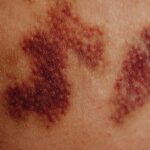
Bleeding is the primary risk of any blood thinner, and DOACs are no exception. The most common side effect is minor bleeding. This includes nosebleeds, bleeding gums, and easy bruising. These are often manageable but should still be reported to a doctor.
Serious bleeding is less common but can be life-threatening. This includes bleeding in the stomach or intestines, bleeding in the brain, and bleeding into joints or muscles. Signs of serious bleeding include blood in vomit or stool, coughing up blood, severe headache, dizziness, or unusual weakness.
Gastrointestinal bleeding deserves special attention. Some research suggests that certain DOACs may cause more stomach and intestinal bleeding than warfarin. This is particularly relevant for older adults or people with a history of ulcers.
There is also a risk of bleeding after surgery or dental procedures. DOACs must often be paused before any planned procedure. The timing of when to stop and restart the drug is critical. This should always be coordinated with the prescribing doctor and the surgeon.
Another risk is related to the kidneys. DOACs are cleared from the body through the kidneys to varying degrees. If kidney function declines, the drug can build up in the blood, increasing the risk of bleeding. Kidney function should be checked before starting a DOAC and periodically during treatment.
What Happens If You Miss a Dose or Take Too Much?
Missing a dose of a DOAC can temporarily reduce the protection against blood clots. The exact advice depends on which drug you take and how often you take it. Some DOACs are taken once daily, others twice daily.
For most DOACs, if you miss a dose, you should take it as soon as you remember on the same day. If it is almost time for your next dose, skip the missed dose. Do not take two doses at once. Taking a double dose can significantly increase bleeding risk.
Taking too much of a DOAC is a medical emergency. An overdose can cause uncontrolled bleeding. If you or someone else has taken an extra dose, contact a poison control center or seek emergency medical attention immediately.
There are reversal agents for some DOACs. These are medications that can rapidly stop the blood-thinning effect in an emergency, such as severe bleeding or the need for urgent surgery. However, they are not used routinely. They are reserved for serious situations.
What Foods and Medications Interact With DOACs?
DOACs have fewer food interactions than warfarin. Warfarin is highly sensitive to vitamin K, which is found in leafy green vegetables. DOACs do not depend on vitamin K, so you do not need to restrict these foods.
However, some supplements and over-the-counter medications can increase bleeding risk. Aspirin and nonsteroidal anti-inflammatory drugs (NSAIDs) like ibuprofen and naproxen can thin the blood further. Combining them with a DOAC raises the risk of bleeding.
St. John’s wort, a herbal supplement used for depression, can reduce the effectiveness of DOACs. This could increase the risk of blood clots. Other supplements like garlic, ginkgo, and fish oil may also affect bleeding, though the evidence is less clear.
Certain prescription medications also interact with DOACs. Some antibiotics and antifungal drugs can increase DOAC levels in the blood, raising bleeding risk. Some anti-seizure medications can decrease DOAC levels, reducing effectiveness.
Always provide a complete list of all medications and supplements to your doctor. This includes anything prescribed by another doctor and anything you buy without a prescription.
Who Should Not Take DOACs?
DOACs are not suitable for everyone. People with mechanical heart valves should not take them. Clinical trials have shown that DOACs are less effective than warfarin in this specific population and are associated with more blood clots and bleeding.
People with antiphospholipid syndrome, a condition that causes blood clots, should also avoid DOACs. This is particularly true for those who test positive for all three antibodies associated with the condition. Warfarin remains the preferred treatment here.
People with severe liver disease may not be able to take DOACs. The liver produces clotting factors, and severe liver impairment can already increase bleeding risk. DOACs may make this worse.
Pregnancy is another area of caution. There is limited data on the safety of DOACs during pregnancy. Warfarin and injectable blood thinners like enoxaparin have more established safety profiles in this setting. DOACs are generally not recommended during pregnancy or while breastfeeding.
Frequently Asked Questions
Can I eat leafy green vegetables while taking a DOAC?
Yes. DOACs do not depend on vitamin K, so you do not need to restrict foods like spinach or kale. This is a major difference from warfarin.
How long do I need to take a DOAC?
The duration depends on why you are taking it. Some people take it for a few weeks after surgery, while others take it long-term to prevent recurrent clots or stroke.
What should I do if I cut myself while on a DOAC?
Apply firm pressure to the wound for at least 10 minutes. Contact your doctor if the bleeding does not stop or if the cut is deep.
Can I drink alcohol while taking a DOAC?
Occasional light drinking is generally acceptable, but heavy drinking increases bleeding risk. Discuss your alcohol habits with your doctor.
