
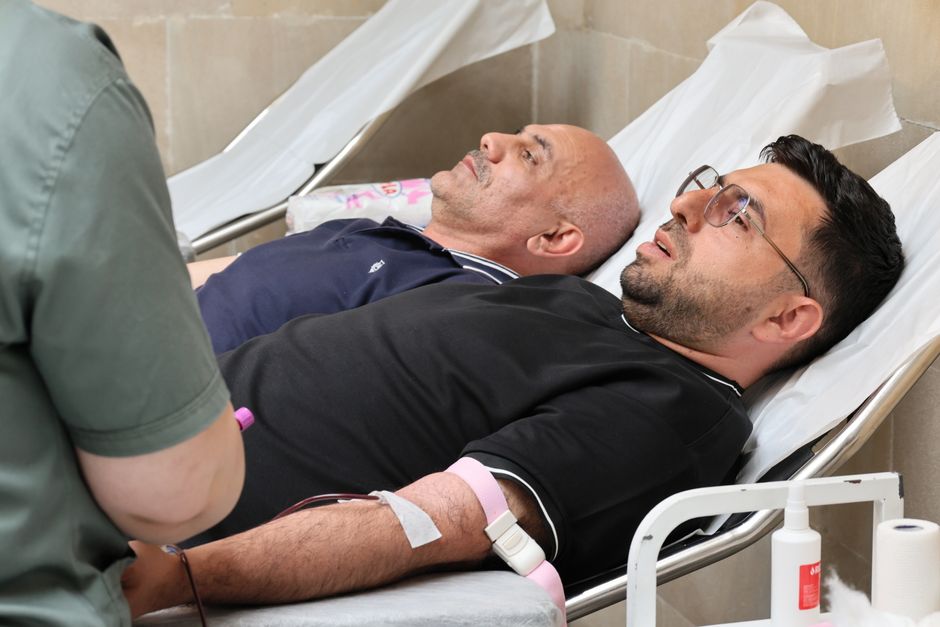
Chronic inflammatory demyelinating polyneuropathy (CIDP) is a rare neurological disorder where the body’s immune system attacks the protective covering of the peripheral nerves. Intravenous immunoglobulin (IVIG) is a first-line treatment for CIDP that works by modulating the immune system to reduce this attack on the nerves. IVIG is made from purified antibodies collected from thousands of healthy blood donors, and when infused, it helps calm the overactive immune response and can significantly improve muscle strength and function in many people with the condition.
What Exactly Is CIDP?
CIDP is a condition where the immune system mistakenly targets myelin, the fatty layer that insulates nerve fibers outside the brain and spinal cord. This damage slows or blocks nerve signals, leading to symptoms like progressive weakness in the arms and legs, tingling, numbness, and difficulty walking.
The condition is chronic, meaning it develops over at least eight weeks and tends to persist or relapse. It is distinct from Guillain-Barré syndrome, which is a similar but acute condition that reaches its worst point much faster. CIDP affects roughly 1 to 2 people per 100,000, making it a rare disease, but it is one of the most treatable chronic neuropathies when caught early.
How Ivig Works As A Treatment For CIDP
IVIG is prepared from the pooled blood plasma of thousands of healthy donors. It contains a concentrated mixture of immunoglobulin G (IgG) antibodies. The exact mechanism of how IVIG works in CIDP is not fully understood, but research has identified several key actions that likely contribute to its effect.
One primary action is the neutralization of pathogenic autoantibodies. In some people with CIDP, the immune system produces antibodies that attack nerve components. IVIG contains anti-idiotypic antibodies that can bind to and neutralize these harmful autoantibodies, preventing them from damaging the myelin sheath.
Another important mechanism involves blocking Fc receptors on immune cells. IVIG saturates the Fc receptors on macrophages and other immune cells. When these receptors are blocked, the immune cells are less able to recognize and attack the antibody-coated myelin. This reduces the inflammatory damage to the nerves.
IVIG also inhibits the activation of complement, a part of the immune system that helps destroy targets marked by antibodies. By dampening complement activation, IVIG reduces the formation of the membrane attack complex that can directly damage the myelin sheath. Additionally, IVIG influences the levels and function of regulatory T cells, which help keep the immune system in check. By boosting suppressor activity, it helps calm the overall autoimmune response.
How Is IVIG Given?
IVIG is administered directly into a vein through an intravenous infusion. Treatment typically begins with a loading dose given daily for two to five consecutive days. After this initial phase, maintenance infusions are given at regular intervals, often every three to four weeks.
The dose is calculated based on body weight. The standard loading dose is generally 2 grams per kilogram of body weight, divided over the initial days. Maintenance doses are typically 1 gram per kilogram given every three to four weeks. These numbers are established clinical standards used in major trials and guidelines.
Each infusion takes several hours, usually between two and four hours, though it can take longer. Some people receive IVIG in a hospital infusion center, while others may be trained to receive it at home. The treatment plan is individualized based on how the person responds and how long the benefits last.





What Are the Other First-Line Treatment Options for CIDP?
IVIG is not the only option. Corticosteroids and plasma exchange (plasmapheresis) are also considered first-line treatments for CIDP. All three have shown benefit in randomized controlled trials, and the choice between them depends on individual factors like side effect profiles, coexisting medical conditions, and patient preference.
Corticosteroids such as prednisone are often used. They work by broadly suppressing the immune system and reducing inflammation. They are taken orally daily. While effective for many people, long-term steroid use carries significant side effects including weight gain, high blood sugar, bone thinning, and mood changes. Steroids are often avoided in people with diabetes or those at high risk for osteoporosis.
Plasma exchange works differently. It filters the blood to remove the harmful antibodies that attack the nerves. This is done through a machine that separates blood cells from plasma, discards the plasma, and returns the cells with a replacement fluid. Plasma exchange works quickly but the effects are temporary, and it requires specialized equipment and vascular access. It is not always available in every treatment center.
For people who do not respond adequately to one treatment, switching to another is common. Some people may respond to IVIG but not steroids, and vice versa. Some people require a combination of treatments, though this is less common and is reserved for difficult cases.
How Do Doctors Decide Which Treatment to Use?
IVIG is often preferred for people who need a rapid response, have severe weakness, or cannot tolerate steroids. It is also commonly chosen for people with diabetes, because steroids can significantly worsen blood sugar control.
Steroids are a reasonable first choice for people who prefer an oral medication, have difficulty with intravenous access, or have a condition that makes IVIG less suitable, such as kidney disease or a history of blood clots. The decision is highly individualized and should be made with a neurologist who specializes in neuromuscular disorders.
Response to treatment is typically assessed within a few weeks. Improvement in muscle strength, reduced numbness, and better functional ability are the key markers. If no improvement is seen after a defined trial period, the diagnosis may be reconsidered or the treatment changed.
What Are the Side Effects and Risks of IVIG?
IVIG is generally well tolerated, but side effects are common. The most frequent ones occur during or shortly after the infusion and include headache, chills, flushing, nausea, and low-grade fever. These are usually mild and can be managed by slowing the infusion rate or giving premedication like acetaminophen or antihistamines.
More serious but less common risks include kidney problems, blood clots, and aseptic meningitis, which is an inflammation of the membranes around the brain that mimics meningitis but is not infectious. People with pre-existing kidney disease, a history of blood clots, or certain cardiovascular conditions are at higher risk and need careful monitoring.
Severe allergic reactions are rare but can occur, particularly in people who have a deficiency of immunoglobulin A (IgA). Because of this, doctors will often check IgA levels before starting IVIG. Regular monitoring with blood tests may be part of ongoing treatment to ensure safety.
Is IVIG a Cure for CIDP?
IVIG is not a cure. It is a treatment that manages the condition and suppresses the immune attack. Many people with CIDP require ongoing maintenance infusions for months or years to maintain their strength and prevent relapses.
Some people eventually achieve remission and can stop treatment, but this varies widely. Others need continuous therapy. The goal of treatment is to minimize symptoms, restore function, and improve quality of life. With appropriate treatment, many people with CIDP can lead active and productive lives, though some may have residual weakness or require assistive devices.
Long-term outcomes depend on early diagnosis and consistent treatment. Nerve damage that has already occurred may not fully reverse, which is why starting treatment promptly is important.
Frequently Asked Questions
How quickly does IVIG work for CIDP?
Many people notice improvement within the first few weeks of starting IVIG treatment. Some may feel a response within days, especially for symptoms like weakness, but full assessment of benefit usually happens after the first few infusion cycles.
How long do the effects of an IVIG infusion last?
The effects typically last about three to six weeks, which is why maintenance infusions are often scheduled every three to four weeks. The exact duration varies from person to person based on their disease activity and metabolism.
Can you take IVIG and steroids at the same time for CIDP?
Yes, some people with refractory CIDP are treated with both IVIG and corticosteroids. This combination is generally reserved for cases that do not respond adequately to either treatment alone and should be managed by a specialist neurologist.
What happens if IVIG stops working for CIDP?
If IVIG loses effectiveness, a doctor may increase the dose, shorten the interval between infusions, or switch to plasma exchange or corticosteroids. Changing to a different treatment is a common strategy when one approach fails.
