
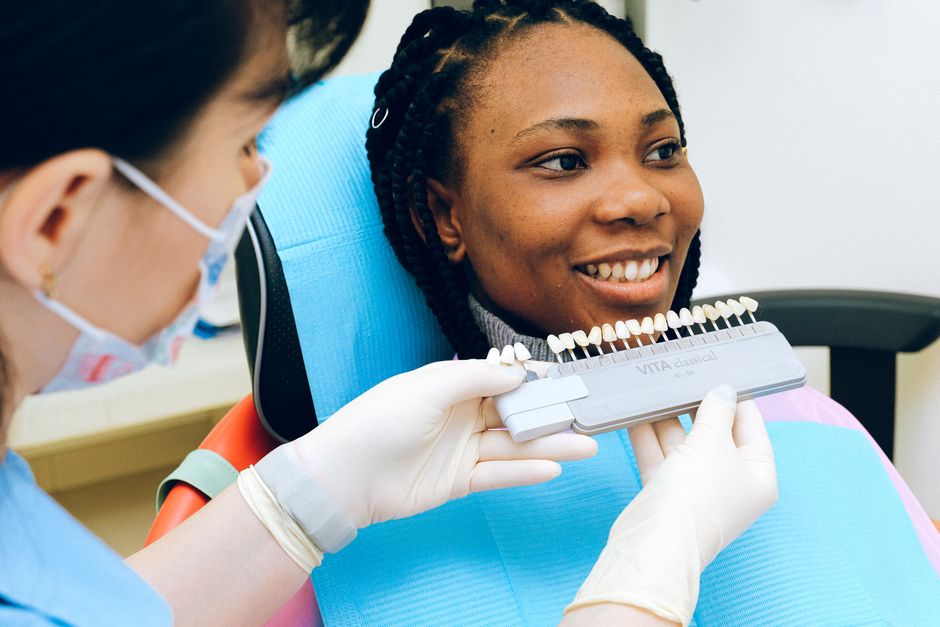
Guided Biofilm Therapy (GBT) is a modern approach to dental cleaning that uses a specific, step-by-step system to remove plaque and tartar. Instead of relying only on metal hand tools or broad ultrasonic scaling, GBT uses a combination of a special dye to reveal plaque, a warm water and air spray, and a fine powder to gently remove biofilm. The goal is to make the cleaning process more comfortable, more thorough, and less damaging to tooth enamel and gums.
How Is Guided Biofilm Therapy Different From a Standard Dental Cleaning?
A traditional dental cleaning often involves scraping with metal instruments and using an ultrasonic scaler that vibrates to break up tartar. These methods are effective, but they can be uncomfortable, especially if you have sensitive teeth or receding gums. Metal scalers can also leave microscopic scratches on the tooth surface over time.
GBT is a completely different sequence. It is a patented protocol developed by the Swiss company EMS, but the principles are now used in many clinics worldwide. The system is built around eight defined steps. The most distinctive step is the application of a pink disclosing solution. This dye stains old and new biofilm, making plaque visible to both you and the dentist. This is the “guided” part — the clinician can see exactly where the biofilm is and target only those areas.
After the dye reveals the plaque, the clinician uses a device that sprays a warm air and water mixture. This loosens the biofilm from the teeth and gums. Finally, a fine powder is sprayed onto the teeth using a machine called an air polisher. This powder, often made from erythritol or glycine, gently abrades the biofilm away without damaging the enamel.
What Does the Pink Dye Actually Show?
The pink disclosing solution is not just a gimmick. It is a clinical tool that changes how effectively plaque is removed. Plaque is a sticky, colorless film of bacteria that forms on teeth constantly. Because it is invisible, both patients and clinicians often miss it during cleaning.
When the dye is applied, it stains the biofilm pink or purple. Areas that have been brushed well remain clean, while areas with buildup turn bright colors. This gives the dentist or hygienist a real-time map of where the biofilm is hiding. It also helps you see exactly where you need to improve your brushing and flossing at home.
Studies have shown that disclosing agents improve plaque removal during professional cleaning. The visible dye forces the clinician to be more thorough, and it allows them to use the air polisher only where it is needed. This targeted approach reduces unnecessary abrasion to healthy enamel and dentin.
Is the Powder Cleaning Safe for Teeth and Gums?
This is the most common concern patients have about GBT. The idea of sandblasting your teeth sounds aggressive. In practice, the powders used in GBT are much softer than traditional baking soda powders used in older air polishing systems.
Modern GBT systems use powders made from glycine or erythritol. These are fine, low-abrasion particles. They are designed to be gentle on enamel and dentin while still being effective at removing biofilm. Clinical research has consistently shown that erythritol and glycine powders cause less surface roughness on enamel compared to traditional sodium bicarbonate powders.
That said, no dental cleaning is completely risk-free. If the air polisher is held too close to the gums or used at too high a pressure, it can cause temporary gum irritation or minor bleeding. This is why the GBT protocol emphasizes a specific spray angle and distance. When performed by a trained clinician following the manufacturer’s instructions, the procedure is considered safe for most patients.




Who Should Consider Guided Biofilm Therapy?
GBT is suitable for most adults, but it is particularly beneficial for certain groups. Patients with dental implants benefit because the powder cleaning is less abrasive to implant surfaces than metal scaling. People with orthodontic braces often find GBT more comfortable because the air polisher can reach around brackets and wires more easily than traditional instruments.
Patients with sensitive teeth or gum recession often tolerate GBT better than conventional scaling. The warm water spray is more comfortable than cold water used in some ultrasonic scalers. The fine powder does not cause the same vibration sensation that metal scalers produce.
However, GBT is not appropriate for everyone. Patients with certain respiratory conditions, such as severe asthma or COPD, may need to avoid air polishing because the fine powder can be inhaled. Pregnant women should consult with their healthcare provider before any dental procedure, though routine dental cleanings are generally considered safe during pregnancy. Patients with salt-restricted diets should inform their clinician, as some powders contain sodium, though erythritol-based powders are typically sodium-free.
Does Guided Biofilm Therapy Hurt?
Most patients report that GBT is more comfortable than traditional deep cleaning. The warm water and air spray feel like a gentle water flosser. The powder spray can feel strange at first, but it is not painful. The most uncomfortable part is usually the disclosing dye, which can leave a temporary pink stain on your lips and tongue that washes off quickly.
For patients with severe gum disease or deep periodontal pockets, the cleaning may still cause some discomfort. In these cases, the clinician may use a local anesthetic just as they would with a traditional deep cleaning. The advantage of GBT is that the clinician can see the biofilm clearly, which means they can be more precise and avoid scraping healthy tissue unnecessarily.
How Long Does a Guided Biofilm Therapy Session Take?
A standard GBT appointment typically takes the same amount of time as a conventional cleaning, usually 45 to 60 minutes for a full-mouth treatment. The exact time depends on the amount of plaque and tartar present. Heavily stained teeth or significant calculus buildup will require more time.
One advantage of the GBT system is efficiency. Because the dye reveals exactly where the biofilm is, the clinician does not waste time cleaning areas that are already clean. The air polisher also covers a larger surface area than a metal scaler, which can speed up the process for patients with widespread but shallow biofilm.
Is Guided Biofilm Therapy More Expensive?
Cost varies significantly by dental practice and geographic location. GBT may cost more than a standard cleaning because it requires specialized equipment and powders. Some dental insurance plans cover GBT at the same rate as a traditional prophylaxis, while others may not cover the additional cost.
Before scheduling, ask your dental office for a cost estimate and check with your insurance provider. Some practices include the GBT technology in their standard cleaning fee, while others charge a premium. The long-term value depends on whether the more thorough cleaning reduces your need for additional periodontal treatments down the road, but no large-scale studies have confirmed this cost-effectiveness yet.
Can You Do Guided Biofilm Therapy at Home?
No. The equipment used in GBT is professional-grade and requires training to use safely. The air polishing device operates at specific pressures and angles that, if used incorrectly, could damage enamel or push bacteria deeper into the gums. The disclosing dye is available for home use, and some dentists recommend using it once a week to check your brushing technique, but the full GBT protocol is a clinical procedure only.
For home care, the best you can do is maintain good brushing and flossing habits. The dye can help you identify areas you routinely miss. If you notice persistent pink staining in the same spots after brushing, you know you need to adjust your technique.
Frequently Asked Questions
Does Guided Biofilm Therapy remove tartar?
Yes, but it depends on the amount of tartar. The air polisher removes soft biofilm and light stains effectively, while harder, calcified tartar may still require ultrasonic scaling first.
Is Guided Biofilm Therapy safe for sensitive teeth?
Yes, most patients with sensitive teeth find GBT more comfortable than traditional scaling. The warm water and fine powder cause less thermal and mechanical irritation than metal instruments.
How often should you get Guided Biofilm Therapy?
Most dentists recommend every six months for patients with good oral health. Patients with gum disease or a history of heavy plaque buildup may need more frequent visits every three to four months.
Can Guided Biofilm Therapy damage tooth enamel?
No, the erythritol and glycine powders used in GBT are low-abrasion and do not damage enamel when used correctly. The protocol includes specific spray angles and distances to protect tooth surfaces.
