
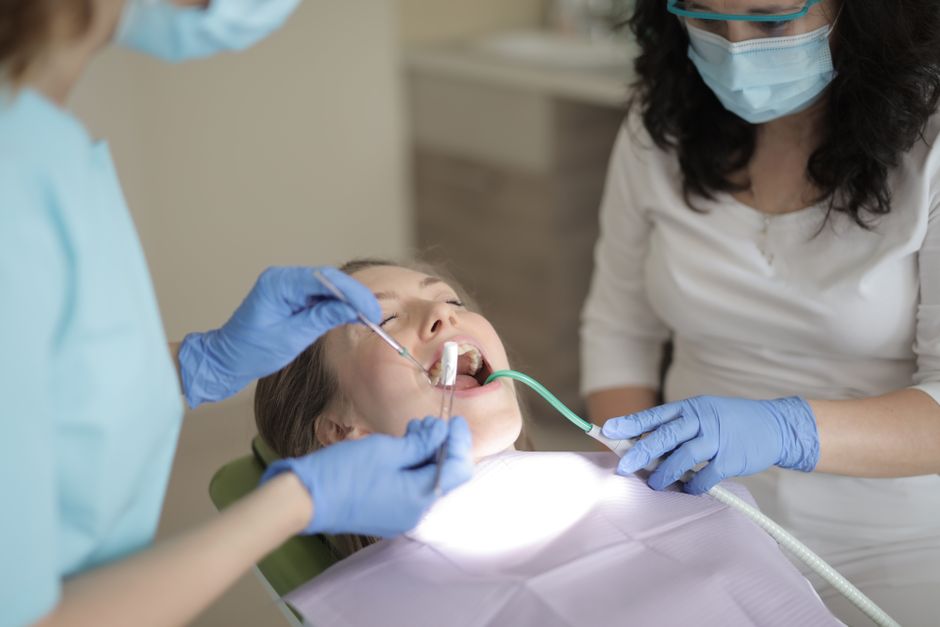
Dental scaling is a professional deep-cleaning procedure that removes hardened plaque and tartar from your teeth, especially below the gumline. Most people wonder if it hurts more than a standard cleaning, and the honest answer is that scaling can cause more discomfort because it goes deeper than the routine polishing you get at a regular visit. The pain level varies from person to person, but your dentist can use numbing agents to keep you comfortable throughout the process.
What Exactly Happens During Dental Scaling?
Dental scaling is the process of removing calculus, which is the hard mineralized deposit that forms when plaque is left on teeth. A regular cleaning removes soft plaque from the visible surfaces of your teeth. Scaling goes further, reaching into the pocket between your gum and tooth where a toothbrush cannot reach.
The dentist or dental hygienist uses specialized instruments called scalers and curettes. These can be manual metal tools or ultrasonic devices that vibrate at high frequencies to break up tartar. The ultrasonic scaler also sprays water to wash away debris and keep the tip cool. For deeper pockets, the procedure may be paired with root planing, which smooths the root surface to help gums reattach to the tooth.
This is not the same as a routine prophylaxis, which is the standard cleaning most people get every six months. Scaling is a therapeutic procedure, meaning it treats an existing condition like gum disease rather than preventing one.
Does Dental Scaling Hurt More Than a Regular Cleaning?
Yes, most people find scaling more uncomfortable than a standard cleaning. The reason is straightforward: the instruments go deeper and work on tender, inflamed tissue. If you have gum disease, your gums are already swollen and sensitive. Touching them with metal instruments or ultrasonic vibrations can cause sharp sensations or a dull ache.
The depth of the pockets matters. Healthy gums have pockets measuring 1 to 3 millimeters. When gum disease develops, those pockets deepen to 4 millimeters or more. Cleaning at that depth means the instruments are working on tissue that is already compromised. The water spray from ultrasonic scalers can also be cold, which adds to the sensitivity for some people.
That said, a routine cleaning is not always pain-free either. People with sensitive teeth or exposed roots may feel discomfort even during a simple polish. The difference is one of degree. Scaling involves more surface area, deeper access, and longer appointment time.
What Does Scaling Pain Actually Feel Like?
Patients describe the sensation in different ways. Some say it feels like a scraping or scratching pressure rather than sharp pain. Others report a vibrating or buzzing sensation from the ultrasonic tools. When the instrument reaches deep into a pocket, you may feel a pinch or a prick.
The most common discomfort is sensitivity to the cold water spray and the vibration traveling through the tooth. This is not damage — it is nerve stimulation. Your teeth are living structures with nerve endings inside. Rapid vibration and temperature changes can trigger those nerves.
Bleeding during the procedure is normal and expected. Inflamed gums bleed easily when touched. The amount of bleeding usually correlates with the severity of your gum disease. It does not mean the dentist is being too rough.




How Long Does the Pain Last After the Procedure?
Immediately after scaling, your gums will likely feel sore and tender. This is normal tissue irritation from the procedure itself. For most people, this soreness peaks within the first 24 hours and gradually fades over the next few days. By day three to five, most patients report significant improvement.
Some people experience heightened tooth sensitivity to hot or cold foods and drinks for a week or more. This happens because the tartar that was covering the tooth surface has been removed, exposing areas that have not been in contact with the outside environment for a long time. The teeth are essentially adjusting to being clean.
Your gums may also look different. They may appear receded or you may notice spaces between teeth that were not visible before. This is not a new problem — the tartar was filling those spaces and hiding the recession. Now that it is gone, you see the true state of your gumline.
If pain lasts longer than a week or worsens instead of improving, contact your dentist. Prolonged pain can indicate an infection or that the healing is not progressing as expected.
How Can You Manage Discomfort During the Procedure?
You do not have to endure the procedure without help. Topical anesthetics are commonly applied to the gums before scaling begins. These gels numb the surface tissue within a minute or two. For deeper scaling or more sensitive patients, local anesthesia like lidocaine injections may be used. This numbs a larger area more completely.
Tell your dentist ahead of time if you are anxious about pain or have had a bad experience before. Dentists cannot read your mind. If you need more numbing, ask for it. It is perfectly reasonable to request a break during the appointment if the discomfort becomes too much.
Some dentists offer nitrous oxide, commonly called laughing gas, for anxious patients. This does not eliminate pain but helps you relax so the sensations bother you less. Sedation options vary by practice and by the complexity of your case.
How to Reduce Pain and Sensitivity After Scaling
For the first few days after scaling, stick to soft foods that do not require much chewing. Think yogurt, scrambled eggs, mashed potatoes, and soup. Avoid crunchy, sharp, or spicy foods that can irritate the healing gums.
Over-the-counter pain relievers like ibuprofen or acetaminophen can help with soreness. Follow the dosing instructions on the package or ask your dentist for a specific recommendation based on your medical history. Do not take aspirin if your dentist has advised against it, as it can increase bleeding.
Rinse gently with warm salt water starting the day after the procedure. Mix about half a teaspoon of salt in a glass of warm water. Swish softly and spit. Do not rinse vigorously — your gums need time to heal, not a forceful water blast.
Brush gently with a soft-bristled toothbrush. It may be tempting to skip brushing because your gums hurt, but keeping the area clean is important for healing. Use light pressure and avoid aggressive flossing around the treated areas for the first few days.
Avoid tobacco products for at least 48 hours after scaling. Smoking delays healing and increases the risk of complications. Alcohol can also irritate the healing tissue, so it is best to avoid it for a day or two.
When Is Scaling Actually Necessary?
Scaling is not a cosmetic procedure. It is a treatment for periodontal disease, commonly known as gum disease. Your dentist recommends scaling when clinical signs indicate that your gums are infected and the supporting structures of your teeth are at risk.
The main signs include bleeding when you brush or floss, red or swollen gums, persistent bad breath, gum recession, and pockets deeper than 4 millimeters. If left untreated, gum disease progresses. The infection moves deeper, the bone supporting your teeth begins to erode, and teeth can become loose or fall out.
Some people need scaling more than once. Gum disease is a chronic condition. It can be managed but not always cured. Good home care after scaling greatly reduces the chance that you will need the procedure again soon. Regular checkups allow your dentist to monitor your gum health and catch problems early.
Is There a Difference Between Scaling and Root Planing?
Scaling and root planing are often mentioned together but they are technically two steps. Scaling removes tartar from the tooth surface above and below the gumline. Root planing smooths the root surface itself. Rough areas on the roots give bacteria a place to cling. Smoothing them makes it harder for bacteria to reattach.
In practice, the two procedures are usually performed in the same appointment. Your dentist may refer to the whole process as deep cleaning or periodontal therapy. The distinction matters mainly for insurance purposes and treatment planning. Some cases need only scaling, while advanced gum disease requires both.
Deep cleaning is typically done on one quadrant of the mouth at a time, meaning the upper right, upper left, lower right, or lower left section. This allows the dentist to numb each area thoroughly and keeps the appointment manageable. Some dentists will do half of the mouth in one visit, depending on the severity and your comfort level.
Frequently Asked Questions
Does dental scaling hurt without anesthesia?
Most people feel some discomfort without anesthesia, especially if they have gum disease. The level of pain depends on how deep the pockets are and how sensitive your gums are.
How long does a dental scaling appointment take?
A single quadrant typically takes 30 to 45 minutes. A full-mouth deep cleaning may require two to four appointments depending on the severity of your gum disease.
Can I eat normally after dental scaling?
You can eat after the numbing wears off, but stick to soft foods for the first day or two. Avoid hot, spicy, or crunchy foods that can irritate your healing gums.
Is dental scaling bad for your teeth?
No, scaling is a safe and necessary treatment for gum disease. It removes harmful bacteria and tartar that, if left in place, would destroy the bone supporting your teeth.
