
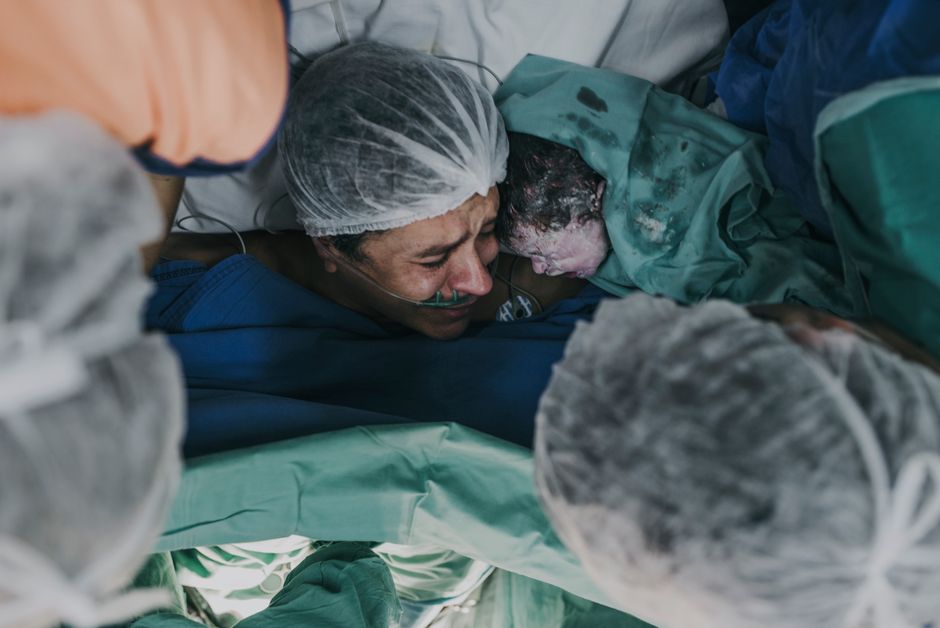
A planned cesarean section typically takes about 45 minutes from the first incision to the final stitch. The entire experience, from entering the operating room to leaving for recovery, usually lasts between one and two hours. This includes preparation, the actual surgery, and closing the incision. Understanding this timeline can help reduce anxiety if you are scheduled for a C-section or want to be prepared for an unplanned one.
What Happens Before the Surgery Starts?
The preparation phase takes up the first 30 to 60 minutes of your time in the operating room. This is not part of the surgery itself but is essential for safety. You will receive an IV line for fluids and medications. An anesthesiologist will place a spinal block or epidural to numb you from the chest down.
A catheter is inserted into your bladder to keep it empty during the procedure. Your abdomen is washed with an antiseptic solution. A drape is placed across your chest to keep the surgical area sterile. You will also have a blood pressure cuff and heart monitor attached. Your partner or support person is usually brought in after all this preparation is complete.
Some hospitals take longer than others with these steps. If you are having an emergency C-section, the preparation is much faster — sometimes just 10 to 15 minutes. The team prioritizes speed when the health of you or your baby is at risk.
How Long Does the Surgery Itself Take?
The actual surgical procedure takes about 45 minutes for a planned cesarean. The surgeon makes an incision through the skin and abdominal wall, then opens the uterus. This part takes roughly 5 to 10 minutes. The baby is delivered within the first 5 to 15 minutes of the surgery starting.
Once the baby is out, the surgeon removes the placenta. Then the real time goes into closing. Repairing the uterine incision takes about 15 to 20 minutes. Closing the abdominal layers and skin takes another 10 to 15 minutes. The surgeon uses dissolvable stitches for internal layers and either stitches or glue for the skin.
For repeat C-sections, the surgery may take slightly longer — sometimes up to 60 minutes. Scar tissue from previous surgeries requires more careful work. If you have had multiple C-sections, your surgeon may need extra time to separate adhesions. Current research suggests that total surgical time rarely exceeds 90 minutes even in complex cases.
What Affects the Total Time in the Operating Room?
Several factors can make your time in the OR longer or shorter than average. The most common ones are listed here.
- Type of anesthesia used. Spinal blocks work quickly. Epidurals take longer to place and activate.
- Number of previous C-sections. More scars mean more time needed for careful dissection.
- Emergency versus planned surgery. Emergency C-sections are faster to start but may have complications that extend the surgery.
- Your body weight. Higher BMI can make it harder to access the uterus, adding 10 to 20 minutes.
- Multiple babies. Twins or triplets add delivery time for each baby.
- Whether you have a tubal ligation. If you choose to have your tubes tied during the C-section, this adds about 10 minutes.
None of these factors mean something is wrong. They simply reflect the reality that every body and every surgery is different. Your surgical team adjusts the plan as needed.
How Long Do You Stay in the Recovery Room?
After the surgery ends, you are moved to a recovery area. This is not the same as your postpartum room. You will stay in recovery for about one to two hours. Nurses monitor your blood pressure, heart rate, bleeding, and pain level during this time.
You will be asked to wiggle your toes and move your legs as the spinal block wears off. Feeling usually returns to your legs within two to three hours after the last dose of anesthesia. You can start breastfeeding or holding your baby in recovery if both of you are stable.
Once your vital signs are stable and you can move your legs enough, you are taken to your postpartum room. The total time from entering the OR to settling into your room is usually three to four hours for a planned C-section. Emergency C-sections may require longer recovery monitoring.
How Does a Planned C-Section Compare to an Emergency One?
Planned and emergency C-sections follow the same basic steps but differ in timing and urgency. The table below shows the key differences.
| Stage | Planned C-Section | Emergency C-Section |
|---|---|---|
| Preparation time | 30-60 minutes | 10-20 minutes |
| Surgery time | 40-50 minutes | 30-60 minutes |
| Baby delivery after incision | 5-10 minutes | 2-5 minutes |
| Recovery room stay | 1-2 hours | 2-4 hours |
| Total OR to room time | 3-4 hours | 3-5 hours |
Emergency C-sections get the baby out faster but may have longer recovery times. The surgical team focuses on speed for delivery, but complications like heavy bleeding can make the closure phase take longer. Planned C-sections are more predictable because there is time to prepare and no active labor stress on your body.
What About Recovery Time After the Surgery?
The timeline discussed so far covers just the surgery day. Full recovery from a C-section takes weeks, not hours. You will stay in the hospital for two to four days after a planned C-section. Emergency C-sections or those with complications may require a longer stay.
Most women can walk carefully within 12 to 24 hours after surgery. Lifting anything heavier than your baby is not recommended for six weeks. Driving is usually safe after two to three weeks, but only if you are not taking strong pain medication and can stomp your foot without pain.
Your incision will heal over the first two weeks. The internal stitches dissolve over several months. Full recovery of your abdominal muscles and scar tissue remodeling takes six months to a year. Some women report feeling back to normal by eight weeks, while others need more time. Listen to your body and do not rush the process.
Common Misconceptions About C-Section Timing
Many people believe C-sections are quick procedures where the baby is out in minutes and the rest is simple. That is only partially true. While the baby is delivered quickly, the majority of surgical time is spent on safe closure. Rushing closure increases the risk of bleeding and infection.
Another myth is that you will be awake and aware the whole time. You are awake, but you do not feel pain. The spinal block or epidural completely numbs the surgical area. You may feel pressure or tugging but not sharp pain. Some women even fall asleep during the closing phase because the medications make them drowsy.
A third misconception is that recovery from a planned C-section is easier than from a vaginal birth. That is not supported by evidence. C-section recovery involves major abdominal surgery. It typically takes longer to return to normal activities compared to an uncomplicated vaginal birth. Both experiences are valid, but they are not the same in terms of recovery timeline.
Frequently Asked Questions About How Long Does A Cesarean Procedure Take
How long does a C-section take from start to finish?
A planned C-section takes about 45 minutes for the surgery itself. The total time from entering the operating room to reaching recovery is usually one to two hours.
How long does it take to deliver the baby during a C-section?
The baby is typically delivered within 5 to 15 minutes after the first incision. In an emergency C-section, delivery can happen in under 5 minutes.
Is a repeat C-section longer than a first one?
Yes, a repeat C-section often takes 10 to 20 minutes longer due to scar tissue. Most still finish within 60 minutes.
How long do you stay in the hospital after a C-section?
Most women stay in the hospital for two to four days after a planned C-section. Emergency C-sections may require a longer stay depending on complications.
