
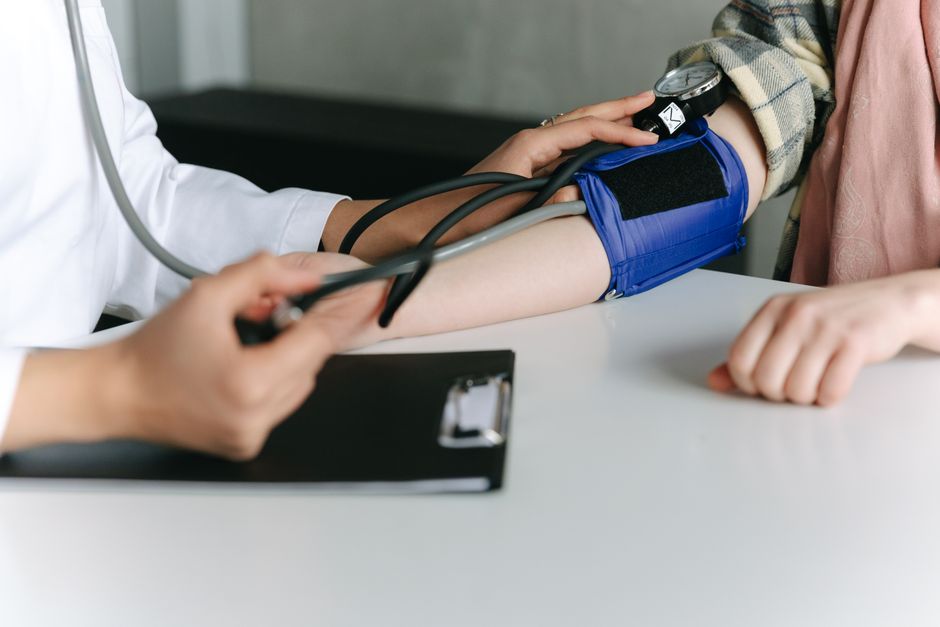
Blood pressure is considered too low when it drops below 90/60 mmHg. That number matters most when it comes with symptoms — dizziness, fainting, blurry vision, confusion, or fatigue that makes normal activity hard. Without symptoms, a reading under 90/60 may be normal for you, especially if you are young, fit, or take no medications.
What Is Considered Too Low For Blood Pressure?
The medical threshold for low blood pressure, called hypotension, is a reading below 90/60 mmHg. This is the standard definition used in clinical practice.
But a number alone does not make a diagnosis. Blood pressure is a moving target. It changes with posture, time of day, hydration, temperature, stress, and whether you just stood up or just ate. A single low reading in a relaxed moment is not the same as a pattern of low readings causing symptoms.
Doctors generally treat low blood pressure as a problem only when it produces symptoms or when it drops suddenly. A healthy 25-year-old with a resting pressure of 85/55 and no complaints is not sick. An 80-year-old whose pressure falls to 85/55 after standing up and who feels faint is a different situation entirely.
There is also a difference between chronic low blood pressure and a sudden drop. Long-standing low readings are often harmless. A sharp fall — from any starting point — can be a medical emergency.
What Counts as Dangerously Low Blood Pressure?
There is no single number that defines a dangerous blood pressure for everyone. What makes a reading dangerous is how the body responds to it.
When blood pressure falls too far, organs may not get enough blood flow. The brain is especially sensitive. That is why fainting, confusion, and blurred vision are warning signs. In severe cases, blood pressure can drop low enough to cause shock — a condition where vital organs are starved of oxygen and the body begins to fail.
Signs that a low reading needs emergency care include:
- Fainting or loss of consciousness
- Confusion or trouble speaking
- Chest pain
- Rapid, shallow breathing
- Cold, clammy, pale skin
- Weak and rapid pulse
- Very little urine output
These signs point to shock and require immediate medical attention. Do not wait to see if they pass.
For someone with a known baseline, a drop of 20 mmHg or more in systolic pressure (the top number) from their usual reading is worth noting — especially if symptoms appear. That kind of change can happen with dehydration, bleeding, infection, or a reaction to medication.
What Causes Low Blood Pressure?
Low blood pressure has many possible causes. Some are harmless. Others are serious.
Dehydration is one of the most common. When you lose more fluid than you take in — through vomiting, diarrhea, heavy sweating, or fever — blood volume drops. Less fluid in the vessels means lower pressure.
Medications are another frequent cause. Drugs that lower blood pressure, treat heart conditions, or affect the nervous system can push readings too low. This includes some diuretics, beta-blockers, calcium channel blockers, certain antidepressants, and drugs used for Parkinson’s disease.
Heart problems can also be responsible. A very slow heart rate, heart valve disease, heart attack, or heart failure can all reduce the heart’s ability to pump blood effectively.
Endocrine conditions may play a role. Thyroid disorders, adrenal insufficiency (Addison’s disease), and low blood sugar can all contribute to low readings.
Severe infection, allergic reaction (anaphylaxis), and blood loss can cause rapid and dangerous drops. These are emergencies.
Some people simply have low blood pressure as their normal state. It runs in families and is more common in people who are physically fit.

What Is Orthostatic Hypotension?
Orthostatic hypotension is a drop in blood pressure that happens when you stand up from sitting or lying down. It is one of the most common forms of low blood pressure.
The definition is specific: a fall of at least 20 mmHg in systolic pressure or at least 10 mmHg in diastolic pressure (the bottom number) within three minutes of standing. This is a well-established clinical criterion.
When you stand, gravity pulls blood downward into your legs. Normally, your body compensates by tightening blood vessels and increasing heart rate to keep blood flowing to your brain. If that response is too slow or too weak, pressure drops and you feel dizzy or faint.
Orthostatic hypotension becomes more common with age. It is also associated with dehydration, certain medications, diabetes, and nervous system disorders. Some people experience it after eating a large meal — a related condition called postprandial hypotension.
If you feel lightheaded when standing, tell your doctor. It is a symptom worth evaluating, not something to ignore.
What Is Neurally Mediated Hypotension?
Neurally mediated hypotension is a type of low blood pressure caused by a miscommunication between the heart and brain. It is more common in younger people and often triggered by standing for long periods.
In this condition, the nervous system signals a drop in blood pressure when there isn’t one. The heart slows and blood vessels widen, causing pressure to fall. Symptoms include dizziness, nausea, and fainting.
It is sometimes confused with other conditions that cause fainting. Diagnosis usually involves a tilt-table test, where blood pressure and heart rate are monitored as the table is tilted to simulate standing.
This form of low blood pressure is generally not dangerous to the heart, but it can cause falls and injuries from fainting. Treatment focuses on lifestyle measures and, in some cases, medication.
When Should You See a Doctor?
See a doctor if low blood pressure comes with symptoms. That is the clearest signal that something needs attention.
Pay attention to:
- Dizziness or lightheadedness that keeps happening
- Fainting or near-fainting
- Blurred or fading vision
- Fatigue that is new or unusual for you
- Nausea
- Difficulty concentrating
- Cold, clammy skin
Also see a doctor if your blood pressure has dropped suddenly, even without symptoms. A change from your normal reading can be meaningful.
If you take medication for high blood pressure and your readings have become low, do not stop the medication on your own. Call your doctor. They may adjust the dose or change the drug. Stopping suddenly can cause problems.
If you have symptoms of shock — confusion, rapid breathing, cold and clammy skin, weak pulse — call 911. That is an emergency.
How Is Low Blood Pressure Treated?
Treatment depends on the cause and whether symptoms are present. If there are no symptoms, treatment is usually not needed.
When treatment is needed, the first steps are often simple. Drinking more water can help increase blood volume. Adding more salt to your diet may be recommended — but only under a doctor’s guidance, because high sodium can cause problems for some people, including those with heart or kidney conditions.
Compression stockings can help prevent blood from pooling in the legs. Rising slowly from sitting or lying positions can reduce dizziness. Eating smaller, more frequent meals may help if large meals trigger symptoms.
If lifestyle measures are not enough, doctors may prescribe medication. Options include drugs that narrow blood vessels or increase blood volume. The choice depends on the underlying cause.
Some clinicians recommend increasing caffeine intake for mild cases, though the evidence for this is limited. It is not a standard treatment.
For orthostatic hypotension, your doctor may also review your current medications to see if any are contributing. Adjusting or switching drugs can sometimes solve the problem.
Does Low Blood Pressure Always Need Treatment?
No. Low blood pressure without symptoms usually does not need treatment. In fact, people with naturally low readings often have better cardiovascular health than those with high-normal readings.
The key distinction is between a number and a problem. A number below 90/60 is low by definition. Whether it is a problem depends on symptoms, the cause, and how long it has been that way.
Some research suggests that very low blood pressure in older adults may be associated with falls and fractures, particularly when it causes dizziness. But the evidence here is not as clear-cut as it is for high blood pressure, where the risks are well established.
If you have low blood pressure and feel fine, there is generally nothing to fix. If you have low blood pressure and feel unwell, that is when it matters.
Frequently Asked Questions
What is considered too low for blood pressure?
Blood pressure below 90/60 mmHg is considered low. It becomes a concern when it causes symptoms like dizziness, fainting, or fatigue.
Is 90/60 a dangerous blood pressure?
Not necessarily. A reading of 90/60 is at the low end of normal and may be fine if you have no symptoms. It is only dangerous if it drops further or causes problems.
What should I do if my blood pressure drops suddenly?
If you feel faint, lie down and raise your legs above heart level, then drink water. If symptoms include confusion, chest pain, or rapid breathing, call 911 immediately.
Can low blood pressure be cured?
Low blood pressure is usually managed rather than cured, and treatment depends on the cause. Many people with naturally low readings need no treatment at all.
