
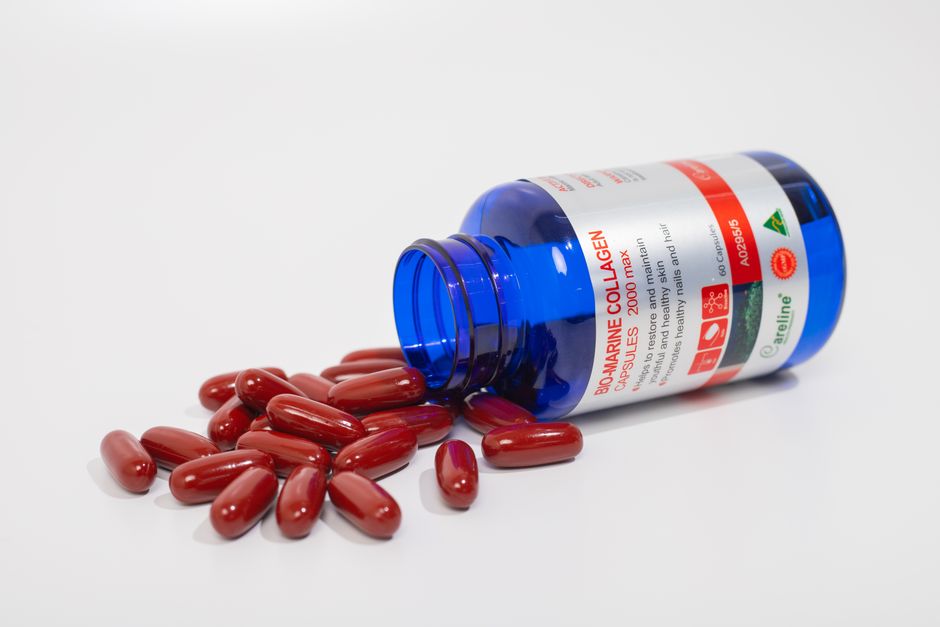
Collagen is the most abundant protein in the human body, and it acts as the main structural scaffold for your skin. In simple terms, it is a fibrous protein that gives skin its firmness, elasticity, and youthful shape. When collagen levels are healthy, skin looks plump and smooth. When collagen breaks down faster than the body can rebuild it, skin begins to sag and wrinkle. This process is natural, but understanding how it works helps you make better choices about skin care and overall health.
What Is Collagen as a Fibrous Protein?
Collagen is a long, rope-like protein made of amino acids, primarily glycine, proline, and hydroxyproline. These amino acids are woven together into triple helices, which are then bundled into strong fibers. This structure is what makes collagen so tough and resilient. It is the reason tendons can stretch, ligaments can hold joints together, and skin can withstand daily movement without tearing.
There are at least 28 known types of collagen in the human body. Type I collagen accounts for about 90% of the body’s total collagen and is the dominant type in skin, bones, and tendons. Type III collagen is also found in skin, especially in younger skin, and is often associated with flexibility. When researchers measure skin aging, they are often looking at the ratio and quality of these two types.
The body synthesizes collagen constantly, but the process slows with age. Fibroblasts are the cells responsible for making collagen in the skin. These cells become less active over time, and the collagen they do produce becomes less organized. This is a normal biological shift, not a sign that something is wrong.
What Role Does Collagen Play in Skin Structure?
Collagen sits in the dermis, the middle layer of the skin, where it forms a dense network of fibers. This network acts like a mattress frame that supports the epidermis, the outermost layer you see and touch. Without a strong collagen framework, the skin would collapse inward, causing visible sagging and deep creases.
Collagen works alongside two other key proteins: elastin and fibrillin. Elastin gives skin the ability to snap back after being stretched, while collagen provides the stiffness that prevents overstretching. Together, they create the mechanical properties that keep skin firm yet flexible. When collagen degrades, elastin has less support, and the skin loses both firmness and resilience at the same time.
Skin thickness also depends on collagen. The dermis thins as collagen production declines, which contributes to the translucent, fragile appearance of older skin. This thinning is most noticeable on the backs of the hands, the forearms, and around the cheeks. Maintaining collagen is not just about wrinkles; it is about preserving the structural integrity of the skin as an organ.
What Causes Collagen Loss in the Skin?
Aging is the most significant driver of collagen loss. After around age 25, the body produces roughly 1% less collagen in the skin each year. By age 50, many people have lost a substantial portion of their dermal collagen. This decline is genetically programmed, but lifestyle factors can accelerate or slow it.
Sun exposure is the single most preventable cause of collagen breakdown. Ultraviolet radiation penetrates the dermis and triggers enzymes called matrix metalloproteinases, or MMPs. These enzymes literally chop up collagen fibers. Repeated sun exposure creates a state where collagen degradation outpaces production, leading to a condition called photoaging. Photoaged skin often looks leathery and coarse, distinct from the fine wrinkles of naturally aged skin.
Smoking is another major contributor. Tobacco smoke contains chemicals that damage collagen and reduce blood flow to the skin. Reduced blood flow means fewer nutrients reach the fibroblasts, impairing their ability to repair damaged collagen. Smoking also generates free radicals, unstable molecules that attack collagen directly. The combination of these effects is why smokers often develop premature wrinkles around the mouth and eyes.
High sugar intake can also harm collagen through a process called glycation. When excess sugar molecules bind to collagen fibers, they form advanced glycation end products, or AGEs. AGEs make collagen stiff and brittle, reducing its flexibility. This process is slow but cumulative, and it contributes to the yellowed, rigid skin seen in some older adults.





Can You Rebuild Lost Collagen in the Skin?
The skin can produce new collagen, but the rate is slow and declines with age. The most effective way to stimulate collagen production is to trigger a controlled wound-healing response. This is the principle behind many dermatological treatments. Microneedling, laser resurfacing, and chemical peels all create microscopic injuries in the skin that prompt fibroblasts to ramp up collagen synthesis.
Topical retinoids are among the most studied ingredients for collagen support. Retinoids, derived from vitamin A, penetrate the skin and bind to receptors on fibroblasts. This binding signals the cells to increase collagen production and slow its breakdown. Clinical studies have consistently shown that regular use of prescription-strength retinoids improves the appearance of fine lines and skin texture over several months.
Vitamin C is also essential for collagen synthesis. The body cannot make collagen without it, because vitamin C is a required cofactor for the enzymes that stabilize the collagen molecule. Topical vitamin C has been shown to support collagen production when applied consistently. However, vitamin C is unstable and degrades quickly when exposed to light and air, so formulation matters.
Oral collagen supplements are a different story. The evidence is mixed. Some studies suggest that hydrolyzed collagen peptides can increase skin hydration and elasticity, while others show minimal effect. The mechanism is plausible: collagen peptides are broken down into amino acids and small peptides that may signal the body to produce more collagen. But no large, long-term human trials have confirmed that oral collagen supplements meaningfully reverse skin aging. Some research supports modest benefits, but the effect is not dramatic.
How Does Collagen Loss Compare Across Skin Types?
Skin thickness and collagen content vary by ethnicity and genetics. People with darker skin types, classified as Fitzpatrick types IV through VI, typically have more compact dermal collagen. This means they often show visible signs of aging later than people with lighter skin. However, when collagen loss does occur, it may present differently, often as uneven pigmentation rather than fine lines.
Hormonal changes also affect collagen. Estrogen plays a protective role in skin collagen maintenance. After menopause, estrogen levels drop sharply, and women can lose up to 30% of dermal collagen in the first five years after menopause. This is why skin thinning and wrinkling often accelerate in women during their 50s. Hormone replacement therapy can slow this process, but it is not recommended solely for skin benefits due to systemic risks.
What Lifestyle Habits Protect Existing Collagen?
Sun protection is the most effective strategy. Daily use of a broad-spectrum sunscreen with SPF 30 or higher reduces ultraviolet damage to collagen. Sunscreen should be applied to all exposed skin, not just the face. The neck, chest, and hands are common sites of photoaging and are often neglected.
A balanced diet provides the building blocks for collagen. Protein-rich foods supply the amino acids needed for synthesis. Foods high in vitamin C, such as citrus fruits, bell peppers, and broccoli, support the enzymatic reactions that stabilize collagen. Copper and zinc are also involved in collagen cross-linking, and these minerals are found in nuts, seeds, and shellfish.
Sleep matters more than many people realize. During deep sleep, the body releases growth hormone, which stimulates collagen production. Chronic sleep deprivation is associated with increased signs of skin aging, including fine lines and uneven tone. The exact mechanism is not fully understood, but the association is consistent across studies.
Stress management may also help. Cortisol, the primary stress hormone, can break down collagen when levels remain chronically elevated. This is not a reason to panic about occasional stress, but it is another reason to prioritize recovery and relaxation as part of a skin health routine.
Frequently Asked Questions
What is the difference between collagen and elastin?
Collagen provides firmness and structure, while elastin allows skin to stretch and snap back. Both are fibrous proteins in the dermis, and they work together to keep skin strong and flexible.
Can collagen creams actually improve skin?
Collagen molecules are too large to penetrate the skin’s outer barrier, so collagen creams do not add collagen directly. However, they can moisturize the skin, which temporarily plumps fine lines, and some creams contain peptides that may stimulate collagen production over time.
At what age should you start using collagen-supporting products?
Most dermatologists suggest starting a retinoid and daily sunscreen in your late 20s or early 30s. This is when natural collagen production begins to slow, and prevention is more effective than trying to rebuild lost collagen later.
Does drinking bone broth boost collagen levels?
Bone broth contains collagen and amino acids, but the body breaks them down during digestion. It is unclear whether these components are reincorporated into skin collagen. Some research suggests benefit, but the evidence is not strong enough to make bone broth a reliable skin treatment.
