
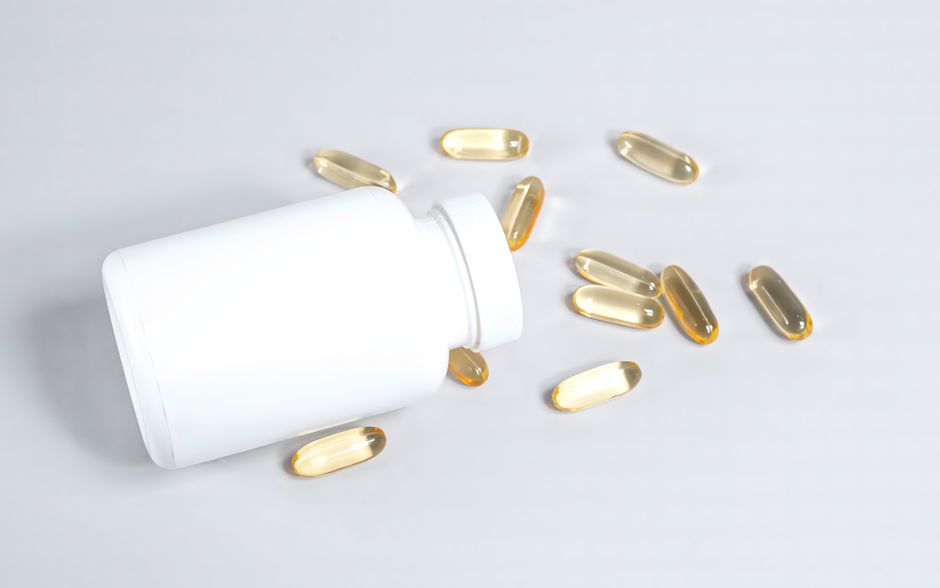
Colestipol is a prescription medication that lowers cholesterol by binding to bile acids in the intestine. It belongs to a class of drugs called bile acid sequestrants. While its primary use is treating high cholesterol, it has a well-documented secondary use: managing chronic diarrhea, particularly diarrhea caused by bile acid malabsorption. In short, it treats high cholesterol and a specific type of diarrhea, and it has a few other established uses.
How Does Colestipol Work in the Body?
To understand what colestipol does, you need to know about bile acids. Your liver makes bile acids from cholesterol. These acids help you digest fats. After they help with digestion, most of them are reabsorbed in the lower part of your intestine and sent back to the liver.
Colestipol works by grabbing onto these bile acids in the intestine. It forms a bond that prevents them from being reabsorbed. Instead, they pass out of your body in your stool.
When bile acids leave the body, your liver has to make new ones. To do that, it pulls cholesterol from your blood. This lowers the cholesterol level in your bloodstream. That is the mechanism behind its cholesterol-lowering effect.
This same binding action is why it helps with diarrhea. When too many bile acids reach the colon, they cause water to accumulate. This leads to loose, watery stools. By binding the bile acids, colestipol stops them from reaching the colon, which reduces that water buildup and firms up the stool.
What Is Colestipol Used For Cholesterol Diarrhea More?
The main approved use for colestipol is lowering LDL cholesterol, often called “bad” cholesterol. It is typically prescribed when diet and exercise alone have not been enough to bring cholesterol down to a healthy level.
Its use for diarrhea is also well established, though it is considered an off-label use. That means the FDA has not formally approved it for diarrhea, but doctors have prescribed it for this purpose for decades. The strongest evidence for this use is in people with bile acid diarrhea, a condition where the body produces too many bile acids or fails to reabsorb them properly.
There are other uses as well. Colestipol can help relieve itching caused by partial bile duct obstruction. It can also be used in a rare genetic condition called familial hypercholesterolemia, where cholesterol levels are dangerously high from birth. In some cases, it is used to help manage high thyroid hormone levels, though this is less common today.
Who Is a Candidate for Colestipol?
Doctors typically consider colestipol for people with high LDL cholesterol who cannot take statins. Statins are usually the first choice for lowering cholesterol. But some people experience muscle pain or other side effects from statins. For those people, colestipol is a reasonable alternative.
For diarrhea, the picture is different. Colestipol is not a first-line treatment for general diarrhea. It is specifically useful when the diarrhea is caused by bile acid malabsorption. This often happens after gallbladder removal surgery or in people with Crohn’s disease. It can also happen without any clear cause, a condition called idiopathic bile acid diarrhea.
Before prescribing colestipol for diarrhea, a doctor will usually try to rule out other causes. Infections, food intolerances, and other digestive conditions can all cause chronic diarrhea. Colestipol will not help those.


What Are the Common Side Effects?
Because colestipol works in the digestive tract and is not absorbed into the bloodstream, its side effects are mostly gastrointestinal. The most common ones include constipation, bloating, nausea, and gas.
Constipation is the most frequent complaint. It can be severe in some people. Your doctor may recommend increasing water intake or using a stool softener if constipation becomes a problem.
Colestipol can also interfere with the absorption of certain vitamins. Specifically, it can reduce levels of fat-soluble vitamins, which include vitamins A, D, E, and K. Long-term use may require monitoring of these vitamin levels. Some doctors recommend a supplement, but you should never take one without discussing it with your doctor first.
Important Drug Interactions You Should Know
Colestipol binds to many things in the intestine, not just bile acids. This means it can prevent other medications from being absorbed properly. If you take other medications, colestipol can make them less effective.
Some of the medications that can be affected include thyroid hormone replacement, digoxin, warfarin, and certain diuretics. It can also reduce the absorption of some vitamins and iron supplements.
The standard advice is to take other medications either 1 hour before or 4 hours after taking colestipol. This timing helps reduce the chance of interaction. However, you should always follow the specific instructions your pharmacist or doctor gives you. Different medications may have different timing requirements.
This is one of the most important things to understand about colestipol. It is not a “set it and forget it” medication. You and your doctor need to carefully manage the timing of all your other medications.
How Is Colestipol Taken?
Colestipol comes in two forms: a powder and a tablet. The powder must be mixed with liquid before taking. It should not be taken dry. The tablet form is newer and may be easier for some people to take.
The dose varies from person to person. Your doctor will start you at a low dose and increase it gradually. This helps reduce gastrointestinal side effects. For cholesterol, the dose may be adjusted based on your blood test results. For diarrhea, the dose is often adjusted based on how much your symptoms improve.
It is important to take colestipol exactly as prescribed. Do not stop taking it without talking to your doctor first. Stopping suddenly can cause your cholesterol to rise back up or your diarrhea to return.
What Does the Evidence Say About Effectiveness?
The evidence for colestipol lowering cholesterol is strong. It has been studied for decades and consistently shows meaningful reductions in LDL cholesterol. Research published in major medical journals has confirmed its effectiveness.
The evidence for colestipol in treating bile acid diarrhea is also solid, though the studies are smaller. Clinical experience supports its use, and it is widely considered a standard treatment for this condition. Many patients see significant improvement in stool frequency and consistency within days to weeks.
That said, colestipol does not work for every type of diarrhea. If your diarrhea is not related to bile acids, it is unlikely to help. This is why getting a proper diagnosis is so important before starting treatment.
One thing to note: colestipol is generally less effective at lowering cholesterol than statins. It might lower LDL cholesterol by 15-25 percent, depending on the dose. Statins typically lower it more. This is why colestipol is often used in combination with other medications rather than alone.
Lifestyle Factors That Support Treatment
Medication alone is rarely the whole answer. For cholesterol, diet matters. Reducing saturated fats and increasing soluble fiber can enhance the effect of colestipol. Foods like oats, beans, and apples contain soluble fiber, which also binds bile acids.
For diarrhea, keeping a food diary can help identify triggers. Some people find that fatty meals worsen their symptoms. Eating smaller, more frequent meals may also help.
Hydration is important for both conditions. If you have diarrhea, you are losing fluids. If you are constipated from colestipol, you need more fluids. Water is the best choice.
When to Talk to Your Doctor
You should not start colestipol on your own. It is a prescription medication, and it requires proper medical supervision. If you have high cholesterol or chronic diarrhea, make an appointment with your doctor.
During the appointment, be honest about all medications and supplements you take. This includes over-the-counter drugs and herbal products. Because colestipol interacts with so many things, a complete list is essential.
If you are already taking colestipol and notice severe constipation, unusual bleeding, or persistent nausea, contact your doctor. These can be signs of a problem that needs attention.
Frequently Asked Questions
Can colestipol be used for diarrhea not caused by bile acids?
No, colestipol only helps diarrhea caused by bile acid malabsorption. Other causes of diarrhea, such as infections or food intolerances, will not improve with this medication.
How long does it take for colestipol to work for diarrhea?
Many people notice improvement within a few days to a couple of weeks. Your doctor may adjust your dose gradually to find the level that controls symptoms with the fewest side effects.
Is colestipol safe to take long-term?
Yes, it has been used for decades as a long-term treatment. However, long-term use requires monitoring of fat-soluble vitamin levels, and you should have regular follow-up with your doctor.
Can I take colestipol with other cholesterol medications?
Yes, it is often combined with statins or other cholesterol drugs. The timing of doses matters because colestipol can reduce absorption of other medications, so follow your doctor’s instructions carefully.
