
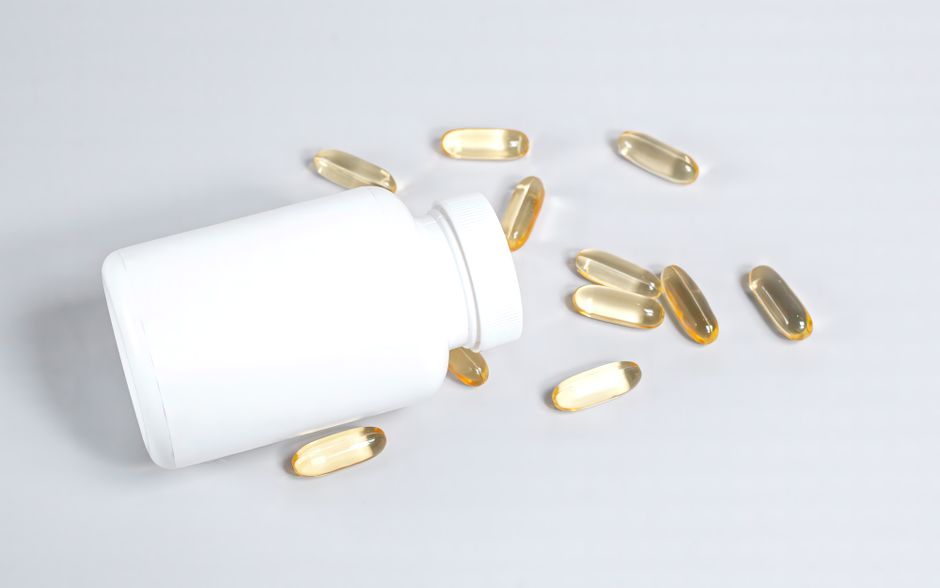
Omega-3 fatty acids are well known for their heart health benefits, but the effect on your cholesterol numbers is more specific than you might think. They significantly lower triglycerides, raise HDL slightly, and may increase LDL in some people. If you are looking to improve your overall lipid profile, omega-3s are a tool for triglycerides, not a fix for high LDL.
How Omega-3 Affects Triglycerides
The strongest evidence for omega-3 is its effect on triglycerides. Triglycerides are a type of fat in your blood that the body uses for energy. High levels increase the risk of heart disease and pancreatitis. Omega-3 fatty acids, especially EPA and DHA from fish oil, lower triglyceride levels by reducing the liver’s production of VLDL particles, which carry triglycerides.
Research consistently shows that taking 2 to 4 grams of EPA and DHA per day can lower triglycerides by 20 to 50 percent. The higher the starting triglyceride level, the greater the drop. The American Heart Association recommends this dose for people with very high triglycerides (500 mg/dL or higher).
This effect is dose-dependent. A standard one-gram fish oil capsule provides roughly 300 to 500 mg of EPA and DHA combined, so therapeutic doses often require four or more capsules daily. Prescription fish oil products like Lovaza or Vascepa deliver higher and more consistent doses.
Does Omega-3 Improve HDL or LDL?
HDL is often called “good” cholesterol because it helps remove excess cholesterol from the bloodstream. Omega-3s raise HDL modestly, typically by 1 to 5 percent. This increase is small compared to the triglyceride reduction and is not a primary reason to take omega-3s.
The effect on LDL is more complex. High doses of omega-3s can raise LDL in some people, especially those with very high triglycerides. When triglycerides drop sharply, the LDL particles may shift from small, dense forms to larger, fluffier ones. The total LDL number may increase even though the change in particle size could be less harmful. Not all physicians agree on the clinical significance of this shift. For most people, the net effect on non-HDL cholesterol (which includes LDL and VLDL) is neutral or slightly beneficial.
If you have elevated LDL, omega-3 should not be your primary treatment. Statins or lifestyle changes are more effective for lowering LDL. Omega-3s work best alongside a statin, not as a replacement.
What Type of Omega-3 Matters Most: EPA, DHA, or ALA?
Three main types of omega-3s exist: EPA and DHA from marine sources, and ALA from plant sources like flaxseed and walnuts. For improving triglycerides and HDL, EPA and DHA are the ones with strong evidence. ALA has a much weaker effect on blood lipids because the body converts only about 5 to 15 percent of ALA into EPA, and even less into DHA.
Prescription products often contain either pure EPA (icosapent ethyl) or a mix of EPA and DHA. A large trial called REDUCE-IT tested high-dose EPA (4 grams daily) in people with high triglycerides who were already on statins. It found a significant reduction in cardiovascular events. That result does not directly apply to over-the-counter fish oil, which contains both EPA and DHA at lower doses.
If you take a standard fish oil supplement, you get a mix. If you are vegan or avoid fish, algae-based DHA supplements exist but are less studied for triglyceride lowering. No plant-based ALA supplement has been shown to meaningfully lower triglycerides or raise HDL in large trials.





How Much Omega-3 Do You Need for Lipid Benefits?
Clinical guidelines for high triglycerides recommend 2 to 4 grams of combined EPA and DHA per day. This is a prescription-level dose. Over-the-counter supplements vary widely in their actual EPA and DHA content. You have to read labels carefully. Many “1000 mg fish oil” capsules contain only 300 mg of combined omega-3s. To reach 2 grams of EPA and DHA, you may need six or more capsules daily.
At such high doses, side effects like burping, nausea, and fishy aftertaste are common. Taking the capsules with meals or freezing them can help. Blood thinning is a concern at very high doses, especially if you take blood thinners like warfarin. Always discuss high-dose omega-3 with your doctor before starting.
For general health without high triglycerides, the typical recommendation is 500 to 1000 mg of combined EPA and DHA daily. This dose supports heart health but will not produce large changes in your cholesterol or triglyceride numbers.
What Does the Research Say About Omega-3 and Heart Health?
Several large trials have tested omega-3 supplements for preventing heart attacks and strokes. The results are mixed. Some older studies showed a benefit, while newer ones with statin-treated patients often showed no clear advantage for standard fish oil.
The REDUCE-IT trial (published in the New England Journal of Medicine) changed the discussion. It used a high-dose, purified EPA product and found a 25 percent reduction in major cardiovascular events compared to placebo. However, the mineral oil placebo used in that study may have raised LDL in the control group, which could overstate the EPA benefit. A subsequent trial called STRENGTH tested a different EPA/DHA combination and did not find the same benefit. The issue remains debated.
What this means for you: if you have high triglycerides and are on a statin, your doctor may consider a prescription EPA product. For people with normal triglycerides, the evidence for taking a fish oil supplement to prevent heart disease is weak. A healthy diet with fatty fish twice a week is generally recommended instead.
Is Omega 3 Good For Cholesterol Triglycerides To Hdl?
Omega-3 is good for lowering triglycerides, modestly good for raising HDL, and neutral or slightly negative for LDL. It is not a complete solution for all lipid problems. If your main issue is high LDL, omega-3 is not the answer. If your main issue is high triglycerides with low HDL, omega-3 can be a valuable part of your treatment plan, especially at higher doses and in combination with lifestyle changes and other medications as needed.
Are There Risks to Taking Omega-3 Supplements?
Omega-3 supplements are generally safe for most people at recommended doses. Common side effects include a fishy aftertaste, burping, and loose stools. Taking them with food or choosing enteric-coated capsules can reduce these problems.
Higher doses (above 3 grams per day) may increase the risk of bleeding, especially if you take blood thinners or have a bleeding disorder. Because of this, some surgical patients are advised to stop high-dose fish oil a week before a procedure. The FDA considers up to 3 grams per day of EPA and DHA from supplements safe for most adults. Doses above that should only be taken under medical supervision.
Another concern is oxidation. Omega-3 fats are polyunsaturated and can go rancid. Rancid fish oil may cause oxidative stress rather than benefit. Choosing reputable brands that test for freshness and storing oil in the refrigerator helps.
Can Diet Alone Give You Enough Omega-3 for Lipid Benefits?
Eating fatty fish like salmon, mackerel, sardines, and herring two to three times per week provides roughly 1 to 2 grams of EPA and DHA per week. That is enough for general heart health but not enough to significantly lower high triglycerides. To achieve therapeutic doses, you would need to eat fish daily or take a concentrated supplement.
Plant-based sources like flaxseeds, chia seeds, and walnuts provide ALA. As noted, ALA does not effectively lower triglycerides in most people. If you do not eat fish and have high triglycerides, an algae-based DHA supplement may offer some benefit, but evidence is limited.
Dietary changes that lower triglycerides independently include reducing sugar and refined carbs, losing weight, and limiting alcohol. These steps often work well alongside omega-3 supplementation.
Frequently Asked Questions
Can omega-3 supplements replace statins for high cholesterol?
No. Omega-3 does not lower LDL cholesterol effectively. Statins remain the standard treatment for high LDL.
Is fish oil better than krill oil for lowering triglycerides?
Both contain EPA and DHA, but fish oil typically provides a higher dose per capsule. Krill oil often has lower total EPA and DHA, making it less practical for reaching therapeutic doses.
How long does it take for omega-3 to lower triglycerides?
Significant reductions usually appear within 3 to 4 months of consistent daily supplementation at an effective dose.
Should I take prescription fish oil instead of over-the-counter supplements?
Prescription products provide a reliable, high dose of EPA and DHA and are FDA-approved for treating high triglycerides. Over-the-counter supplements vary widely and may not contain the labeled amount.
