
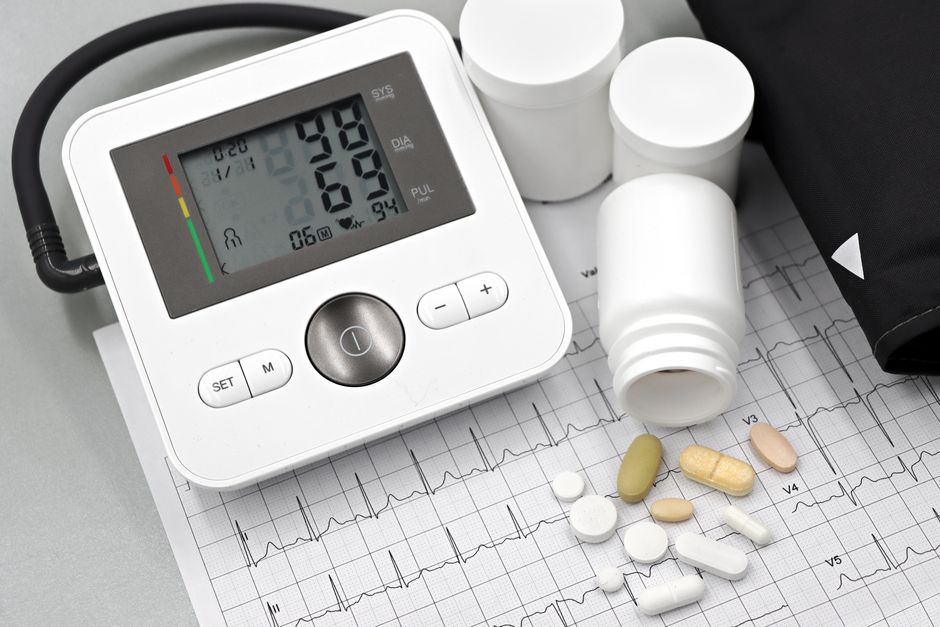
VLDL cholesterol is the “very low-density lipoprotein” that carries triglycerides through your bloodstream. The “CAL” in a lipid panel result stands for “calculated,” meaning the lab estimated your VLDL number using a standard formula rather than measuring it directly. Most labs calculate VLDL by dividing your triglyceride level by five, which works well when triglycerides are under 400 mg/dL.
What Is VLDL Cholesterol and Why Does It Matter?
VLDL is one of the main types of cholesterol that travels in your blood. It is made in the liver and its main job is to carry triglycerides — a type of fat — to tissues throughout your body where they can be used for energy or stored.
VLDL is often called “bad cholesterol” alongside LDL. High levels of VLDL are linked to a higher risk of plaque buildup in your arteries. That plaque can narrow blood vessels and increase your risk of heart attack or stroke over time.
Unlike LDL, which carries mostly cholesterol, VLDL carries mostly triglycerides. When your body has more triglycerides than it needs, VLDL particles become larger and more numerous. This is why VLDL and triglycerides tend to rise and fall together.
How Is VLDL Cholesterol Calculated?
Most standard lipid panels do not measure VLDL directly. Instead, they calculate it using a formula first described by Dr. William Friedewald in 1972. The formula assumes that the amount of cholesterol in VLDL is roughly one-fifth of your total triglyceride level.
The calculation works like this: VLDL = Triglycerides ÷ 5. Both values are measured in milligrams per deciliter (mg/dL).
This formula is reliable when your triglyceride level is below 400 mg/dL. If your triglycerides are above that threshold, the calculation becomes inaccurate and most labs will report VLDL as “not calculated” or leave it blank.
Some newer methods use a direct measurement of VLDL, but the calculated method remains the standard in most clinical settings. Direct measurement is more accurate but costs more and is not routinely ordered.
What Is a Normal VLDL Cholesterol Range?
A normal VLDL level is generally considered to be between 2 and 30 mg/dL. Values above 30 mg/dL are typically flagged as high.
Because VLDL is calculated from triglycerides, a healthy VLDL level depends on keeping triglycerides in a healthy range. Normal fasting triglycerides are below 150 mg/dL. Borderline high is 150 to 199 mg/dL. High is 200 to 499 mg/dL. Very high is 500 mg/dL or above.
Your VLDL number is usually reported alongside your total cholesterol, LDL, HDL, and triglycerides. Doctors look at all of these together rather than focusing on any single number.



Why Is VLDL Cholesterol High?
Several factors can push VLDL levels up. The most common cause is excess calorie intake, especially from carbohydrates and alcohol. When you eat more calories than your body needs, the liver converts the extra energy into triglycerides and packages them into VLDL particles.
Other contributors include:
- Obesity or excess abdominal fat
- Type 2 diabetes or insulin resistance
- An underactive thyroid (hypothyroidism)
- Kidney disease
- Genetic conditions that affect fat metabolism
- Certain medications, including some diuretics and steroids
- Heavy alcohol use
Lifestyle factors play a major role. A diet high in refined carbohydrates and added sugars tends to raise triglycerides more than a diet high in dietary fat. Physical inactivity also contributes because muscles use less fat for fuel.
How Is High VLDL Treated or Lowered?
The most effective way to lower VLDL is to lower your triglycerides. The two approaches that work best are weight loss and reducing refined carbohydrate intake.
Losing 5 to 10 percent of your body weight can meaningfully reduce triglyceride levels. Even modest weight loss improves how your liver processes fat.
Cutting back on sugary drinks, desserts, white bread, and other refined carbohydrates often produces a rapid drop in triglycerides. Replacing some of those carbohydrates with unsaturated fats — such as olive oil, nuts, and fatty fish — can also help.
Regular aerobic exercise lowers triglycerides both acutely and over the long term. The American Heart Association recommends at least 150 minutes of moderate-intensity exercise per week for most adults, though individual recommendations vary.
Limiting alcohol is important. Alcohol raises triglyceride production in the liver, and even moderate drinking can push triglycerides up in sensitive individuals.
When lifestyle changes are not enough, medications may be considered. Fibrates, omega-3 fatty acid prescriptions, and niacin are options that specifically lower triglycerides. Statins are sometimes used but are more effective at lowering LDL than VLDL.
If you have diabetes, improving blood sugar control often improves triglyceride and VLDL levels as well. Insulin resistance is closely tied to how much VLDL the liver produces.
When Is the Calculated VLDL Not Accurate?
The Friedewald formula has known limitations. The most important one is the 400 mg/dL triglyceride threshold. Above this level, the formula underestimates or overestimates VLDL because the relationship between triglycerides and VLDL cholesterol is no longer linear.
Another limitation is that the formula assumes a fixed ratio of triglycerides to VLDL cholesterol. In reality, that ratio varies from person to person. People with certain genetic conditions, such as familial hypertriglyceridemia, may have a different ratio.
Non-fasting blood samples also affect the calculation. Triglycerides rise significantly after eating, which can inflate the calculated VLDL. For this reason, lipid panels are usually drawn after a 9 to 12 hour fast.
Some newer formulas, such as the Martin-Hopkins calculation, attempt to improve accuracy by using adjustable ratios. However, the Friedewald formula remains the most widely used method in clinical practice.
How Does VLDL Compare to LDL and HDL?
All three lipoproteins carry cholesterol, but they do different jobs. LDL carries cholesterol from the liver to cells. HDL carries excess cholesterol away from tissues and back to the liver for disposal.
VLDL is unique because it is the primary carrier of triglycerides. LDL contains very little triglyceride. HDL contains almost none.
High LDL is strongly linked to heart disease. High VLDL is also linked to heart disease, partly because VLDL particles can penetrate the artery wall and contribute to plaque. Some research suggests VLDL may be even more harmful than LDL on a per-particle basis, though this area is still being studied.
Low HDL is a risk factor for heart disease, while high HDL has historically been considered protective. Recent research has complicated this picture, and current guidelines focus more on lowering LDL and non-HDL cholesterol than on raising HDL.
Non-HDL cholesterol is your total cholesterol minus your HDL. It includes LDL, VLDL, and other atherogenic particles. Many doctors now use non-HDL cholesterol as a secondary treatment target because it captures the risk from both LDL and VLDL in one number.
Should You Ask Your Doctor About VLDL?
If your lipid panel shows a high VLDL number, it is worth discussing with your doctor. High VLDL rarely causes symptoms on its own, so you would not know about it without a blood test.
Your doctor will interpret your VLDL in the context of your full lipid panel, your medical history, and your other risk factors. A high VLDL with normal LDL and HDL is a different situation than high VLDL with high LDL and low HDL.
For most people, the practical takeaway is simple: if your triglycerides are high, your VLDL is high, and the same lifestyle changes address both. Focus on weight management, physical activity, and reducing refined carbohydrates and alcohol.
Frequently Asked Questions
What does CAL mean on a cholesterol test?
CAL stands for “calculated,” meaning the lab estimated your VLDL level using a formula instead of measuring it directly. The formula divides your triglyceride level by five.
Is a VLDL level of 30 mg/dL too high?
A VLDL level of 30 mg/dL is at the upper edge of the normal range. Most labs consider anything above 30 mg/dL to be high, so this value warrants attention to your triglyceride levels.
Can I lower my VLDL without medication?
Yes, many people lower VLDL through weight loss, reduced refined carbohydrate intake, regular exercise, and limiting alcohol. These lifestyle changes are usually the first line of treatment for high triglycerides.
Why is my VLDL not calculated on my lab report?
Your lab likely left VLDL blank because your triglycerides were above 400 mg/dL. The standard formula is not reliable at that level, so the lab cannot provide an accurate calculated value.
