
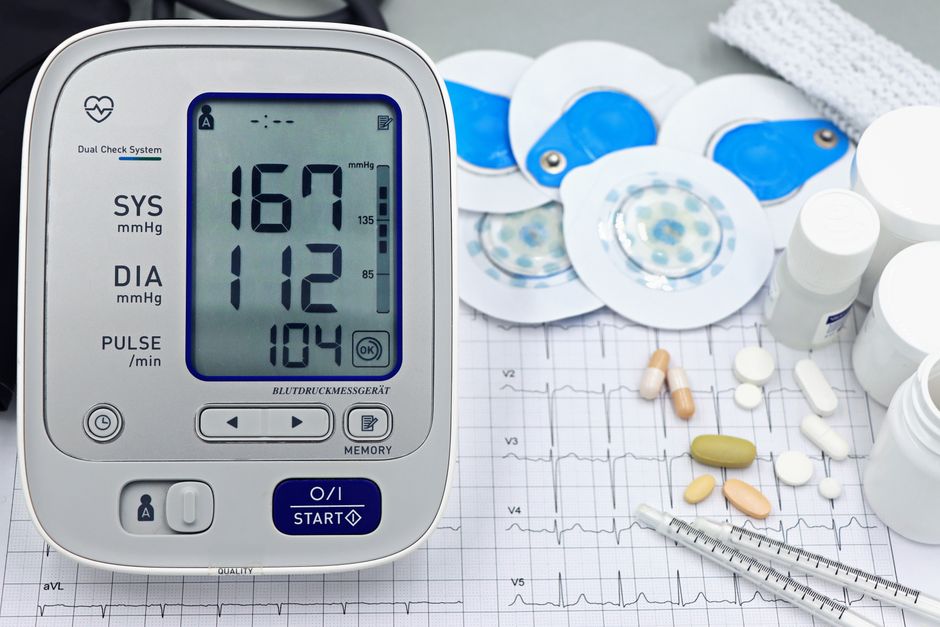
Many people worry that high cholesterol is causing their headaches or dizziness. The short answer is that cholesterol itself does not directly cause these symptoms. However, the long-term effects of high cholesterol can lead to serious conditions that do cause headaches and dizziness. Understanding the difference matters for your health and your peace of mind.
Can High Cholesterol Cause Headaches And Dizziness?
High cholesterol does not directly cause headaches or dizziness. There is no mechanism by which cholesterol molecules in your blood irritate nerves or affect balance centers in the brain. If you have high cholesterol and a headache, the two are likely unrelated.
But there is an important indirect connection. High cholesterol contributes to atherosclerosis, a condition where fatty plaques build up inside arteries. Over years, these plaques narrow blood vessels and reduce blood flow. When this happens in arteries feeding the brain, it can lead to serious events like a transient ischemic attack (TIA) or stroke. Both of these can cause sudden, severe headaches and dizziness.
So the honest answer is this: high cholesterol is a silent risk factor, not a direct symptom source. It raises your odds of developing vascular problems that cause headaches and dizziness, but it does not create those symptoms on its own.
What Does High Cholesterol Actually Do to Your Body?
Cholesterol is a waxy, fat-like substance your body needs to build cells and make hormones. Your liver produces all the cholesterol you need. The problem starts when extra cholesterol circulates in your blood, especially LDL cholesterol, often called “bad” cholesterol.
Over time, LDL cholesterol can lodge in the walls of arteries. Your immune system responds by sending white blood cells to digest the cholesterol. This creates a plaque — a mixture of cholesterol, fat, calcium, and cellular debris. Plaques stiffen arteries and narrow the passage for blood.
This process takes years or decades. It is why high cholesterol rarely causes symptoms until significant damage has already occurred. Most people with high cholesterol feel completely normal. The first symptom they experience may be a heart attack or stroke, not a headache.
Blood pressure often rises alongside atherosclerosis because the heart must pump harder to push blood through narrowed vessels. High blood pressure is a much more common direct cause of headaches than cholesterol itself.
When Headaches and Dizziness Signal a Serious Problem
If high cholesterol has already caused significant narrowing of the carotid arteries — the main arteries in your neck supplying the brain — you may experience symptoms. These are not ordinary headaches. They are warning signs of reduced blood flow to the brain.
Symptoms of a TIA or stroke can include a sudden, severe headache with no known cause. Dizziness, loss of balance, or difficulty walking can also occur. Other warning signs include sudden numbness or weakness on one side of the body, confusion, trouble speaking, or vision changes in one or both eyes.
A TIA is sometimes called a “mini-stroke.” Symptoms resolve within minutes to hours, but a TIA is a medical emergency because it strongly predicts a future full stroke. If you experience any of these symptoms, call emergency services immediately. Do not wait to see if they pass.
This is different from a typical tension headache or migraine. Those have their own causes, including stress, sleep problems, dehydration, and hormonal changes. They are not caused by cholesterol levels.
Other Causes of Headaches and Dizziness You Should Consider
Because high cholesterol rarely explains headaches or dizziness, it is worth considering more common causes. Headaches affect nearly everyone at some point. Dizziness is also extremely common and usually benign.
Common causes of headaches include tension, eye strain, sinus congestion, dehydration, and caffeine withdrawal. Migraines affect about 12 percent of the population and often include dizziness or vertigo as part of the attack. Certain foods, lack of sleep, and stress can trigger migraines in susceptible people.
Dizziness has many causes beyond vascular issues. Inner ear problems like benign paroxysmal positional vertigo (BPPV) are a leading cause of vertigo. Low blood sugar, dehydration, anemia, and certain medications can also cause lightheadedness. Anxiety and panic attacks frequently produce dizziness as a physical symptom.
Some medications used to treat high cholesterol can cause muscle pain, but headaches and dizziness are not common side effects of statins. If you started a new medication and noticed new symptoms, talk to your doctor. Do not stop taking prescribed medication without medical guidance.
When Should You See a Doctor?
You should have your cholesterol checked regularly, especially if you are over 40 or have risk factors like a family history of heart disease, diabetes, or smoking. A simple blood test called a lipid panel measures total cholesterol, LDL, HDL, and triglycerides.
Normal total cholesterol is below 200 mg/dL. LDL should ideally be below 100 mg/dL, though targets vary based on your individual risk. HDL, the “good” cholesterol, should be 60 mg/dL or higher. Triglycerides should be below 150 mg/dL. Your doctor will interpret these numbers in the context of your overall health.
If you have recurrent headaches or dizziness, see a doctor rather than assuming cholesterol is the cause. A thorough evaluation can identify the real source. This may include a physical exam, blood pressure measurement, and possibly imaging or blood tests depending on your symptoms and history.
Seek emergency care immediately if your headache is sudden and severe, if it follows a head injury, or if it comes with confusion, weakness, numbness, vision changes, or difficulty speaking. The same applies to dizziness accompanied by chest pain, shortness of breath, or fainting.
How to Lower Your Cholesterol and Protect Your Brain
Managing cholesterol is about preventing future problems, not treating current symptoms. The good news is that lifestyle changes can meaningfully lower cholesterol levels for many people.
Dietary changes are the foundation. Reducing saturated fats — found in red meat, full-fat dairy, and fried foods — can lower LDL cholesterol. Increasing soluble fiber, found in oats, beans, apples, and carrots, helps your body remove cholesterol. Omega-3 fatty acids from fish like salmon can support heart health.
Regular physical activity raises HDL cholesterol and helps manage weight. Aim for at least 150 minutes of moderate exercise per week. This can include brisk walking, cycling, or swimming. Even modest weight loss of 5 to 10 percent can improve cholesterol numbers.
Quitting smoking improves HDL levels and reduces cardiovascular risk. Limiting alcohol also helps. If lifestyle changes are not enough, your doctor may recommend medication. Statins are the most studied cholesterol-lowering drugs and have strong evidence for reducing heart attacks and strokes in people at elevated risk.
Managing blood pressure is equally important. High blood pressure and high cholesterol often occur together, and both damage blood vessels over time. A diet low in sodium, regular exercise, and stress management can help keep blood pressure in a healthy range below 120/80 mmHg.
Frequently Asked Questions
Can high cholesterol make you feel tired or fatigued?
High cholesterol itself does not directly cause fatigue. However, advanced atherosclerosis can reduce blood flow to organs, and the underlying cardiovascular disease can contribute to feelings of tiredness.
What does a cholesterol headache feel like?
There is no specific “cholesterol headache.” Headaches linked to high cholesterol are actually caused by stroke or TIA and feel like a sudden, severe headache unlike your usual headaches.
Can statins cause dizziness?
Dizziness is not a common side effect of statins. Muscle pain and digestive issues are more typical. If you experience dizziness after starting a statin, report it to your doctor.
How long does it take for high cholesterol to cause symptoms?
High cholesterol is silent for years or decades. It typically takes many years of elevated levels to cause enough plaque buildup to produce symptoms like stroke or heart attack.
