
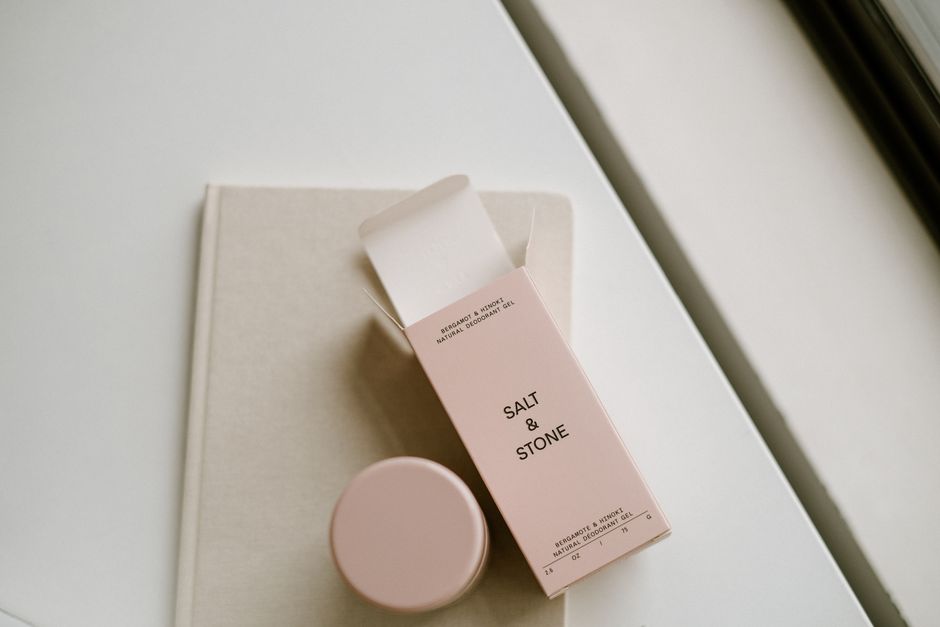
“Clean skincare” has no legal definition. No government agency regulates the term, no standard sets which ingredients qualify, and no certification body owns it. A product labeled “clean” is making a marketing claim, not a regulated one — and what counts as clean can differ from one brand to the next.
That gap between how the word sounds and what it actually means is worth understanding before you spend money on it. This article explains where the term came from, what the science does and does not say about ingredient safety, and how to read a label when “clean” is doing the talking.
What Is Clean Skincare No Official Rules Just Claims?
The term “clean beauty” started appearing in marketing around the mid-2010s. It was popularized largely by retailers and brands rather than by regulators or scientists. There is no single agreed list of “clean” ingredients, and no authority that decides who gets to use the label.
In the United States, cosmetics are regulated by the Food and Drug Administration. The FDA oversees cosmetics under the Federal Food, Drug, and Cosmetic Act. Importantly, the law does not require cosmetic products or ingredients to have FDA approval before they go to market (with the exception of color additives). The FDA also does not have a legal definition for “clean” or “natural” on a cosmetic label.
What this means in practice: if a brand says its product is “clean,” it is telling you something about its own standards, not about a government rule. Two “clean” brands can exclude completely different ingredients and still use the same word.
Where Did the “Clean” Label Come From?
The movement grew partly out of consumer concern about certain chemicals in personal care products. Some of that concern traces back to research on how certain substances behave in the body. Some of it traces back to marketing that framed “natural” and “chemical-free” as safer.
Here is a clarification worth holding onto: nothing is chemical-free. Water is a chemical. So is the oil in your moisturizer. The phrase “chemical-free” is scientifically meaningless, even though it appears on product packaging.
Over time, “clean” became a flexible marketing term. Brands use it to signal that they leave out certain ingredients — often a list that includes parabens, phthalates, sulfates, synthetic fragrance, or silicones. Which of these get excluded varies widely. The label tells you about a brand’s positioning more than it tells you about safety.
Are “Clean” Ingredients Actually Safer?
The evidence is mixed, and it does not line up neatly with the “clean” label. The honest position is that “natural” does not mean “safe,” and “synthetic” does not mean “unsafe.”
Many ingredients that occur in nature are toxic. Poison ivy is natural. So are arsenic and mercury. Meanwhile, many synthetic ingredients are well studied and have long safety records. The source of an ingredient — plant, lab, or mineral — says nothing on its own about whether it is safe for your skin.
Where the concern has more grounding is in specific ingredients, not in the broad natural-versus-synthetic split. A few examples where regulatory or scientific attention exists:
- Fragrance. “Fragrance” or “parfum” on a label can stand for a mix of many compounds, and the FDA does not require them to be listed individually. Fragrance is a common cause of allergic contact dermatitis, a skin reaction. This is a real, documented concern for some people.
- Preservatives. Parabens are among the most studied cosmetic preservatives. Some people avoid them based on concerns about hormone activity. Regulatory bodies in the US and EU have reviewed parabens and set limits on their use in cosmetics, and current assessments consider them safe at permitted levels. The evidence for harm at typical cosmetic exposure is limited, though some consumers choose to avoid them anyway.
- Certain allergens and irritants. Essential oils are often marketed as clean, but many are known skin sensitizers — meaning repeated exposure can trigger allergy. “Clean” does not mean “non-irritating.”
The key distinction is between a substance’s hazard (whether it can cause harm under some conditions) and your actual exposure (how much you contact and how). A hazard-based label like “clean” does not measure exposure. Risk depends on dose, concentration, and how a product is used.



Does “Clean” Skincare Work Better?
No. There is no evidence that “clean” products are more effective at treating skin concerns than products without the label. Effectiveness depends on the specific active ingredients and their formulation, not on whether a brand calls itself clean.
For example, a sunscreen’s protection depends on its tested SPF and broad-spectrum rating, not on whether it is marketed as “clean.” A moisturizer’s ability to reduce dryness depends on its humectants and emollients. A retinoid’s effect on skin aging depends on the specific compound and concentration. None of these require a “clean” label to work.
In fact, the “clean” label can sometimes work against effectiveness. Some preservatives that “clean” brands avoid are effective at preventing harmful microbial growth in water-based products. When brands reformulate to leave out certain preservatives, the replacement preservatives still need to keep the product safe. The important point is that a product must be properly preserved regardless of its marketing — a contaminated product is a genuine safety issue.
How Do You Read a “Clean” Label Honestly?
Ignore the front of the package and read the ingredient list on the back. That list is required by law and is the only part that follows a standard format. Ingredients are listed in descending order of concentration, with the highest amounts first.
A few practical habits help:
- Look for the specific claim, not the vibe. “Fragrance-free” means no added fragrance. “Unscented” can mean fragrance was added to mask a smell. These are different, and the distinction matters if you have sensitive skin.
- Check for known allergens if you react. If you have had skin reactions, patch testing by a dermatologist can identify specific ingredients to avoid. That is more useful than a general “clean” label.
- Treat “chemical-free” and “toxin-free” as red flags. These phrases are not scientifically meaningful. Their presence suggests marketing is doing more work than evidence.
- Remember that “clean” is not a safety certification. No regulatory body verifies it. Some third-party certifications do exist for specific things, but “clean” itself is not one of them.
What About “Toxin-Free” and Detox Claims?
Your skin is a barrier, and it is a good one. The idea that cosmetics “detox” your body or that your skin is a major route for toxins leaving the body is not supported by established physiology. The liver and kidneys handle most detoxification. Skin does absorb some substances, which is why ingredient safety is studied at all, but “detoxing” through skincare is not a real mechanism.
This matters because “detox” language is often used to imply that conventional products are loading your body with toxins. That framing is not supported by the evidence. It is a marketing narrative, not a physiological one.
Is There Anything Wrong With Choosing “Clean” Products?
Nothing is wrong with choosing products based on your own values. If you prefer to avoid certain ingredients, that is your choice to make. The problem is only when “clean” is treated as a guarantee of safety or effectiveness that it does not provide.
The most reliable approach is to focus on what is actually known. Use broad-spectrum sunscreen with an adequate SPF. Treat skin concerns with ingredients that have evidence behind them. If you have sensitive or reactive skin, identify your specific triggers with help from a clinician rather than relying on a general label. And read the ingredient list when a specific ingredient matters to you.
“Clean” is a word brands choose. It is not a standard anyone enforces. That does not make every “clean” product bad — it just means the label is not doing the work many people assume it is.
Frequently Asked Questions
Is clean skincare regulated by the FDA?
No. The FDA does not define or regulate the term “clean” on cosmetic labels, and cosmetics do not require pre-market approval except for color additives. “Clean” is a marketing term, not a regulatory category.
Does natural always mean safer for skin?
No. Many natural substances are toxic or irritating, and many synthetic ingredients have strong safety records. Safety depends on the specific ingredient, its concentration, and how it is used, not on whether it is natural.
What does chemical-free mean on a skincare label?
It has no scientific meaning, because everything — including water — is a chemical. The phrase is marketing language and is not a reliable signal of safety.
Can clean skincare cause skin reactions?
Yes. Essential oils and fragrances, which are common in “clean” products, are well-documented causes of allergic skin reactions in some people. “Clean” does not mean non-irritating.
