
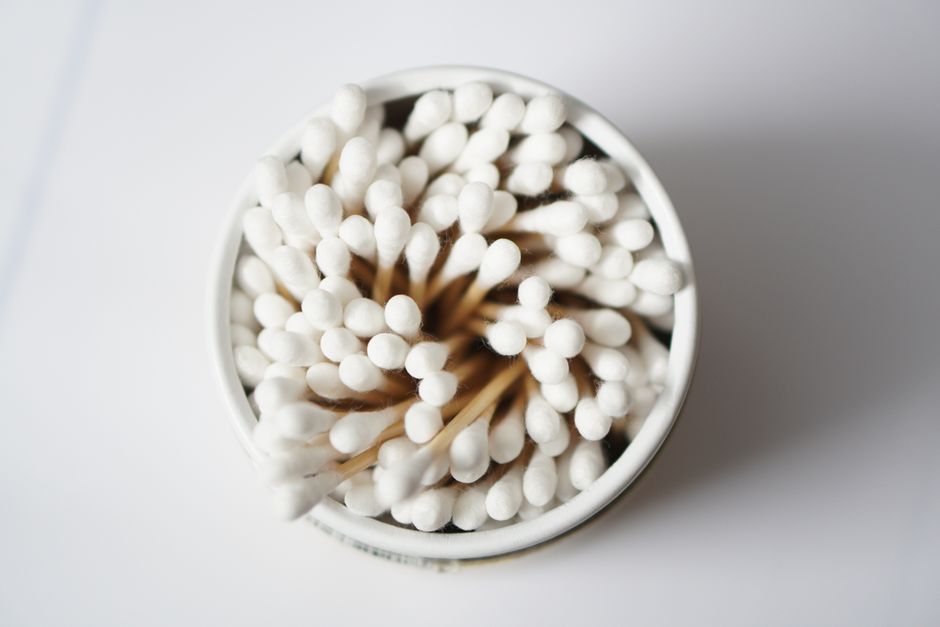
Your ears mostly clean themselves, and for most healthy adults the right answer is that you should not put anything inside the ear canal at all. The outer ear — the visible part — can be wiped gently with a damp cloth when you wash. The canal itself needs no routine cleaning, no matter how often you feel the urge. Earwax is not dirt. It is a protective coating that traps dust and debris and helps keep the skin of the canal healthy.
That answer surprises people because cotton swabs feel like cleaning. They are not. They push wax deeper, irritate the canal, and cause a large share of the ear injuries clinicians see. If your ears feel blocked or itchy, the fix is usually a targeted one — not a weekly habit.
Why Your Ears Do Not Need Routine Cleaning
The ear canal is self-cleaning by design. Skin inside the canal grows outward from the eardrum toward the opening, and that slow migration carries old wax and trapped debris out of the ear on its own. Jaw movement from talking and chewing helps the process along.
Earwax, properly called cerumen, is produced by glands in the outer part of the canal. It does more than sit there. It repels water, keeps the skin from drying and cracking, and creates a slightly acidic environment that makes it harder for bacteria and fungi to grow. Research published in the journal Otolaryngology–Head and Neck Surgery has described cerumen as a protective substance with antibacterial properties. Stripping it out on a schedule works against the ear’s own defenses.
This is why ear, nose, and throat specialists generally advise against routine cleaning of the canal. The American Academy of Otolaryngology–Head and Neck Surgery has stated that people should not insert cotton swabs or other objects into the ear canal. That guidance is not about being cautious for its own sake. It reflects how often self-cleaning causes harm.
What Happens When You Clean Your Ears Too Often
Cotton swabs are the most common culprit. A swab feels like it is removing wax, but it typically scoops out a little and pushes the rest deeper toward the eardrum. Over time that compacted wax can harden and block the canal. The result is the opposite of what the person intended: fullness, muffled hearing, and sometimes ringing.
The canal’s skin is thin and delicate. Repeated swabbing scratches it, which can lead to infection of the outer ear — a painful condition sometimes called swimmer’s ear when moisture is involved. In serious cases, a swab or other object can perforate the eardrum. These injuries are common enough that clinicians treat them regularly.
There is a less obvious cost, too. Cleaning removes the wax that protects the canal, which can leave the skin dry and itchy. That itchiness prompts more cleaning, and the cycle continues. Many people who feel they have “waxy” ears are actually dealing with irritation caused by over-cleaning.
How Often You Should Clean Your Ears If You Produce a Lot of Wax
Some people genuinely produce more wax than others, and for them the self-cleaning system can fall behind. Wax type is partly genetic. Some people have drier, flakier wax that tends to move out easily, while others have softer, wetter wax that can build up. Narrow or unusually shaped ear canals can also make natural clearance harder.
For these people, the answer is not more frequent swabbing. It is managing buildup when it actually causes symptoms — not on a fixed schedule. If wax is not causing hearing loss, fullness, itching, or discomfort, it does not need to be removed, even if you can see it.
When buildup does cause problems, a few approaches have reasonable support:
- Ear drops designed to soften wax, available without a prescription, can help in some cases. Follow the product directions, and do not use them if you have a history of eardrum perforation or ear surgery unless a clinician tells you it is safe.
- Some clinicians suggest a few drops of mineral oil or baby oil to soften hard wax, though evidence for this is limited compared with commercial softening drops.
- Professional removal by a clinician — through irrigation, suction, or a small instrument — is the reliable option for significant impaction.
Home irrigation with a bulb syringe or water jet is widely sold, but it carries real risks. It can injure the canal or eardrum, and it should not be used by anyone with a perforated eardrum, ear tubes, or a weakened immune system. If you are unsure about the state of your eardrum, have a clinician look before you try it.



When Ear Cleaning Becomes a Medical Matter
Impacted earwax is a recognized medical condition, not just an annoyance. It can cause hearing loss, a sense of fullness, ringing in the ears, and sometimes dizziness or a cough reflex. Clinicians diagnose it by looking into the ear with an instrument called an otoscope.
Removal is a routine procedure in primary care and ENT offices. The method depends on what the clinician finds. Irrigation works well for many cases. Suction or a small curette may be used when the wax is hard or the canal is narrow. Microsuction, done under magnification, is often used in specialist settings.
Some symptoms should prompt a visit rather than a home remedy. These include:
- Sudden hearing loss in one or both ears
- Ear pain, especially with fever or discharge
- Fluid, pus, or blood coming from the ear
- Persistent ringing or a feeling of blockage that does not clear
- Any of these symptoms in a person with diabetes or a weakened immune system
Sudden hearing loss is worth highlighting because it is time-sensitive. It is not the same as wax blockage, and it warrants prompt medical attention rather than a wait-and-see approach.
What About Ear Candles and Other Home Remedies?
Ear candles do not work, and they are not safe. The practice involves placing a hollow candle in the ear and lighting it, with the idea that warmth draws wax out. Studies have examined what the residue left in the candle actually is, and it is not earwax — it is mostly candle wax and ash. The practice has been linked to burns, blockage of the canal with candle wax, and eardrum injury. There is no clinical evidence that it removes wax.
Other home remedies circulate widely. Some people use hydrogen peroxide drops, rubbing alcohol, or vinegar solutions. These are not appropriate for routine cleaning. Hydrogen peroxide can irritate the canal with repeated use. Alcohol and vinegar mixtures are sometimes used by clinicians for specific conditions, but using them on your own to “clean” a healthy ear is not supported.
Olive oil and other softening oils have some traditional use and limited evidence for loosening hard wax before professional removal. They are not a cleaning method, and they should not be used if you have a perforated eardrum or ear tubes.
The Bottom Line on Ear Cleaning Frequency
For most people, the honest answer is that the ear canal should never be cleaned on a schedule. The outer ear can be washed gently during normal bathing. Nothing goes inside the canal — no swabs, no keys, no bobby pins, no candles.
If you produce excess wax and it causes symptoms, address it when it happens rather than on a routine. Softening drops or a visit to a clinician are the sensible routes. If you are prone to impaction, a clinician can tell you how often, if ever, you need help — but that is an individual assessment, not a universal rule.
The instinct to clean feels healthy. With ears, it usually is not. The canal has been managing itself for your whole life, and leaving it alone is the most reliable way to keep it working.
Frequently Asked Questions
How often should you clean your ears with cotton swabs?
You should not use cotton swabs in your ear canal at all. Swabs push wax deeper and can scratch the canal or injure the eardrum, and ear specialists advise against inserting them.
Is it bad to clean your ears every day?
Yes, cleaning the canal daily can do more harm than good. It strips away protective wax, irritates the skin, and can lead to infection or compacted wax over time.
How do you know if you have too much earwax?
Signs include hearing loss, a feeling of fullness, ringing, or discomfort in the ear. If wax is not causing symptoms, it does not need to be removed.
Can a doctor remove earwax safely?
Yes, clinicians routinely remove impacted wax using irrigation, suction, or small instruments. Professional removal is the reliable option when buildup causes symptoms.
