
You can clean your tonsils at home safely with a few simple steps: gargle with warm salt water, brush your teeth and tongue twice a day, stay hydrated, and use a soft toothbrush or cotton swab only on the outer surface of the tonsils if your doctor says it is fine for you. Never poke, scrape, or press hard into the folds of your tonsils. That can cause bleeding and infection. Most tonsil debris clears on its own with good oral hygiene.
Tonsils are not dirty organs that need scrubbing. They are part of your immune system, and small white bits of debris in their crevices are common and usually harmless. The goal of home care is to keep your mouth healthy and reduce irritation, not to dig anything out.
What Are Tonsils and Why Do They Collect Debris?
Your tonsils are two lumps of lymphoid tissue at the back of your throat, one on each side. They sit where your mouth and nose meet your throat, which puts them on the front line against bacteria and viruses you breathe in or swallow.
The surface of each tonsil is not smooth. It is folded into deep grooves called crypts. These crypts increase the surface area so immune cells can sample whatever passes by. The trade-off is that food particles, dead cells, and bacteria can get caught in the grooves.
Over time, that trapped material can harden into small, pale lumps called tonsil stones, or tonsilloliths. They are common and usually not a sign of disease. Some people never notice them. Others feel them as a tickle, a bad taste, or a feeling that something is stuck in the throat.
Some people have deeper, more numerous crypts than others. That is largely a matter of anatomy, not hygiene. If you get frequent stones, it may say more about the shape of your tonsils than about how well you clean them.
How To Clean Tonsils At Home Safe Methods
The safest approach is to focus on your whole mouth rather than the tonsils themselves. Good oral care reduces the bacteria and debris that feed tonsil problems.
Salt water gargle
Dissolve about half a teaspoon of salt in a glass of warm water and gargle for roughly 30 seconds, then spit it out. Do this a few times a day when your throat feels irritated. Salt water is a traditional rinse that can soothe a sore throat and help loosen mucus. It does not sterilize the tonsils, and no strong evidence shows it dissolves stones. It is low-risk and widely used.
Brush and floss twice a day
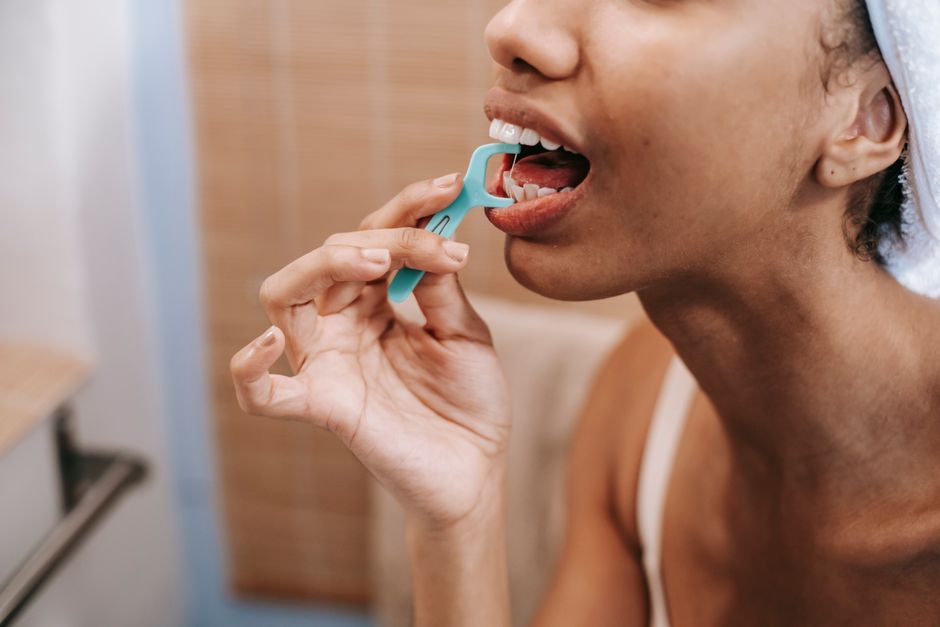
Regular brushing removes the bacteria in your mouth that contribute to debris and bad breath. Floss daily and brush your tongue or use a tongue scraper. Much of the odor people blame on tonsils actually comes from the tongue and gums.
Stay hydrated
Drinking enough water keeps your mouth moist and helps your throat clear itself. A dry mouth tends to concentrate debris and bacteria. Water is the best choice. Sugary drinks feed the bacteria you are trying to reduce.
Gargle with plain water after meals
A quick rinse after eating can help dislodge food particles before they settle into the crypts. This is simple and safe.
Gentle surface cleaning only
Some people use a soft toothbrush or a cotton swab to wipe the visible outer surface of the tonsil. Only do this if your doctor has told you it is fine for you, and only with very light pressure. Do not push into the crypts, and stop at the first sign of bleeding or pain. Many clinicians advise against any direct probing at all, because the risk of injuring tissue outweighs the benefit.
What Should You Never Do to Your Tonsils?
Do not try to dig stones out with sharp objects. This is the most common way people injure their tonsils at home. Fingernails, tweezers, toothpicks, and improvised tools can tear the delicate tissue and introduce bacteria.
Avoid these practices:
- Poking or scraping deep into the crypts
- Using anything sharp, including fingernails
- Applying strong pressure to force out a stone
- Using hydrogen peroxide, vinegar, or other harsh liquids directly on the tonsils
- Relying on unproven “tonsil detox” products sold online
There is no clinical evidence that any product dissolves or “detoxifies” tonsil stones. If a company claims its rinse or spray removes stones, that claim has not been confirmed in human trials.
One more caution. If you have a bleeding disorder, take blood thinners, or have had recent throat surgery, do not attempt any direct cleaning of the tonsils without asking your doctor first.





Do Tonsil Stones Need to Be Removed?
Most tonsil stones do not need removal. They often work loose on their own when you cough, swallow, or gargle. Many people pass them without ever knowing.
When stones cause real problems, such as persistent bad breath, repeated sore throats, or discomfort, talk to a doctor or dentist. Some clinicians can remove visible stones in the office with gentle irrigation or a simple instrument. This is a procedure done by a professional, not something to imitate at home.
For people with frequent, troublesome stones, doctors sometimes discuss other options. These can include professional cleaning of the crypts or, in selected cases, surgery to remove the tonsils. Tonsil removal is a real operation with real recovery time and risks, so it is reserved for people whose symptoms are significant. It is not a routine fix for occasional stones.
When Should You See a Doctor About Your Tonsils?
See a doctor if you have symptoms that suggest infection or something more serious. Most throat irritation is minor and settles within a week or so, but some signs need medical attention.
Contact a clinician if you notice:
- A sore throat that lasts more than a week or keeps getting worse
- Fever along with throat pain
- White patches or pus on the tonsils
- Pain or swelling on one side only
- Difficulty swallowing, or trouble breathing
- A lump on one side of the throat
- Blood in your saliva
- Persistent bad breath that does not improve with good oral care
Difficulty breathing or swallowing is a reason to seek care right away. So is drooling in someone who cannot swallow. These can signal a more serious throat infection that needs prompt treatment.
White patches on the tonsils are not always stones. They can also come from a throat infection, and the cause is not something you can reliably identify by looking. A clinician can tell the difference.
Does Good Oral Hygiene Prevent Tonsil Problems?
Good oral hygiene is the most reliable home measure for reducing tonsil irritation and bad breath. It will not change the shape of your tonsils or guarantee you never get a stone, but it reduces the bacteria that contribute to both.
Keep up with brushing, flossing, tongue cleaning, and hydration. If you smoke, quitting helps your whole mouth and throat. Smoking irritates the tissues of the throat and is linked to worse oral health.
Be skeptical of products that promise to clean, flush, or detox your tonsils. Your tonsils are not a filter that needs rinsing out. They are immune tissue doing a job. Gentle care and attention to warning signs will serve you better than any gadget.
Frequently Asked Questions
Can I remove tonsil stones at home?
Small stones often come loose on their own with gargling or coughing, and gentle salt water rinses may help. Do not dig them out with fingers or sharp tools, because that can cause bleeding and infection.
Does gargling salt water get rid of tonsil stones?
Salt water can soothe the throat and help loosen mucus, but there is no strong evidence it dissolves stones. It is a low-risk rinse, not a cure.
How often should I clean my tonsils?
You do not need to clean your tonsils directly on a schedule. Focus on brushing and flossing twice a day, staying hydrated, and gargling with salt water when your throat feels irritated.
When should I see a doctor for tonsil problems?
See a doctor for a sore throat lasting more than a week, fever, one-sided swelling, white patches, or any trouble swallowing or breathing. Difficulty breathing or swallowing needs care right away.
