
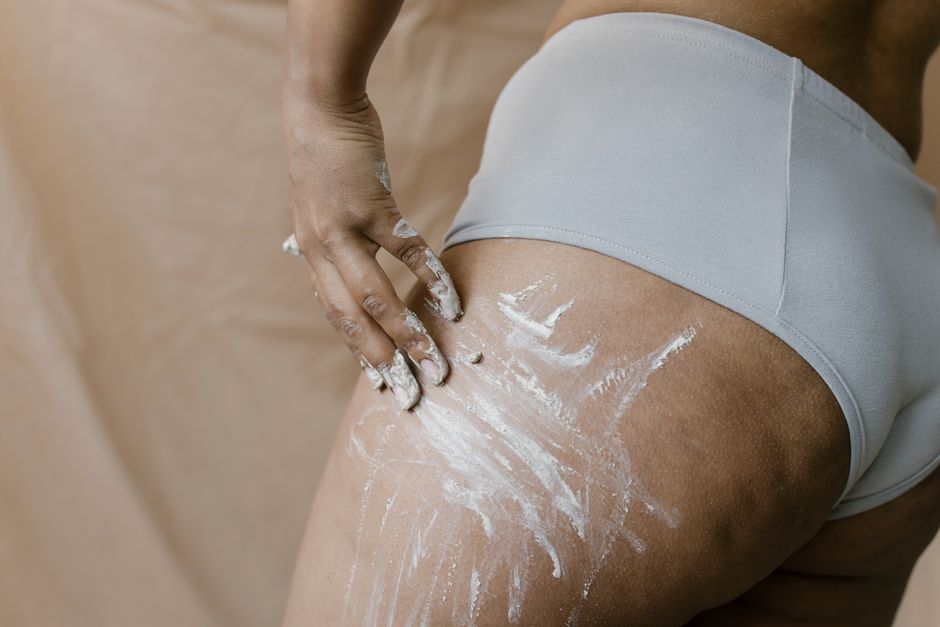
CBD cream is a topical product applied directly to the skin for localized relief from pain, inflammation, and certain skin conditions. Unlike CBD oils or edibles that enter the bloodstream, creams work mostly at the surface level, interacting with cannabinoid receptors in the skin. People use them for arthritis pain, muscle soreness, and conditions like eczema, though the evidence supporting each use varies.
How Does CBD Cream Work on the Skin?
Your skin has its own endocannabinoid system. This is a network of receptors that help regulate pain, inflammation, and skin cell growth. When you apply CBD cream, the cannabinoids bind to these receptors in the outer layers of the skin.
Because the cream is topical, very little CBD reaches your bloodstream. This is important because it means the effects are localized. You treat the knee that hurts, not your whole body. The amount that absorbs into the blood is typically minimal, so systemic side effects are rare.
Most CBD creams also contain other ingredients. Menthol, camphor, arnica, and essential oils are common additions. These ingredients can produce their own cooling or warming sensations that may distract from pain signals. When you feel relief, it may come from the CBD, the other ingredients, or the combination.
What Is CBD Cream Used For in Pain Management?
Muscle soreness and joint pain are the most common reasons people buy CBD cream. Small studies and many anecdotal reports suggest it can help with localized discomfort. The anti-inflammatory properties of CBD are well documented in laboratory research, but translating that to human skin is more complicated.
Some research indicates that topical CBD can reduce pain and improve function in people with knee arthritis. The evidence is promising but not conclusive. One challenge is that studies use different formulations and strengths, making direct comparisons difficult.
For acute injuries like sprains or post-workout soreness, CBD cream may help by reducing local inflammation. Some athletes use it as part of their recovery routine. The cooling effect from menthol-based formulas can also provide immediate, temporary relief regardless of the CBD content.
Neuropathic pain, which comes from nerve damage, is a different story. The evidence for topical CBD treating nerve pain is thinner. Some creams contain lidocaine or other numbing agents that work on nerve signals directly. If you have nerve pain, check the ingredient list rather than assuming CBD alone will help.
CBD Cream for Skin Conditions: What the Evidence Shows
Skin conditions like eczema, psoriasis, and acne involve inflammation. Because CBD has anti-inflammatory properties, researchers have studied its potential for these conditions. Some early results are encouraging.
A few small clinical trials have looked at topical CBD for eczema and psoriasis. Some participants reported less itching and scaling. The mechanism makes sense — CBD appears to slow down the rapid skin cell turnover that drives psoriasis and reduce the inflammatory response in eczema.
Acne is another area of interest. CBD may reduce sebum production, which is the oily substance that clogs pores. Laboratory studies on human skin cells show this effect clearly. Whether this translates to visible acne improvement in real life is less certain. The research is still in early stages.
One important note: no topical CBD product is FDA-approved for treating any skin condition. If you have a diagnosed skin disorder, treat CBD cream as a possible supplement to your prescribed treatment, not a replacement.



Does CBD Cream Actually Work? A Look at the Research
The honest answer is that evidence is mixed. Some studies show clear benefits. Others show little difference between CBD cream and a placebo. This inconsistency is common in pain research because pain is subjective and difficult to measure.
One factor that matters is dose. Many commercial CBD creams contain very low concentrations. A cream with 5 mg of CBD per container may not deliver enough to the skin to produce a meaningful effect. Products with higher concentrations tend to show better results in studies.
The quality of the product also matters. CBD is not strictly regulated like prescription drugs. Some products contain less CBD than their labels claim. Third-party testing helps, but not all companies do it. Look for products with a certificate of analysis from an independent laboratory.
Research published in the Journal of Pain Research and similar publications has examined topical CBD for various pain types. The general conclusion across studies is that it shows promise but needs more rigorous testing. Larger clinical trials with standardized products are needed before doctors can confidently recommend it.
How to Choose a CBD Cream
If you decide to try CBD cream, the label matters more than the brand name. Start by checking the CBD concentration. Look for the total milligrams of CBD in the container and the serving size. Higher concentrations generally mean more potential benefit.
Check the ingredient list for other active compounds. Menthol and camphor provide their own pain relief. Arnica is an herbal anti-inflammatory. Lidocaine is a real numbing agent. If you want maximum relief, a combination product may work better than CBD alone.
Full-spectrum products contain other cannabinoids and terpenes from the hemp plant. Some research suggests these compounds work together in what is called the entourage effect. Broad-spectrum products have the same compounds minus THC. Isolate products contain only CBD.
Look for third-party testing. A reputable company will provide a certificate of analysis showing the actual CBD content and confirming the product is free of contaminants like heavy metals and pesticides. If a company does not provide this, consider that a red flag.
CBD Cream vs. Other CBD Products
CBD comes in many forms, and they are not interchangeable. Creams and balms are topical — they work where you apply them. Oils and tinctures go under the tongue and enter the bloodstream. Edibles pass through the digestive system. Vapes go into the lungs.
For localized pain, cream is the logical choice. It delivers CBD directly to the area that hurts. For systemic issues like anxiety or sleep problems, oral products make more sense because they affect the whole body.
The onset time differs too. Topical creams take effect within 15 to 30 minutes. Oral products can take an hour or more because they must pass through digestion. The effects of cream also last longer at the application site, though systemic effects are minimal.
Cost is another consideration. CBD creams are often more expensive per milligram of CBD than oils or edibles. If you need whole-body relief, cream is not the most cost-effective option. For targeted pain, the higher price may be worth the convenience.
Are There Side Effects or Risks?
Topical CBD is generally well tolerated. The most common side effect is skin irritation at the application site. Redness, itching, or a rash can occur, especially if you have sensitive skin or an allergy to an ingredient in the cream.
Before using a new CBD cream, do a patch test. Apply a small amount to a small area of skin and wait 24 hours to see if any reaction occurs. This is especially important for people with sensitive skin or known allergies.
Because so little CBD absorbs into the bloodstream, drug interactions are unlikely with topical use. However, if you are pregnant, breastfeeding, or taking prescription medications, talk to your doctor before using any CBD product. Clinical guidelines for these populations are limited.
CBD cream will not make you feel high. It does not contain enough THC to produce psychoactive effects. Full-spectrum products may contain trace amounts of THC, but this is typically below the legal limit and does not cause intoxication.
Frequently Asked Questions
How fast does CBD cream work?
Most people feel effects within 15 to 30 minutes of application. The speed depends on the formulation and how much cream you apply.
How often should I apply CBD cream?
Most products suggest applying 2 to 3 times daily, but follow the label instructions. You can reapply as needed for persistent pain.
Can CBD cream make you fail a drug test?
It is unlikely but possible with full-spectrum products that contain trace THC. If drug testing is a concern, choose a CBD isolate product with zero THC.
Is CBD cream safe to use every day?
Daily use is generally considered safe for most people. Stop using it if you develop skin irritation or an allergic reaction.
