
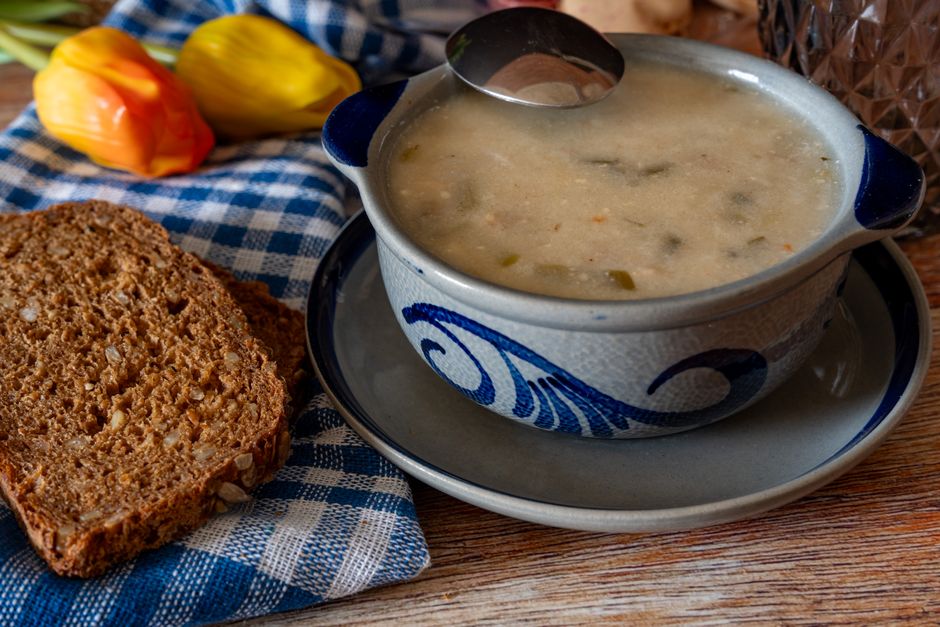
When your stomach is churning and everything you eat seems to make things worse, plain foods like Cream of Wheat start to look appealing. Cream of Wheat is a low-fiber, bland wheat cereal that is generally easy to digest, which is why it is often grouped with the foods people reach for during a bout of diarrhea. It can fit into a gentle eating plan, but it is not a treatment for diarrhea and it will not stop the underlying cause.
Whether it helps depends on how you prepare it and what your body tolerates. Plain, well-cooked Cream of Wheat with a little salt is usually gentle. Loaded with butter, milk, or sugar, it can be harder on a sensitive gut. It also lacks the electrolytes you lose through diarrhea, so it should not be your only source of nutrition or fluids while you are sick.
Is Cream Of Wheat Good For Diarrhea Benefits Risks?
Plain Cream of Wheat can be a reasonable choice during diarrhea because it is low in fiber and easy on the digestive tract. It provides calories and some iron and B vitamins from fortified versions, which matters when you are eating very little.
What it does not do is treat diarrhea. It will not slow bowel movements, replace lost fluids, or fix an infection. Think of it as one bland, tolerable food in a short-term diet, not a remedy.
The bigger question is what you add to it. Plain cooked farina with a pinch of salt sits very differently in a sensitive gut than a bowl made with whole milk and a spoonful of butter. During diarrhea, the digestive system is often temporarily less able to break down certain sugars and fats, so simple is better.
Why Do Bland, Low-Fiber Foods Help During Diarrhea?
Diarrhea means food is moving through your intestines faster than normal and with more water than usual. When that happens, high-fiber foods, fatty foods, and very sweet foods can pull more water into the gut or ferment and produce gas, which often makes symptoms worse.
Low-fiber starches like refined wheat, white rice, and plain pasta are broken down easily and tend to leave less residue behind. That is the main reason they are commonly recommended during short bouts of diarrhea. It is not that they heal anything. They simply give your gut less work to do while it recovers.
One detail worth knowing: the old advice to avoid all dairy during diarrhea is not universal. Many adults tolerate yogurt and other dairy fine, while others — especially anyone with lactose intolerance — do not. If milk makes your symptoms worse, it is the milk, not the wheat, that is the problem.
How Should You Prepare Cream of Wheat When You Have Diarrhea?
Keep it plain and cook it fully. Water instead of milk is the safer default if you are unsure how you handle dairy. A small pinch of salt helps replace a little sodium, though it is nowhere near enough to correct fluid loss on its own.
- Use water or a lactose-free milk if dairy bothers you.
- Skip butter, heavy cream, and large amounts of sugar.
- Cook it thin and smooth rather than thick and lumpy.
- Eat small portions and see how you feel before eating more.
- Avoid added nuts, seeds, dried fruit, or high-fiber mix-ins.
If a small bowl sits well, that is useful information. If it makes cramping or urgency worse, stop and try something else. Everyone’s gut reacts a little differently, and there is no rule that says this particular cereal has to work for you.





What Are the Risks of Relying on Cream of Wheat?
The main risk is not the cereal itself. It is using it as your only food or drink while you are losing fluids and electrolytes. Diarrhea drains water, sodium, potassium, and other minerals, and a bowl of farina does not replace them.
For most healthy adults, a short bout of diarrhea is uncomfortable but not dangerous as long as you keep drinking. The concern is dehydration, and it becomes more serious for young children, older adults, and anyone who is already frail or ill. Signs include dark urine, dry mouth, dizziness on standing, and urinating much less than usual.
There is also a risk of leaning on the wrong foods. Adding high-fat or high-sugar ingredients to make it taste better can backfire and prolong symptoms. And if diarrhea lasts more than a couple of days, comes with a high fever, blood, or severe pain, food choices are not the answer — you need medical care.
What Should You Actually Eat and Drink to Recover?
Fluids come first. Oral rehydration solutions are designed to replace water and electrolytes in the right balance and are the standard approach for mild to moderate fluid loss. Sports drinks are not equivalent — they contain more sugar and less sodium than a proper rehydration solution, though they are better than nothing if that is all you have.
For food, the general approach is small amounts of bland, low-fiber items as tolerated. Beyond Cream of Wheat, that often includes:
- Plain white rice, pasta, or crackers
- Bananas, which also provide potassium
- Plain toast or low-fiber bread
- Boiled or baked potatoes without heavy toppings
- Plain chicken or eggs if you can handle protein
There is no single food that speeds recovery. The goal is to keep taking in fluids and some calories while your gut settles, and to avoid anything that clearly makes things worse. If you are unsure what you tolerate, add foods back one at a time.
When Is Cream of Wheat Not the Right Choice?
Cream of Wheat is a poor fit if you have a wheat allergy or celiac disease, since it is made from wheat and contains gluten. In those cases, a gluten-free alternative like plain rice cereal is the appropriate swap.
It is also the wrong focus if your diarrhea is severe or persistent. Food choices support comfort, but they do not address causes like infection, medication side effects, or an underlying digestive condition. Those need to be evaluated by a clinician.
Finally, do not use diarrhea as a reason to skip drinking. Some people cut back on fluids because they fear it will make things worse. It usually does the opposite. Staying hydrated is the single most important thing you can control.
Does Cream of Wheat Stop Diarrhea?
No. Cream of Wheat does not stop diarrhea or treat its cause. It is simply a bland, low-fiber food that many people find easy to tolerate while their gut recovers, and its value is limited to that role.
The real work of recovery happens through fluids, electrolytes, rest, and time. If symptoms are mild and short, gentle foods can help you stay nourished. If they are not, food is not the tool you need.
Frequently Asked Questions
Is Cream of Wheat good for diarrhea?
Plain, well-cooked Cream of Wheat can be a gentle, low-fiber food that is easy to tolerate during a short bout of diarrhea. It does not treat diarrhea or replace the fluids and electrolytes you are losing.
Should I make Cream of Wheat with milk or water for diarrhea?
Water is the safer default if you are unsure how you handle dairy, since some people have trouble digesting milk when their gut is irritated. If you normally tolerate milk well, either is generally fine.
How long can diarrhea last before I should see a doctor?
Most short bouts of diarrhea from a minor infection or upset stomach clear up within a few days. Seek medical care if it lasts more than a couple of days, or sooner if you have a high fever, blood in your stool, severe pain, or signs of dehydration.
What foods are better than Cream of Wheat for diarrhea?
No single food is clearly best, but plain white rice, bananas, crackers, and toast are common low-fiber options. Oral rehydration solutions matter more than any food because they replace lost water and electrolytes.
