
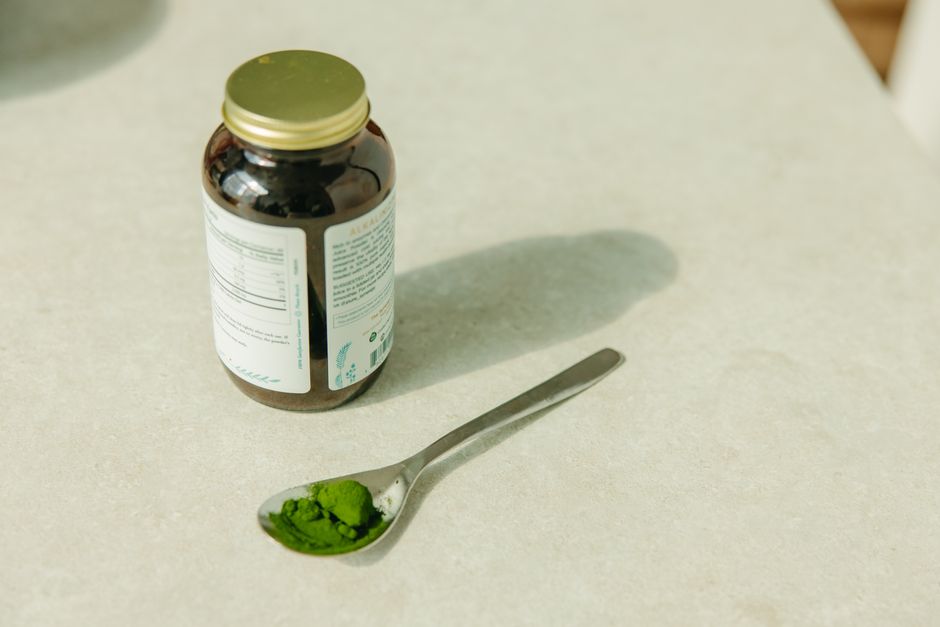
Camu powder comes from a small, cherry-like fruit called camu camu that grows in the Amazon rainforest. The fruit is highly acidic and rarely eaten raw, so it is usually processed into a powder or juice. Camu powder is known for one nutrient above all others: vitamin C. A single teaspoon can contain more vitamin C than an orange, which makes it one of the most concentrated natural sources of this vitamin available.
Beyond vitamin C, the powder provides plant compounds called polyphenols and anthocyanins. These act as antioxidants in the body. Research is still in early stages, but the existing evidence points to camu powder being a genuinely nutrient-dense supplement rather than a cure-all. It is not a magic bullet, and no food is. What camu powder offers is a dense package of vitamin C and antioxidants that may support immune function and reduce oxidative stress when used as part of a varied diet.
What Is Camu Camu and How Is It Made Into Powder?
Camu camu (Myrciaria dubia) is a shrub native to the Amazon basin, particularly in Peru and Brazil. The fruit grows along riverbanks and is harvested during the rainy season. Because the raw fruit is intensely sour, it is rarely consumed fresh. Producers dry the fruit pulp and grind it into a fine powder, or they juice it and spray-dry the liquid into powder form.
The drying process matters. High heat can destroy vitamin C, so reputable producers use low-temperature drying methods. The color of the powder ranges from pale yellow to light pink, and the taste is tart and slightly bitter. Many people mix it into smoothies, yogurt, or water because the flavor is too strong to eat on its own.
Camu powder is not the same as camu camu capsules or extracts. Powders contain the whole fruit pulp, including fiber and other plant compounds. Extracts are more concentrated in specific compounds but lose some of the whole-food context. For most people, the powder is the more versatile option.
Camu Powder Nutrition Facts
The nutritional profile of camu powder is dominated by vitamin C. Per 100 grams of dried powder, vitamin C content can range from 1,500 to over 2,000 milligrams. That is roughly 20 to 25 times the vitamin C in an orange by weight. A typical serving size is one teaspoon, or about 5 grams, which delivers around 100 milligrams of vitamin C. That single teaspoon already exceeds the daily recommended intake for most adults, which is 75 milligrams for women and 90 milligrams for men.
The powder also provides smaller amounts of other nutrients:
- Potassium, which supports blood pressure regulation
- Calcium and magnesium, important for bone health
- Beta-carotene, a precursor to vitamin A
- Anthocyanins and ellagic acid, both antioxidant compounds
Camu powder is naturally low in sugar. The fruit is tart because it contains organic acids, not because it is sweet. This makes it a reasonable choice for people watching their sugar intake, though the powder is too concentrated to eat in large amounts anyway.
One important note: the vitamin C content can vary between batches and brands. Soil conditions, harvest timing, and processing methods all affect the final nutrient profile. If you are using camu powder specifically for its vitamin C, check the label for the actual amount per serving rather than assuming a standard value.
Health Benefits of Camu Powder
Most of the research on camu camu has focused on its antioxidant capacity and its potential effects on inflammation. The evidence is promising but not conclusive. Human studies are limited, and many findings come from test-tube or animal research.
Vitamin C is the best-established benefit. The body needs vitamin C for immune function, collagen production, and the absorption of iron from plant foods. A deficiency leads to scurvy, a condition that still appears in modern populations with very poor diets. Camu powder is an effective way to meet vitamin C needs, especially for people who do not eat many fruits and vegetables.
Some research suggests camu powder may help reduce oxidative stress. Oxidative stress occurs when free radicals outnumber antioxidants in the body, which can damage cells over time. A small study involving smokers found that drinking camu camu juice reduced markers of oxidative stress. The study was small and short-term, but the results align with what is known about high-dose antioxidants in general.
Emerging research points to potential effects on blood sugar and gut health. One study in overweight adults found that camu camu extract reduced post-meal blood sugar spikes. Another study suggested the polyphenols in camu camu may influence gut bacteria in a beneficial way. Both findings are preliminary and need larger, longer trials before they become firm recommendations.
There is no credible evidence that camu powder prevents or cures any specific disease. Claims that it treats diabetes, cancer, or viral infections go beyond what research currently supports. What the evidence does show is a nutrient-dense food that supports general health in ways consistent with its vitamin C and antioxidant content.





How Camu Powder Compares to Other Vitamin C Sources
Camu powder is often compared to acerola powder, another tropical fruit known for high vitamin C content. Both are excellent sources, but they differ in taste and nutrient profile. Acerola is slightly sweeter and contains more beta-carotene. Camu is more tart and contains higher levels of certain polyphenols.
Compared to synthetic vitamin C supplements, camu powder offers the advantage of whole-food context. The fruit provides fiber and other plant compounds that a purified ascorbic acid tablet does not. Whether these additional compounds meaningfully improve absorption or effectiveness is not fully established. The body absorbs vitamin C from whole foods and supplements similarly, so the practical difference is modest.
One advantage camu powder has over many supplements is that it is difficult to overdose on. Vitamin C toxicity is rare but possible with very high supplement doses, usually above 2,000 milligrams per day. Reaching that level with camu powder would require eating more than 100 grams of powder, which is impractical. The main side effect of excess vitamin C is digestive upset, including diarrhea and stomach cramps.
How to Use Camu Powder
Camu powder is versatile but strongly flavored. Start with a small amount, such as half a teaspoon, to see how you tolerate the tartness. The powder dissolves easily in liquids, which makes it simple to add to drinks.
Common ways to use camu powder include:
- Stirring it into smoothies or fruit juice
- Mixing it into yogurt or oatmeal
- Adding it to homemade salad dressings
- Blending it into water with a touch of honey
The powder can also be used in baking, but heat degrades vitamin C. If you bake with camu powder, the antioxidant benefits will be reduced. For maximum vitamin C retention, add the powder to foods after they have cooled.
Camu powder has no established dosing guidelines. The amount that is safe and beneficial depends on your overall diet, your vitamin C needs, and your tolerance. Most commercial products suggest one teaspoon per day, which is a reasonable starting point. If you are taking other vitamin C supplements, account for the camu powder to avoid exceeding the upper limit of 2,000 milligrams per day.
Safety and Side Effects
Camu powder is generally recognized as safe for healthy adults when consumed in food amounts. The primary concern is its acidity. The fruit contains high levels of citric acid and other organic acids, which can irritate the stomach or worsen acid reflux in sensitive people. If you have a history of stomach ulcers or GERD, start with a very small amount and monitor your symptoms.
People on certain medications should be cautious. High doses of vitamin C can interact with some drugs, including certain chemotherapy agents and blood thinners. If you take prescription medication, talk to your doctor before adding camu powder to your routine.
Pregnant and breastfeeding women can safely consume camu powder in food amounts, but no clinical guidelines exist for supplement-level doses. The vitamin C content is unlikely to cause harm at typical serving sizes, but the lack of specific research means caution is appropriate. Children can eat foods containing camu powder, but no dosing recommendations exist for pediatric use.
There is no evidence that camu powder is dangerous. The risks are limited to digestive discomfort from the acidity and the theoretical risk of excessive vitamin C intake. Both are manageable with sensible portion sizes.
Where to Buy and What to Look For
Camu powder is widely available online and in health food stores. When choosing a product, look for powder made from whole camu camu fruit with no added sugars or fillers. The ingredient list should contain only one item: camu camu.
Quality varies between brands. Look for products that specify the vitamin C content per serving, as this indicates the manufacturer has tested the product. Organic certification is not essential but may reduce exposure to pesticides. Some brands offer third-party testing results, which is a sign of a more rigorous quality process.
Store camu powder in a cool, dry place away from direct sunlight. Vitamin C is sensitive to light and heat, so proper storage helps preserve its potency. Sealed properly, the powder can last up to two years, though it is best used within six months of opening.
Frequently Asked Questions
What does camu powder taste like?
Camu powder tastes intensely tart and slightly bitter, similar to a sour cherry or cranberry without the sweetness. Most people mix it into smoothies or juice rather than eating it plain.
How much vitamin C is in camu powder?
A one-teaspoon serving of camu powder typically contains around 100 milligrams of vitamin C. That single serving exceeds the daily recommended intake for most adults.
Can camu powder help with immune support?
Camu powder provides a concentrated dose of vitamin C, which is essential for immune function. The evidence supports its role in meeting vitamin C needs, but no food can prevent or cure illness on its own.
Is camu powder safe to take every day?
Camu powder is safe for healthy adults at typical serving sizes of one teaspoon per day. People with stomach sensitivity or those taking prescription medications should consult a doctor first.
