
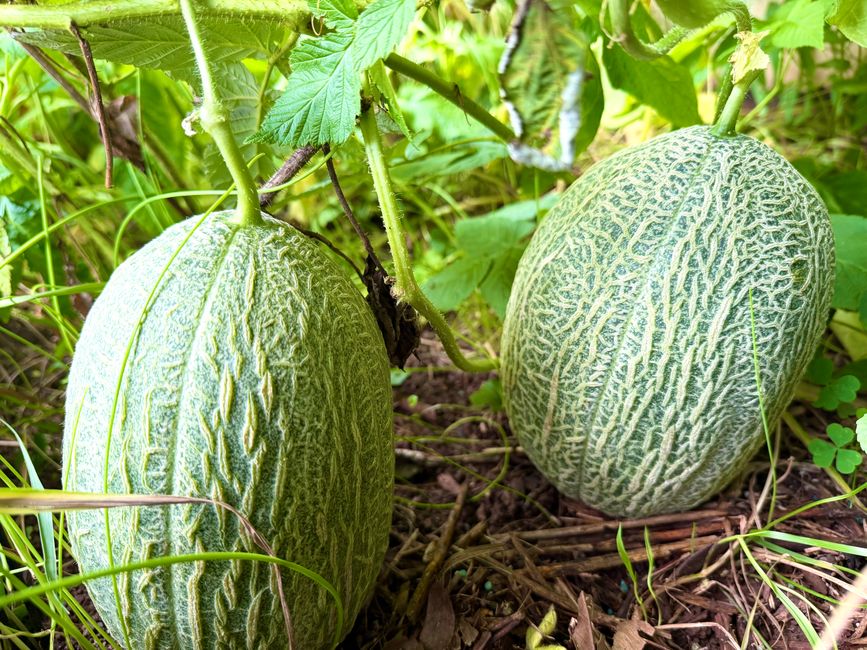
Yes, melon leaves are edible. The leaves of common melon varieties, including cantaloupe and honeydew, are consumed as a cooked green vegetable in many parts of the world. They are not typically eaten raw in large amounts due to their fuzzy texture and slightly bitter taste. Cooking softens the leaves and makes them palatable, similar to how you might prepare spinach or collard greens.
Are Melon Leaves Safe to Eat?
For most healthy adults, eating cooked melon leaves is safe. They have a long history of culinary use in parts of Asia and Africa. In these regions, the leaves are often harvested from the same plants that produce fruit for the market.
However, you should not eat leaves from plants that have been treated with pesticides or other chemicals not labeled for food crops. Always wash the leaves thoroughly before cooking. If you have a history of food allergies, introduce any new green into your diet gradually.
Nutritional Content of Melon Leaves
Like most dark leafy greens, melon leaves are low in calories and provide a range of vitamins and minerals. They contain vitamin A, vitamin C, and several B vitamins. They also supply minerals such as iron, calcium, and potassium.
Specific nutrient values vary depending on the soil, the plant variety, and how the leaves are cooked. No standard USDA nutritional profile exists for melon leaves as a common food item in the United States. The nutritional information available comes from regional food composition studies rather than a single global standard.
How Do Melon Leaves Compare to Other Greens?
Melon leaves share a nutritional profile similar to other sturdy cooking greens. They are closer in texture to kale or collard greens than to delicate spinach. The table below offers a general comparison based on typical values for cooked leafy greens.
| Green (cooked) | Key Nutrients | Texture |
|---|---|---|
| Melon leaves | Vitamin A, Vitamin C, Iron | Sturdy, slightly fuzzy |
| Spinach | Vitamin K, Folate, Iron | Tender, smooth |
| Kale | Vitamin K, Vitamin C, Calcium | Firm, curly or flat |
| Collard greens | Vitamin K, Vitamin A, Calcium | Broad, thick |
The fuzzy texture of melon leaves is the main difference you will notice. Cooking eliminates most of the fuzziness. The flavor is mildly bitter and earthy, which pairs well with strong seasonings like garlic, onion, and chili.





How to Prepare Melon Leaves for Eating
Preparation is straightforward. Start by selecting young, tender leaves from the top of the vine. Older leaves near the base of the plant are tougher and more bitter.
- Wash the leaves in cold water to remove dirt and any insects.
- Remove the tough stems and central ribs, just as you would with collard greens.
- Blanch the leaves in boiling water for 2 to 3 minutes to reduce bitterness.
- Drain and then sauté with oil, garlic, and salt.
You can also add chopped melon leaves to soups, stews, or stir-fries. They cook down significantly, so start with a large volume of raw leaves. Some regional cuisines dry the leaves and crumble them into dishes later as a seasoning.
What Do Melon Leaves Taste Like?
The taste is often described as a cross between spinach and cucumber with a mild bitterness. The raw leaves taste grassy and have a dry, fuzzy mouthfeel. Cooking changes the flavor substantially, making it more mellow and savory.
Young leaves are milder than mature ones. If bitterness bothers you, blanch the leaves twice, discarding the water between rounds. This pulls out more of the bitter compounds.
Are Melon Leaves Used in Traditional Medicine?
Some traditional medicine systems use parts of the melon plant, including leaves, for various purposes. These uses are not well studied in modern clinical trials. The evidence for any medicinal benefit is largely anecdotal and based on historical practice rather than scientific validation.
Eating melon leaves as a vegetable is different from using concentrated leaf extracts for medicinal purposes. The amounts consumed in food are generally safe, but concentrated preparations may carry different risks. No reliable clinical evidence currently supports using melon leaves to treat any specific medical condition.
Potential Risks and Precautions
The main risk comes from misidentification. Do not harvest leaves from ornamental gourds or unknown vine plants unless you are certain of the species. Some ornamental varieties are bred for looks, not food safety, and may contain higher levels of naturally occurring compounds that are not desirable to eat.
People taking blood-thinning medications should be mindful of any green leafy vegetable. Leaves contain vitamin K, which plays a role in blood clotting. This does not mean you cannot eat them. It means you should keep your intake consistent and inform your doctor if you change your diet significantly.
Pregnant women and young children can eat cooked melon leaves as part of a normal diet. No clinical guidelines currently exist specifically for these populations regarding melon leaf consumption. The general advice for safely consuming cooked vegetables applies.
Can You Eat Melon Leaves Raw?
Technically yes, but they are not pleasant to eat raw. The texture is fuzzy and the flavor is noticeably bitter. Small amounts of very young leaves could be added to a salad for texture, but most people will find the experience unappealing.
Cooking is strongly recommended. Heat breaks down the fuzzy hairs and softens the leaf structure. It also reduces the bitter flavor, making the leaves much more enjoyable to eat.
Where Can You Find Melon Leaves?
You will rarely find melon leaves in standard US grocery stores. They appear occasionally at farmers markets, especially those serving Asian or African communities. Your most reliable source is your own garden.
If you grow melons, you can harvest leaves without harming the plant. Take only a few leaves from each vine. Removing too many leaves reduces the plant’s ability to produce energy through photosynthesis and can lower your fruit yield. Harvest from plants that have already set fruit or are well established.
Frequently Asked Questions
Can you eat melon leaves raw?
Yes, but the fuzzy texture and bitter taste make them unpleasant. Cooking is recommended for better flavor and texture.
Do melon leaves taste like the fruit?
No, they taste more like a bitter green vegetable such as kale or collard greens. Some people notice a very mild cucumber-like undertone.
Are watermelon leaves edible too?
Yes, watermelon leaves are also edible and prepared the same way as other melon leaves. Apply the same cooking methods and precautions for pesticide exposure.
Can eating melon leaves cause any side effects?
In normal food amounts, side effects are unlikely for most people. Eating very large amounts of any leafy green can cause digestive discomfort due to fiber content.
