
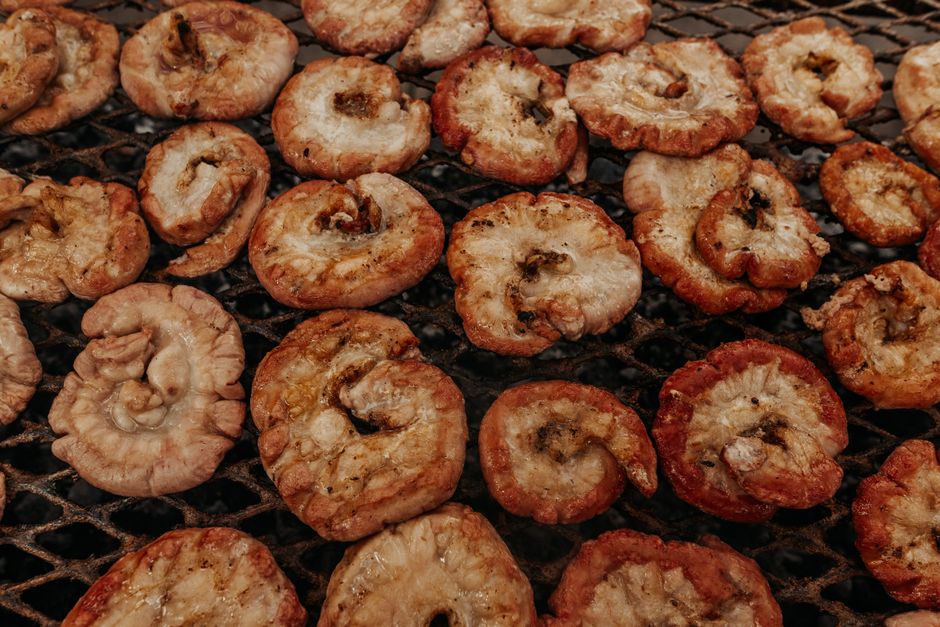
Sweetbreads are the thymus gland or pancreas of young animals, most often calves, lambs, and beef cattle. Despite the name, they are not a sweet bread and they are not brain tissue. They are a type of organ meat with a delicate flavor and a creamy, tender texture that has been prized in European and fine-dining cuisine for centuries.
What Is Sweetbread Meat?
Sweetbreads come from two specific organs. The thymus gland, located in the throat area, is called the throat sweetbread. The pancreas, located near the stomach, is called the heart sweetbread or stomach sweetbread. Both are glands that are most tender and mild when taken from young animals, because these organs shrink and change function as the animal matures.
They are not testicles, brains, or any part of the intestinal tract. This is a common misconception. The name likely comes from an old English usage where “bread” meant flesh or meat, and “sweet” referred to the richer, more delicate taste compared to regular muscle meat.
You will most often find sweetbreads from veal, which are considered the gold standard. Lamb sweetbreads are also common. Beef sweetbreads from older cattle exist but are generally tougher and stronger in flavor, requiring more careful preparation.
What Do Sweetbreads Taste Like?
Sweetbreads have a mild flavor that is often compared to a cross between chicken and a very tender piece of pork, with a faint mineral note that is characteristic of organ meats. They are not gamey or strongly metallic like liver can be. The flavor is subtle enough that it typically takes on the character of the sauce or seasoning used to cook them.
The texture is what sets them apart. When properly prepared, sweetbreads have a crisp exterior and an interior that is creamy, soft, and almost buttery. Some describe it as similar to the texture of a well-cooked scallop or the soft richness of bone marrow. When poorly cooked, they can become rubbery or mushy, which is why preparation technique matters more for sweetbreads than for most other meats.
Nutritional Profile of Sweetbreads
Sweetbreads are a nutrient-dense food. They are high in protein and contain significant amounts of several essential vitamins and minerals. Like most organ meats, they are particularly rich in B vitamins, especially vitamin B12, which supports nerve function and red blood cell production.
They are also an excellent source of vitamin C, which is unusual for animal products, and contain meaningful amounts of iron, phosphorus, copper, and zinc. Because they are glands, they also contain purines, which are natural compounds found in many foods.
One serving of sweetbreads is relatively high in cholesterol and fat compared to lean muscle meats like chicken breast. The exact amounts vary depending on the animal and the cooking method. Pan-frying or sautéing in butter adds significant fat, while poaching or grilling keeps the fat content lower.





Are Sweetbreads Healthy to Eat?
Sweetbreads can be part of a healthy diet when eaten in moderation as part of a varied eating pattern. The high protein and vitamin content offers genuine nutritional value. Some research suggests that organ meats, including sweetbreads, are among the most nutrient-dense foods available per calorie.
However, several considerations matter. The cholesterol content is higher than in most cuts of muscle meat. People with a history of high cholesterol or cardiovascular disease may want to limit their intake or discuss it with their doctor. More importantly, sweetbreads are high in purines. When the body breaks down purines, it produces uric acid. For most people this is harmless, but for those with gout or kidney disease, high-purine foods can trigger painful flare-ups.
There is no clinical guideline that recommends sweetbreads for any specific health condition. They are a nutritious food, but they are not a therapeutic food. The evidence supporting organ meats as health foods is largely based on their nutrient composition rather than on controlled clinical trials.
How Are Sweetbreads Prepared?
Preparing sweetbreads properly requires a two-step process. First, they must be soaked in cold water for several hours, then blanched in simmering water or milk. This step firms the meat and removes any blood or impurities. After blanching, they are plunged into ice water to stop cooking, and any outer membrane or connective tissue is peeled away.
Once cleaned, sweetbreads can be grilled, sautéed, pan-fried, or breaded and fried. The most common preparation involves pressing them lightly between two plates to flatten them, then searing them in a hot pan with butter until golden brown on both sides. The goal is a crisp crust with a soft, creamy center.
They cook quickly. Overcooking is the most common mistake. Sweetbreads that are cooked too long become tough and lose their signature creamy texture. They are done when the interior reaches a temperature that is just cooked through but still tender.
For anyone new to cooking sweetbreads, starting with a simple preparation is best. Poach them gently, then sear them in butter with salt, pepper, and lemon. This lets the natural flavor come through without complicating the process.
Where Can You Buy Sweetbreads?
Sweetbreads are not typically found in standard supermarket meat cases. You are more likely to find them at a butcher shop, a specialty meat market, or an upscale grocery store with a full-service meat counter. Ethnic markets, particularly those serving European, Middle Eastern, or Latin American communities, often carry them.
Because they are perishable, sweetbreads should be cooked within one to two days of purchase. They can be frozen for up to three months, though freezing can slightly affect the texture. When buying them, look for sweetbreads that are pale in color, firm to the touch, and have a clean, mild smell. Any strong or off odor indicates they are past their prime.
Who Should Avoid Sweetbreads?
People with gout or elevated uric acid levels should be cautious. The purine content in sweetbreads is substantial, and consuming them can increase the risk of a gout attack. Those with kidney disease who need to limit protein or phosphorus intake should also avoid them unless their healthcare provider has given specific guidance.
Pregnant women should ensure any meat, including sweetbreads, is cooked thoroughly to an appropriate internal temperature to reduce any risk of foodborne illness. There are no specific warnings against sweetbreads during pregnancy beyond the general guidance that applies to all meat.
Frequently Asked Questions
Are sweetbreads actually brains?
No, sweetbreads are the thymus gland or pancreas of young animals, not brain tissue.
What animal do sweetbreads come from?
Sweetbreads most commonly come from calves (veal) and lambs, though beef sweetbreads from older cattle are also available.
Do sweetbreads taste like liver?
No, sweetbreads have a much milder flavor than liver with a creamy texture, often compared to tender pork or scallops.
Can you eat sweetbreads if you have gout?
People with gout should avoid sweetbreads because they are high in purines, which can trigger gout flare-ups.
