
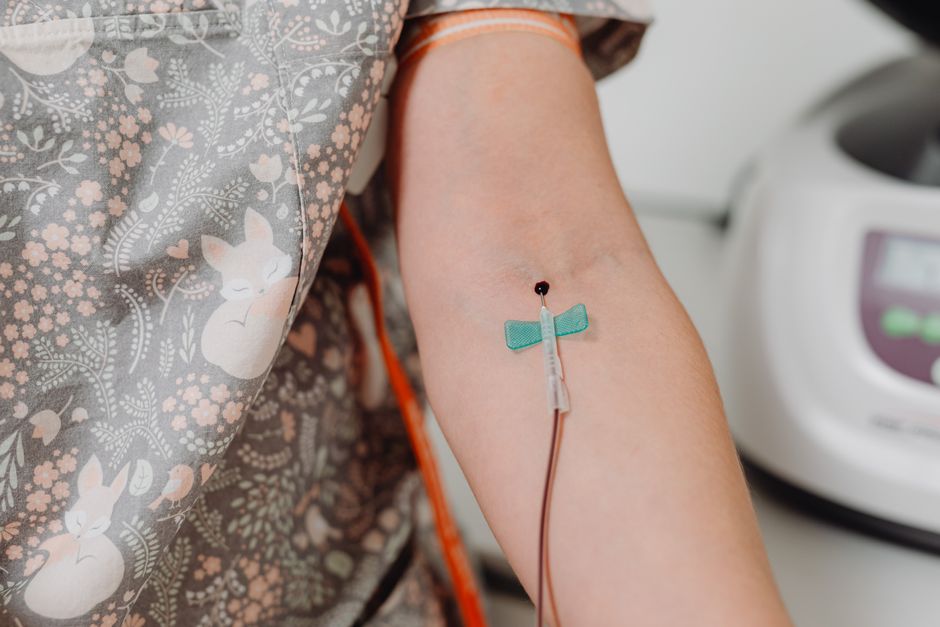
A C-reactive protein (CRP) test is a simple blood test that measures the level of CRP in your blood. CRP is a protein your liver produces in response to inflammation anywhere in your body. When inflammation is present, your CRP levels rise, making this test a reliable marker for detecting and monitoring inflammatory conditions.
What Is C-Reactive Protein In Blood Test?
The CRP test measures a protein your liver makes when your body has inflammation. Inflammation is your immune system’s natural response to infection, injury, or disease. When your body faces a threat, CRP levels can rise quickly — sometimes within hours — and fall just as fast once the threat passes.
Doctors use this test for two main reasons. First, to check for an infection or inflammatory condition. Second, to monitor how well a treatment for a chronic inflammatory disease is working. The test itself is straightforward: a healthcare provider draws blood from a vein in your arm and sends it to a lab for analysis.
Why Would a Doctor Order a CRP Test?
Your doctor may order a CRP test if you have symptoms of inflammation. These symptoms can include fever, fatigue, joint pain, or unexplained weight loss. The test helps determine whether inflammation is present and how severe it is.
Doctors also use CRP testing to monitor patients with known inflammatory conditions. These include rheumatoid arthritis, lupus, and inflammatory bowel disease. In these cases, the test tracks whether treatment is working. If CRP levels drop, the treatment is likely effective. If levels stay high or rise, the treatment may need adjustment.
A CRP test can also help distinguish between bacterial and viral infections. Bacterial infections tend to cause much higher CRP levels than viral infections. This information helps doctors decide whether antibiotics are appropriate.
What Do CRP Test Results Mean?
CRP levels are measured in milligrams per liter (mg/L). A normal CRP level is generally below 3 mg/L, though the exact reference range can vary slightly between laboratories.
- Below 3 mg/L: Normal. No significant inflammation is present.
- 3 to 10 mg/L: Mildly elevated. This can indicate minor inflammation, pregnancy, or even physical stress.
- 10 to 100 mg/L: Moderately elevated. This often signals a more significant infection or inflammatory condition.
- Above 100 mg/L: Markedly elevated. This suggests a serious infection, major trauma, or severe inflammatory disease.
Keep in mind that CRP levels alone do not diagnose a specific condition. A high level tells your doctor inflammation exists, but it does not say where or why. Your doctor will interpret CRP results alongside your symptoms, physical exam, and other tests to reach a diagnosis.




What Is the Difference Between CRP and hs-CRP?
There are two versions of the CRP test. The standard CRP test measures levels ranging from about 10 to 1000 mg/L. It is used for detecting significant inflammation and infection.
The high-sensitivity CRP test, called hs-CRP, measures much lower levels — typically from 0.5 to 10 mg/L. This test detects small amounts of inflammation that the standard test would miss. Doctors use hs-CRP specifically to assess cardiovascular risk. Research shows that people with persistently elevated hs-CRP levels have a higher risk of heart attack and stroke, even if their cholesterol levels are normal.
The two tests are not interchangeable. If your doctor wants to check for infection, they order a standard CRP test. If they want to evaluate heart disease risk, they order an hs-CRP test. Each test serves a different purpose.
What Can Cause High CRP Levels?
Many conditions can raise CRP levels. The most common causes include:
- Infections: Bacterial infections like pneumonia or urinary tract infections cause significant CRP elevations.
- Autoimmune diseases: Conditions like rheumatoid arthritis, lupus, and vasculitis trigger chronic inflammation.
- Tissue injury: Surgery, burns, fractures, and trauma cause CRP to spike.
- Chronic diseases: Obesity, diabetes, and high blood pressure are associated with low-level inflammation.
- Cancer: Some cancers produce inflammation, though CRP testing is not used to screen for cancer.
Lifestyle factors also influence CRP levels. Smoking, poor sleep, and a diet high in processed foods can raise CRP. Regular exercise and a diet rich in fruits, vegetables, and whole grains tend to lower it.
Can CRP Levels Be Lowered?
Yes, CRP levels can be lowered by treating the underlying cause. If a bacterial infection is driving CRP up, antibiotics will bring it down. If an autoimmune disease is the cause, anti-inflammatory medications like corticosteroids or biologics can reduce CRP levels.
For people with chronically elevated CRP from lifestyle factors, changes can help. Weight loss has been shown to reduce CRP levels. Regular physical activity lowers CRP. Quitting smoking reduces inflammation throughout the body. A Mediterranean-style diet — rich in olive oil, fish, nuts, and vegetables — is associated with lower CRP levels in some studies.
Some medications also lower CRP. Statins, which are used to treat high cholesterol, have been shown to reduce CRP levels. Aspirin and other anti-inflammatory drugs can lower CRP temporarily, but they are not typically used for this purpose alone.
It is important to understand that lowering CRP is not a goal in itself. The goal is treating the underlying condition causing inflammation. When the condition improves, CRP levels naturally fall.
Should You Get a CRP Test?
CRP testing is not part of routine screening for healthy people. Your doctor will order this test only if you have symptoms suggesting inflammation or if you have a condition that requires monitoring.
One exception is hs-CRP testing for cardiovascular risk assessment. Some doctors order hs-CRP for patients with intermediate heart disease risk — those with risk factors like high blood pressure, diabetes, or a family history of heart disease but no clear diagnosis. The test adds information that can help guide treatment decisions.
If you are concerned about inflammation in your body, talk to your doctor. They can determine whether CRP testing is appropriate based on your symptoms, medical history, and risk factors. Do not order a CRP test on your own without medical guidance — interpreting the results requires clinical context.
What Are the Limitations of the CRP Test?
CRP is a sensitive marker but not a specific one. It tells doctors that inflammation exists but not what is causing it. Many different conditions can raise CRP, which means the test alone cannot provide a diagnosis.
CRP levels also vary between individuals. Some people naturally have higher baseline levels than others. A single elevated reading may not be meaningful without a baseline to compare it to. For this reason, doctors sometimes order serial CRP tests to track trends over time.
Finally, CRP is not useful for detecting all types of inflammation. Some inflammatory conditions, particularly certain autoimmune diseases, may not cause significant CRP elevations. A normal CRP level does not rule out inflammation or disease.
Frequently Asked Questions
What is a normal CRP level?
A normal CRP level is generally below 3 mg/L. Levels between 3 and 10 mg/L indicate mild inflammation, which may require further investigation.
How long does it take to get CRP test results?
CRP test results typically take one to two days to come back from the lab. Some hospital labs can provide results within hours for urgent cases.
Can CRP levels be high without infection?
Yes, CRP levels can rise from autoimmune diseases, tissue injury, chronic conditions like obesity, and even intense physical stress. High CRP does not automatically mean you have an infection.
Is the CRP test the same as the hs-CRP test?
No, they are different tests. The standard CRP test detects significant inflammation, while the hs-CRP test measures low-level inflammation and is used to assess cardiovascular risk.
