
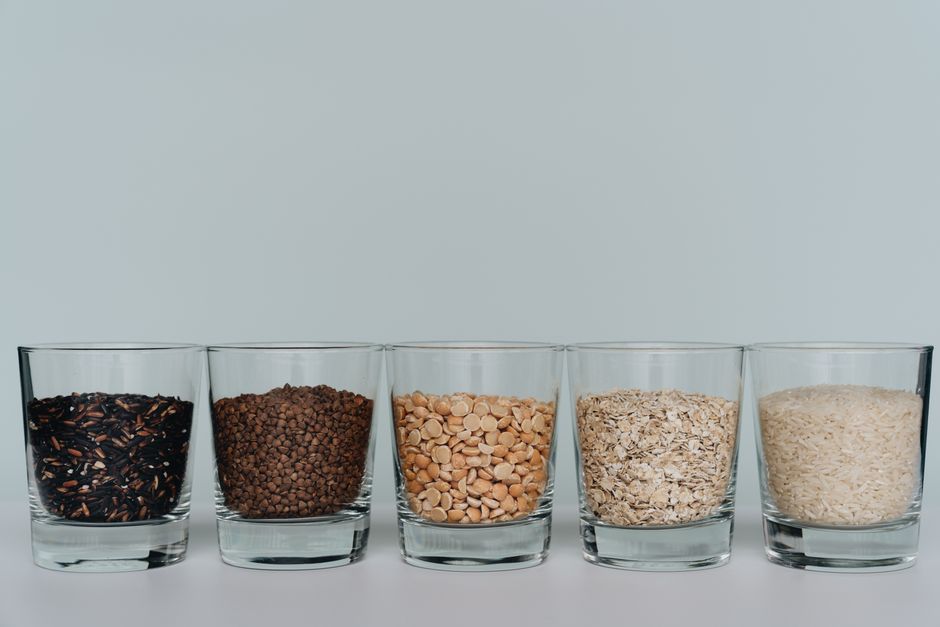
Broken rice is the name for rice kernels that break during milling, harvesting, drying, or transport. These fragments are not a different variety of rice — they are the same grain that simply did not survive the processing intact. While whole grains go to grocery stores, broken rice has a wide range of practical uses in food, animal feed, brewing, and industrial manufacturing. It is a staple ingredient in many cuisines, a cost-effective carbohydrate source for livestock, and a raw material for products ranging from flour to beer.
What Is Broken Rice Used For In Food?
Broken rice is widely used in human food, especially in Southeast Asia, West Africa, and parts of South America. It cooks faster than whole rice and absorbs flavors well, which makes it popular for dishes like congee, rice porridge, and rice puddings. In countries like Thailand and Vietnam, broken jasmine rice is a common household ingredient because it produces a softer, stickier texture that many people prefer for certain meals.
Broken rice is also ground into rice flour. Rice flour is a key ingredient in noodles, pancakes, crackers, and desserts. It is naturally gluten-free, which makes it useful for people with celiac disease or gluten sensitivity. Some research suggests that rice flour can be a suitable wheat flour substitute in many baked goods, though the texture and rise will differ from wheat-based products.
In the food industry, broken rice is often used as a cheaper alternative to whole rice in processed foods. It appears in soups, ready-to-eat meals, baby food, and snack products. The fragments behave the same as whole rice when cooked, so manufacturers can lower costs without changing the final product’s quality.
How Is Broken Rice Used In Animal Feed?
Broken rice is a valuable ingredient in livestock and poultry feed. It is high in carbohydrates and provides a concentrated source of energy for animals. In many parts of the world, it is fed to pigs, chickens, and cattle as a partial replacement for corn or other grains.
For poultry, broken rice is often included in starter and grower diets. It is easy to digest and helps young birds gain weight steadily. For pigs, broken rice can be cooked or steamed before feeding, which improves digestibility. Some research indicates that feeding broken rice to pigs produces growth rates comparable to feeding corn, provided the diet is balanced with protein and other nutrients.
One important consideration is that broken rice is low in protein and certain amino acids. It cannot be the sole feed ingredient. Farmers and feed manufacturers must combine it with protein sources like soybean meal or fish meal to meet the animals’ nutritional needs. When properly balanced, broken rice is a cost-effective feed option that performs well.
Is Broken Rice Used In Brewing And Distilling?
Yes, broken rice is a common ingredient in brewing and distilling. In beer production, it is used as an adjunct — a source of fermentable sugars that supplements barley malt. Rice adds a light, crisp character to beer and helps create a cleaner finish. Many commercial lagers, especially in Asia and the United States, use rice as a significant portion of their grain bill.
In distilling, broken rice is used to make rice spirits like sake in Japan and certain clear liquors in other countries. The rice is polished, fermented with a specific mold culture, and then brewed and aged. Sake production specifically requires a highly polished rice, and broken grains can be used in lower-grade sake varieties.
For home brewers, broken rice is a practical choice because it is cheaper than whole rice and mills more easily. It should be cooked before adding to the mash to gelatinize the starches, making them accessible to enzymes during fermentation.




What About Industrial Uses Of Broken Rice?
Broken rice has several industrial applications beyond food and feed. One of the most common is the production of rice starch. Rice starch is used in cosmetics, pharmaceuticals, and textile manufacturing. It has a fine particle size and a neutral taste, which makes it useful as a thickener, binder, or dusting agent.
Rice bran, which is sometimes separated from broken rice during processing, is used to produce rice bran oil. The oil is high in vitamin E and other antioxidants, and it is used in cooking as well as in cosmetic products. The leftover bran meal can be fed to animals or used as fertilizer.
Broken rice is also processed into rice syrup and rice maltodextrin. These are sweeteners used in food manufacturing, often in organic or gluten-free products. The production process involves breaking down the rice starches into simpler sugars using enzymes. The resulting syrup is less sweet than corn syrup but has a mild flavor that works well in certain applications.
Does Broken Rice Have The Same Nutritional Value As Whole Rice?
Broken rice is nutritionally similar to whole rice of the same variety. The breakage does not change the nutrient content of the grain itself. The key difference is that broken rice is almost always white rice, meaning the bran and germ have been removed during milling. Brown rice, in contrast, retains those layers and has more fiber, vitamins, and minerals.
If you compare broken white rice to whole white rice, the nutritional profiles are nearly identical. Both are primarily starch, with small amounts of protein and trace minerals. The main practical difference is texture and cooking time, not nutrition.
If you are choosing between broken rice and brown rice for health reasons, brown rice is the better choice because it contains more fiber and nutrients. But if you are comparing broken white rice to whole white rice, there is no meaningful nutritional advantage to spending more on the whole grains.
Is Broken Rice Cheaper Than Whole Rice?
Broken rice is typically 40 to 60 percent cheaper than whole rice in most markets. The price difference reflects the fact that broken rice is considered less visually appealing, not less nutritious. For consumers, this makes it an economical choice for dishes where the appearance of individual grains does not matter.
For food manufacturers and farmers, the cost savings can be substantial. A food company producing rice flour or rice-based snacks can significantly reduce raw material costs by using broken rice instead of whole grains. Similarly, livestock producers can lower feed costs without sacrificing nutritional quality.
The price of broken rice fluctuates with the global rice market. In years when rice harvests are abundant, broken rice prices drop further. In years with poor harvests, prices rise. But the price gap between broken and whole rice tends to remain consistent.
Where Can You Buy Broken Rice?
Broken rice is available in most Asian grocery stores, often labeled by its country of origin or rice type. It is also sold online through retailers that specialize in international foods. In some regions, it is available in mainstream supermarkets under names like “rice pieces” or “rice bits.”
When buying broken rice, check the packaging for the rice variety. Broken jasmine rice, broken basmati rice, and broken short-grain rice all have different cooking properties and flavors. Choose the variety that matches the dish you plan to make.
For animal feed, broken rice is often sold in bulk through agricultural supply stores or directly from rice mills. It may be labeled as “feed grade rice” or “rice mill byproduct.” Feed-grade broken rice may contain more debris or dust than food-grade broken rice, so do not use it for human consumption unless the packaging clearly states it is food-safe.
Does Cooking Broken Rice Differ From Cooking Whole Rice?
Broken rice cooks faster than whole rice because the smaller fragments absorb water more quickly. The cooking time is typically reduced by 5 to 10 minutes, depending on the variety and the cooking method. This makes broken rice convenient for quick meals.
The texture of cooked broken rice is softer and more porridge-like than whole rice. This is desirable for dishes like congee, rice pudding, or rice porridge. For dishes where separate, fluffy grains are important — like fried rice or pilaf — whole rice is a better choice.
For most cooking methods, the water-to-rice ratio is similar to whole rice, though you may need slightly less water because broken rice absorbs it faster. Start with the standard ratio for the rice variety and adjust based on the texture you want.
Frequently Asked Questions
Is broken rice safe to eat?
Yes, broken rice is safe to eat and is a common food ingredient in many countries. It is the same grain as whole rice, just fragmented during processing.
Can broken rice be used instead of whole rice in recipes?
Yes, but the texture will be softer and the cooking time shorter. It works well in soups, porridges, and casseroles, but not in dishes that require separate grains.
Is broken rice good for dogs or cats?
Broken rice is commonly used in commercial pet foods as a carbohydrate source. It is digestible and safe, but it should be cooked and served as part of a balanced diet.
