
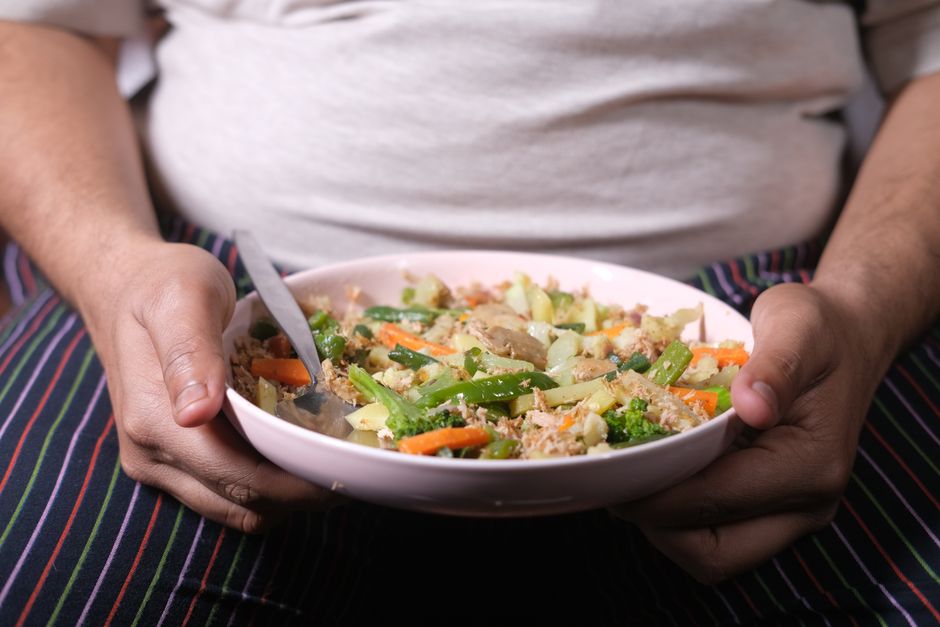
Indian food can be high in sodium, but it depends entirely on the dish and how it is prepared. Restaurant and takeout Indian meals tend to be the highest, often because of added salt, salty sauces, and high-sodium ingredients like pickles and papad. Home-cooked Indian food can be moderate or even low in sodium if you control the salt. The cuisine itself is not the problem. The cooking method and the amount of salt added are what matter.
Is Indian Food High In Sodium Heres The Truth
There is no single sodium level for Indian food. The range is wide. A bowl of plain dal cooked at home might have a few hundred milligrams of sodium. A restaurant curry with a creamy sauce, pickles, and bread can push past 1,500 milligrams in one meal.
Salt is the main source of sodium in food. A teaspoon of table salt contains about 2,300 milligrams of sodium. That is the full daily limit recommended for most adults by US dietary guidelines. So if a dish is salted heavily, it does not take much to reach that number.
Indian cooking often uses salt at multiple stages. It goes into the cooking water for rice and lentils. It goes into the masala base. It goes into marinades. And then salty condiments sit on the side. Each addition adds up.
The cuisine also relies on ingredients that carry their own sodium before any salt is added. Pickles, papad, and some chutneys are preserved with salt. That is part of what makes them shelf-stable and flavorful. But it also means a small serving can deliver a large share of your daily sodium.
Why Does Indian Restaurant Food Have So Much Sodium?
Restaurant cooking across all cuisines tends to use more salt than home cooking, and Indian restaurants are no exception. Salt makes food taste richer and more complete. In a commercial kitchen, it is added freely and often without measurement.
Several specific Indian restaurant practices raise sodium further.
- Salt in the base masala. Onion, tomato, and ginger-garlic bases are salted early and salted again later.
- Salt in the cooking water. Rice, lentils, and sometimes vegetables are cooked in salted water.
- Condiments on the plate. Pickle, chutney, and raita can each add sodium before you take a bite of the main dish.
- Papad. These thin crisps are made from lentil or chickpea flour and salt. They are naturally high in sodium.
- Bread. Naan and some flatbreads are salted and sometimes brushed with salted butter or ghee.
- Paneer and cheese-based dishes. Paneer itself is not heavily salted, but the sauces it sits in usually are.
A single restaurant meal with a curry, rice, bread, and a side of pickle can easily exceed the daily sodium limit for an adult. That is not unique to Indian food. The same is true of many restaurant meals. But the combination of salty sauces, salty breads, and salty condiments makes Indian takeout a particular concern for anyone watching sodium.
How Much Sodium Is In Common Indian Dishes?
Exact numbers vary by recipe, portion size, and restaurant. The ranges below are general guides based on typical preparation. They are not precise measurements.
| Dish | Typical Sodium Range | Main Sodium Sources |
|---|---|---|
| Plain dal (home-cooked) | Low to moderate | Added salt, cooking water |
| Restaurant dal makhani | High | Salt, butter, cream, tomato base |
| Chicken tikka masala | High | Salted marinade, salted sauce |
| Palak paneer | Moderate to high | Salt, paneer, cooking water |
| Vegetable biryani | Moderate to high | Salted rice water, masala, salt |
| Naan bread | Moderate | Salt in dough, salted butter topping |
| Mango chutney | Moderate | Salt, sugar |
| Lime or mango pickle | Very high | Salt used for preservation |
| Papad | High | Salt in the dough |
| Raita | Low to moderate | Salt, sometimes added to yogurt |
The pattern is clear. Dishes built on salted sauces and served with salty sides carry the most sodium. Simple dishes like plain rice, plain yogurt, and unsalted vegetables carry the least.


Is Home-Cooked Indian Food Lower In Sodium?
Yes, usually by a wide margin. When you cook at home, you decide how much salt goes in. That single factor changes the sodium content more than any ingredient swap.
Home cooks also tend to use less salt than restaurant kitchens because they are not trying to make every bite maximally flavorful for a paying customer. The difference is real and it is large.
There is a common belief that Indian home cooking is automatically low in sodium. That is not always true. Some home recipes still call for generous salt, and many families keep pickle and papad on the table at every meal. Those habits matter. A home-cooked meal with a large scoop of pickle can still be high in sodium.
So home cooking is lower in sodium on average, but it is not automatically low. It depends on what you add and how much.
Which Indian Ingredients Are Highest In Sodium?
A few ingredients do most of the sodium damage. Knowing them helps you spot where the sodium is coming from.
- Pickles (achar). Salt is the primary preservative. A small serving can carry a large amount of sodium.
- Papad. Salt is mixed into the dough before drying. Roasting or frying does not reduce it.
- Chutneys. Some are salted heavily, especially those made with tamarind or preserved ingredients.
- Ready-made curry pastes and sauces. Jarred masala pastes are salted for shelf life and flavor.
- Commercial spice blends. Many packaged masalas and curry powders include salt as an ingredient.
- Salt itself. The single largest contributor in most dishes.
Fresh ingredients like vegetables, lentils, plain rice, plain yogurt, and unsalted paneer are naturally low in sodium. The sodium comes almost entirely from what you add.
How Can You Lower The Sodium In Indian Food?
You can reduce sodium in Indian cooking without giving up the cuisine. The changes are practical and they work.
- Salt the dish at the end, not throughout. You taste more salt on the surface with less total used.
- Skip salt in the cooking water for rice and lentils. Drain and season the final dish instead.
- Use fresh herbs, citrus, and spices to build flavor. Acid and aroma can carry a dish without salt.
- Limit pickle and papad to small portions, or leave them off the plate entirely.
- Make chutneys at home so you control the salt.
- Check labels on jarred pastes and spice blends. Salt is often listed as an ingredient.
- Add salt-free sides like plain yogurt, cucumber, and fresh salad.
- When eating out, ask for sauces and pickles on the side so you decide how much to use.
None of these steps remove all the sodium. But together they can bring a meal down substantially. The goal is not zero sodium. Your body needs some sodium to function. The goal is to stay within a range that supports healthy blood pressure.
Does Sodium In Indian Food Affect Blood Pressure?
Sodium intake is linked to blood pressure. This is well established. High sodium intake raises blood pressure in many people, and reducing sodium can lower it. The effect varies from person to person, but the overall relationship is consistent across large studies.
For people with high blood pressure, heart disease, or kidney disease, sodium matters more. For others, it still matters, just at a different level. US dietary guidelines recommend most adults keep sodium under 2,300 milligrams per day. Many health organizations suggest lower targets for people with existing conditions.
Indian food can fit within those limits. It can also blow past them easily if it is restaurant food eaten often, or home food loaded with pickle and salted sauces. The cuisine is not the issue. The salt level is.
One useful point that often gets missed: the sodium in a meal is not just about how salty it tastes. Some high-sodium dishes do not taste especially salty because sugar, fat, and acid mask the salt. A creamy curry can carry a lot of sodium without triggering a strong salty taste. Taste is not a reliable guide to sodium content.
Frequently Asked Questions
Is Indian food generally high in sodium?
It varies widely. Restaurant Indian food and dishes with pickles, papad, and salted sauces tend to be high, while simple home-cooked dishes can be moderate or low.
The cuisine itself does not determine sodium. The amount of salt added and the condiments served with it do.
Is dal high in sodium?
Plain home-cooked dal is usually low to moderate in sodium. Restaurant dal, especially creamy versions like dal makhani, is typically much higher because of added salt, butter, and cream.
What Indian foods should I avoid if I am watching sodium?
Pickle, papad, and heavily salted restaurant curries are the biggest sources. Jarred curry pastes and packaged spice blends that list salt as an ingredient also add up quickly.
Can I eat Indian food on a low-sodium diet?
Yes, if you cook at home and control the salt. Skip the pickle and papad, salt at the end rather than throughout, and use fresh herbs and citrus for flavor.
If you have a medical condition that requires sodium restriction, talk to your doctor or a registered dietitian about your specific target.
