
Zero-carb foods are animal products and a few plant-derived items that contain no measurable carbohydrate per serving. The list is shorter than most people expect. It includes beef, pork, poultry, fish, shellfish, eggs, and most hard cheeses. Butter, lard, tallow, and plain olive oil also qualify. Plain water, black coffee, and unsweetened tea contain no carbs.
Almost everything else — including vegetables, nuts, and dairy with any sweetness — carries at least some carbohydrate. Understanding where the true zero line falls matters whether you are following a ketogenic diet, managing blood sugar, or simply trying to cut back on processed starches.
What Doesnt Have Carbs A Zero Carb Food List?
Foods with zero carbohydrates are limited to animal flesh, animal fats, eggs, certain cheeses, and a small group of pure fats and zero-calorie drinks. The table below shows the main categories.
| Category | Examples | Carbohydrate per typical serving |
|---|---|---|
| Red meat | Beef, lamb, pork, veal, venison | 0 g |
| Poultry | Chicken, turkey, duck | 0 g |
| Fish and seafood | Salmon, cod, shrimp, tuna, scallops | 0 g |
| Eggs | Chicken eggs, duck eggs | 0 g |
| Hard cheeses | Cheddar, parmesan, Swiss, gouda | 0-1 g per ounce |
| Fats | Butter, lard, tallow, olive oil, coconut oil | 0 g |
| Drinks | Water, black coffee, plain tea | 0 g |
Two things trip people up here. First, “zero carb” on a nutrition label does not always mean the food contains absolutely no carbohydrate. In the United States, a product can be labeled as having zero grams of carbohydrate if it contains less than 0.5 grams per serving. Small amounts can add up if you eat several servings.
Second, preparation changes the count. Plain chicken breast has no carbs. Chicken breaded and fried does. The food itself is only part of the picture.
Are Eggs and Cheese Really Carb-Free?
Eggs contain no carbohydrate. A whole chicken egg has roughly 0.5 grams or less, which rounds to zero on most labels. That holds for fried, scrambled, boiled, and poached eggs — as long as nothing with carbs goes into the pan.
Cheese is more complicated. Hard, aged cheeses like cheddar, parmesan, and Swiss are naturally very low in carbs because the aging process consumes most of the milk sugar. A one-ounce serving typically lands between zero and one gram.
Fresh cheeses are a different story. Cottage cheese, ricotta, and cream cheese retain more lactose, the natural sugar in milk. A half-cup of cottage cheese can carry several grams of carbohydrate. Processed cheese spreads often add starches or sugars on top of that.
Heavy cream sits in the middle. It has less lactose than milk but is not truly zero. Check the label if you are counting closely.
Do Vegetables Ever Have Zero Carbs?
No vegetable is truly zero-carb. All plant foods contain some carbohydrate because plants build their structure from it. That includes leafy greens, which people sometimes assume are carb-free.
That said, several vegetables are low enough in carbs that they fit comfortably into very low-carb eating patterns. Spinach, romaine lettuce, arugula, cucumber, zucchini, and celery all contain only a few grams of carbohydrate per cup. Much of that is fiber, which the body does not digest the same way it digests starch or sugar.
This is where carbohydrate counting gets interesting. On a nutrition label, “total carbohydrates” includes fiber. “Net carbs” subtracts it. Many people following low-carb diets track net carbs rather than total carbs. Whether that approach matters for your goals is a question worth discussing with a doctor or dietitian, because the research on net carbs and blood sugar response is not settled.
The vegetables that clearly do not belong on a zero-carb list are potatoes, corn, peas, and winter squash. These are starchy and carry meaningful carbohydrate loads.



What About Nuts, Seeds, and Oils?
Nuts and seeds are not zero-carb foods. Almonds, walnuts, pecans, and peanuts all contain carbohydrate, typically a few grams per ounce. They are low-carb compared to grains, but they are not zero.
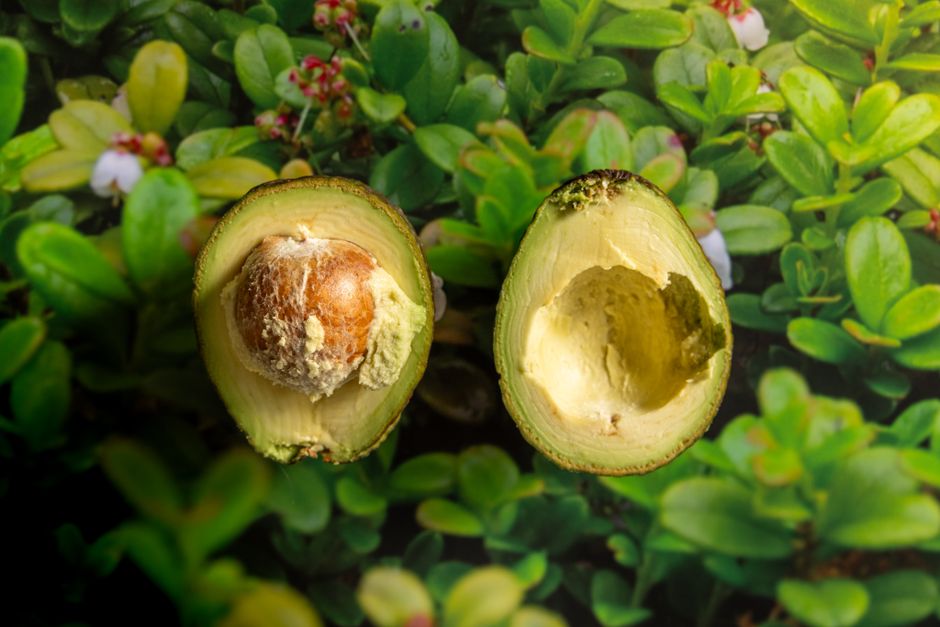
Pure oils are different. Olive oil, coconut oil, avocado oil, and animal fats like butter, lard, and tallow contain no carbohydrate at all. They are pure fat. The same goes for plain butter, though flavored or whipped butter products sometimes add ingredients that change the count.
One clarification worth making: fat is not the same as carbohydrate, and eating fat does not raise blood sugar. This is basic physiology, not a diet claim. If a food is pure fat, it has no carbohydrate by definition.
Are Zero-Carb Drinks Really Zero?
Plain water has no carbohydrates. So do unflavored sparkling water, black coffee, and unsweetened tea. These are genuinely zero.
Most other drinks are not. Fruit juice, soda, sweetened coffee drinks, sports drinks, and most plant milks contain carbohydrate. Even unsweetened almond milk usually has a gram or two per cup.
Diet soda is a special case. It is usually labeled zero calories and zero carbs because it uses artificial sweeteners instead of sugar. Whether that earns it a place on a zero-carb list depends on how strictly you define the term. The sweeteners themselves are not carbohydrates in the nutritional sense, but some research suggests certain sugar alcohols and artificial sweeteners may affect blood sugar or gut bacteria in ways that are still being studied. The evidence is mixed and not strong enough to make firm claims either way.
Alcohol is its own category. Distilled spirits like vodka, whiskey, and gin contain no carbohydrate. Wine and beer do. Mixers almost always do.
Why Does the Zero-Carb List Matter?
People seek out zero-carb foods for different reasons. Some follow ketogenic diets, which aim to keep carbohydrate intake low enough to shift the body’s primary fuel source. Others manage type 2 diabetes and want to limit blood sugar spikes. Some simply want to reduce processed starches.
The list matters most for the first two groups because carbohydrate intake directly affects blood glucose. For someone with diabetes, knowing that plain chicken and cheddar have essentially no effect on blood sugar while cottage cheese does is practical information.
It is worth being honest about what a zero-carb diet is and is not. No major health organization recommends eating zero carbohydrates long-term. The human body can produce the small amount of glucose it needs without dietary carbohydrate, so a true zero-carb diet is biologically possible. Whether it is optimal, safe for decades, or better than a low-carb diet with vegetables is not established by strong evidence.
Very low-carb diets have been studied for short-term weight loss and blood sugar control, and some research supports benefits in those areas over the short term. Long-term data is thinner. Anyone considering a strict zero-carb approach — especially anyone taking diabetes medication, blood pressure medication, or blood thinners — should talk to a doctor first, because dietary changes of that size can interact with medications.
How Do You Spot Hidden Carbs?
Reading labels is the most reliable way to find carbohydrates hiding in foods that seem carb-free. A few common places they show up:
- Marinades and sauces on meat, which often contain sugar or cornstarch
- Breaded or battered fish, chicken, and vegetables
- Processed meats like sausage, deli slices, and hot dogs, which may include fillers or added sugar
- Flavored yogurt, flavored coffee creamers, and sweetened plant milks
- Seasoning blends, which sometimes include sugar or starch as anti-caking agents
Checking the “added sugars” line on the nutrition label catches most of these. Ingredients lists help too — anything ending in “-ose” is a sugar.
The simplest rule is this: the closer a food is to its natural state, the easier it is to know what is in it. A plain steak has no carbs. A steak with teriyaki glaze does.
Frequently Asked Questions
What foods have absolutely zero carbs?
Meat, poultry, fish, shellfish, eggs, pure fats like butter and olive oil, and zero-calorie drinks like water and black coffee contain no measurable carbohydrate. Hard aged cheeses are close to zero, usually under one gram per ounce.
Is cheese a zero-carb food?
Hard aged cheeses like cheddar and parmesan are effectively zero-carb, while fresh cheeses like cottage cheese and ricotta contain lactose and therefore some carbohydrate. Check the label, since processed cheese products often add starches or sugars.
Can you eat zero carbs and stay healthy?
The body can make the glucose it needs without dietary carbohydrate, so a zero-carb diet is biologically possible. However, no major health organization recommends it long-term, and the evidence on long-term safety and outcomes is limited.
Do eggs have carbs?
Eggs contain less than half a gram of carbohydrate each, which rounds to zero on nutrition labels. Preparation matters — adding bread, sugar, or starchy ingredients changes the count.
