
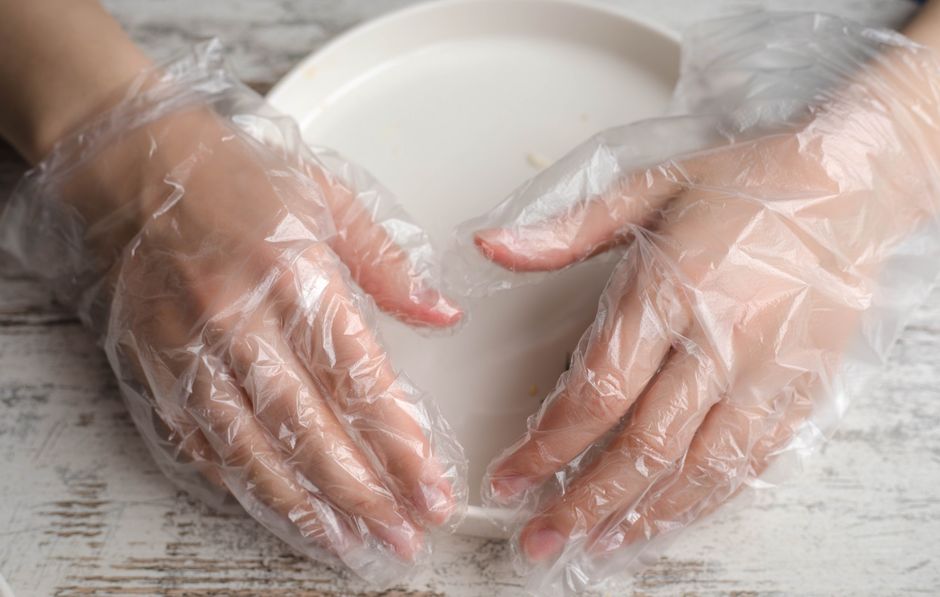
Cellophane is a thin, transparent film made from plant cellulose, and the cellophane used to wrap food is generally safe for that purpose. The key word is “food.” Not all cellophane is made the same way, and some types — especially wraps used for gift baskets or floral arrangements — are not meant to touch what you eat. The food-grade version sold in grocery stores and used by butchers and bakers is regulated and considered safe for direct contact with food.
That distinction matters more than most people realize. Cellophane has been around for over a century, and the way it is made has changed. The safety question is not really about cellulose itself, which is the same fiber found in celery and apples. It is about what gets added to the film during manufacturing and whether those additives can migrate into your food.
What Is Cellophane Actually Made Of?
Cellophane is made from cellulose, a natural polymer that gives plants their structure. To turn that fiber into a clear film, manufacturers dissolve the cellulose and then regenerate it into a thin sheet. This is why cellophane is sometimes called “regenerated cellulose” on ingredient and packaging labels.
Pure regenerated cellulose is stiff and brittle, and it absorbs moisture easily. On its own, it would make a poor food wrap. So manufacturers add softeners, called plasticizers, and often a moisture-resistant coating. The most common plasticizer historically was glycerin, which is generally recognized as safe. Others have included urea and various glycols.
The coating is where the chemistry gets more interesting. Uncoated cellophane lets moisture pass through, so it fogs up and lets food dry out. To fix that, makers apply a thin layer of nitrocellulose, wax, or a polymer to one or both sides. This is what makes cellophane good at keeping baked goods fresh and candies from sticking.
So when you ask whether cellophane is safe, you are really asking about three things: the cellulose base, the plasticizers, and the coating. Food-grade cellophane is designed so that all three are safe for contact with food under normal use.
Is Cellophane Food Safe for Wrapping and Storing Food?
Yes, food-grade cellophane is considered safe for direct contact with food. In the United States, food-contact materials like this are regulated by the FDA, which reviews the substances used and sets limits on how much can migrate into food.
The “food-grade” label is the part that matters. Cellophane sold specifically for food use has to meet those standards. Cellophane made for other purposes — wrapping gift baskets, protecting flowers, covering a picture frame — does not. It may use different plasticizers or coatings that were never evaluated for food contact.
This is the single most practical point in this whole article. If the cellophane came wrapped around a food product, it is almost certainly food-grade. If you bought a roll of cellophane at a craft store to make gift baskets, do not use it to wrap a sandwich.
There is also a distinction between cellophane and other clear films. Many “plastic wraps” sold today are not cellophane at all. They are made from polyethylene or polyvinylidene chloride (often called PVDC or Saran). These look similar but are chemically different, and they carry their own safety considerations. If a label says “cellophane,” it should be regenerated cellulose. If it says “plastic wrap,” it likely is not.
Can Chemicals From Cellophane Get Into Your Food?
Small amounts of substances can migrate from any food-contact material into food, including cellophane. This is expected and is part of what regulators evaluate. The question is whether the amount is low enough to be considered safe.
For food-grade cellophane, the answer from regulators has generally been yes. The plasticizers and coatings used are chosen because they have low toxicity and low migration under normal conditions. Heat, fatty foods, and long contact times can increase migration, which is why some wraps carry instructions about not using them in the microwave or with high-fat foods.
That said, the evidence here is not unlimited. Long-term human studies on cellophane migration specifically are not something you will find in large numbers. The safety assessment rests mainly on migration testing, toxicology data on the individual substances, and decades of use without clear evidence of harm. That is a reasonable basis for confidence, but it is not the same as a large clinical trial.
One clarification worth making: cellulose itself passes through the human digestive tract largely undigested. It is insoluble fiber. If a tiny fragment of cellophane were swallowed, it would not be broken down and used by your body. This is not a recommendation to eat it, but it explains why cellulose-based materials are generally viewed as low-risk compared with some synthetic films.



Is Cellophane Safe in the Microwave?
Most cellophane is not designed for microwave use, and you should assume it is not unless the package says otherwise. Heat increases the movement of molecules, including plasticizers and coating materials, which can raise how much migrates into food.
Some wraps are labeled microwave-safe, and those have been tested for that use. If your cellophane does not say it is microwave-safe, keep it out of the microwave. This is a case where the label is doing real work.
There is a second issue with microwaving any thin film: it can melt, stick to food, or even catch fire if it is not rated for the heat. That is a physical hazard separate from any chemical concern.
How Does Cellophane Compare to Other Food Wraps?
Cellophane is one option among several. Each has different properties and different safety profiles. The table below compares the most common food wraps on the basics.
| Wrap Type | Made From | Moisture Barrier | Common Food Use |
|---|---|---|---|
| Cellophane | Regenerated cellulose | Low unless coated | Candy, baked goods, produce |
| Polyethylene (PE) | Plastic | Moderate | General food storage |
| PVDC (Saran) | Plastic | High | Tight wrapping, leftovers |
| Beeswax wrap | Cotton, beeswax, oil | Low to moderate | Cheese, produce, bowls |
Cellophane’s main advantage is that it comes from a renewable plant source and is often marketed as more environmentally friendly. Its main drawback is that it is a poor moisture barrier unless coated, and the coating itself is usually not biodegradable. So the “eco-friendly” claim depends heavily on which cellophane you buy.
PVDC wrap has the best moisture and oxygen barrier, which is why it clings so well. Polyethylene is the workhorse for general storage. Beeswax wraps are reusable and compostable but do not seal tightly and should not be used for raw meat.
Is Cellophane Bad for the Environment?
Cellophane is often described as biodegradable because cellulose breaks down. That part is true for the base film. The problem is the coating.
Most food-grade cellophane is coated with nitrocellulose or a similar material that does not break down as readily. That means the whole sheet may not compost the way the marketing suggests. Some newer products use compostable coatings, but you have to read the label to know what you are getting.
This is a good example of why “plant-based” and “biodegradable” are not the same claim. Cellulose is plant-based. Whether the finished film biodegrades depends on everything added to it.
What Should You Do If You Are Unsure?
If you cannot tell whether a piece of cellophane is food-grade, do not use it on food. The cost of a new roll of food wrap is low. The uncertainty is not worth it.
For everyday use, the practical rules are simple:
- Use cellophane labeled for food contact when wrapping food.
- Follow any microwave instructions on the package, and assume “no” if there are none.
- Keep craft-store cellophane away from food.
- For fatty or hot foods, use wraps specifically rated for that use.
None of this is complicated. Cellophane has a long safety record when used as intended. The risks come from using the wrong product in the wrong way, not from cellophane itself.
Frequently Asked Questions
Is cellophane safe to put in the microwave?
Only if the package specifically says it is microwave-safe. Regular cellophane can melt or release more additives into food when heated, so keep it out of the microwave unless labeled for that use.
Can you eat food wrapped in cellophane?
Yes, food-grade cellophane is designed for direct contact with food and is safe for that purpose. Cellophane not labeled for food use, such as craft-store wrap, should never touch what you eat.
Does cellophane contain plastic?
Cellophane is made from regenerated cellulose, not from petroleum-based plastic. However, most food-grade cellophane has a thin coating that may be synthetic, so it is not purely plant material.
Is cellophane better than plastic wrap?
Not necessarily. Cellophane comes from a renewable source but is a weaker moisture barrier unless coated. Plastic wraps like polyethylene and PVDC often seal better, so the better choice depends on what you are storing.
