
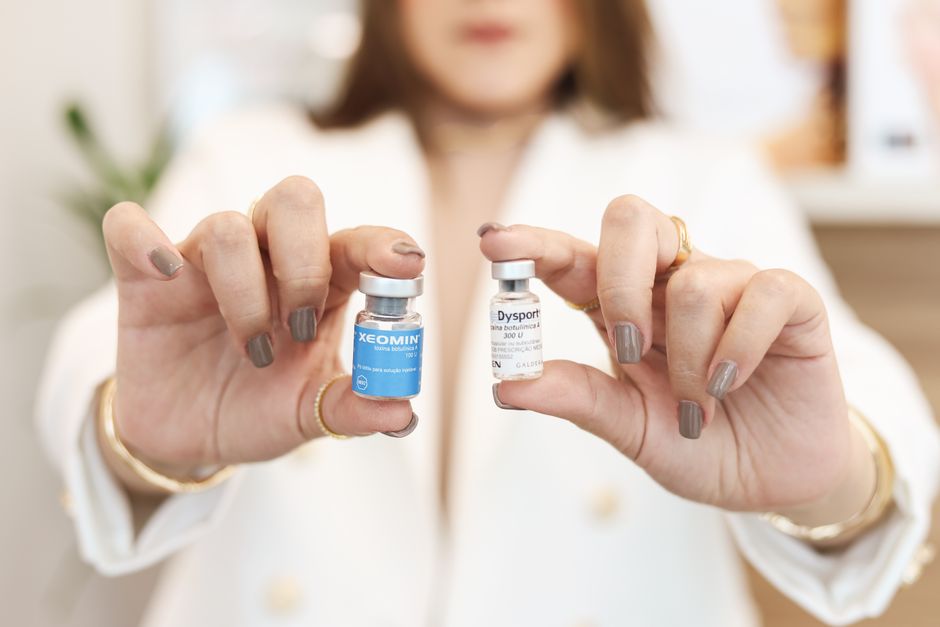
Botox is a purified protein that temporarily paralyzes muscles by blocking nerve signals. It is made from botulinum toxin type A, produced by the same bacterium that causes botulism, but in tiny, controlled doses it is safe for medical and cosmetic use. The treatment works by preventing specific muscles from contracting, which smooths wrinkles and treats certain medical conditions. Side effects are usually mild and temporary, but understanding what Botox can and cannot do helps you make an informed decision.
What Exactly Is Botox and How Does It Work?
Botox is the brand name for a drug called onabotulinumtoxinA. It belongs to a class of drugs known as neurotoxins. When injected into a muscle, it blocks the release of acetylcholine, a chemical that tells the muscle to contract. Without that signal, the muscle stays relaxed and cannot move.
This effect is temporary. The body gradually breaks down the Botox protein, and nerve endings grow back within three to six months. Muscle function returns to normal once the drug wears off. The treatment does not kill cells or permanently damage tissue. It simply pauses communication between the nerve and the muscle.
Research published in the Journal of the American Academy of Dermatology has confirmed that Botox is effective for reducing moderate to severe frown lines, crow’s feet, and forehead wrinkles. The U.S. Food and Drug Administration (FDA) has approved it for these cosmetic uses since 2002.
What Are the Medical Uses of Botox?
Botox is not just for wrinkles. It treats several medical conditions where unwanted muscle spasms or excessive sweating are the problem. The FDA has approved it for chronic migraine, overactive bladder, cervical dystonia (neck muscle spasms), strabismus (crossed eyes), and severe underarm sweating that does not respond to antiperspirants.
For chronic migraine, Botox is injected into multiple sites around the head and neck. Studies have shown it reduces headache days by about 50 percent in people who get migraines 15 or more days per month. The American Headache Society lists Botox as a first-line preventive treatment for this specific type of migraine.
For overactive bladder, Botox relaxes the bladder muscle, which reduces urgency and leakage. A clinical trial published in the New England Journal of Medicine found that patients had significantly fewer incontinence episodes after Botox injections compared to placebo. Results last six to nine months.
Other off-label uses include treating jaw clenching, TMJ disorder, and certain types of chronic pain. Evidence for these uses is less strong. Some small studies suggest benefit, but large controlled trials are still needed.
What Are the Side Effects of Botox?
Most side effects are mild and go away on their own within a few days. The most common are bruising, swelling, pain, or redness at the injection site. Headache and flu-like symptoms can also occur but are usually short-lived.
More serious side effects are rare but possible. If Botox spreads beyond the injection site, it can cause muscle weakness far from the area treated. This is called botulism-like effects. Symptoms include drooping eyelids, double vision, difficulty swallowing, slurred speech, or trouble breathing. The FDA requires a boxed warning on Botox labels about this risk.
Cosmetic-specific side effects include eyelid drooping if the toxin spreads to nearby muscles. This happens in about 1 to 3 percent of treatments according to the American Society for Dermatologic Surgery. It is temporary and resolves as the Botox wears off.
Allergic reactions are possible but very rare. Signs include itching, rash, wheezing, or dizziness. Anyone with a known allergy to botulinum toxin or any ingredient in the formula should not receive Botox.
| Side Effect | How Common | How Long It Lasts |
|---|---|---|
| Bruising at injection site | Very common (10-25%) | 3-7 days |
| Headache | Common (5-10%) | 1-2 days |
| Eyelid drooping | Uncommon (1-3%) | 2-6 weeks |
| Difficulty swallowing | Rare (less than 1%) | Weeks to months |
| Allergic reaction | Very rare | Varies |





Does Botox Wear Off and How Often Do You Need It?
Yes, Botox always wears off. The effects last between three and six months depending on the dose, the area treated, and your individual metabolism. Some people notice results fade faster with repeated use, but this is not consistent across all patients.
For cosmetic use, most people schedule treatments every three to four months. For medical conditions like chronic migraine or overactive bladder, the schedule is usually every 12 weeks. The FDA-approved dosing intervals are clearly defined for each condition.
If you stop getting Botox, your muscles will gradually return to full function. Wrinkles will reappear, but they will not be worse than before. The idea that Botox makes wrinkles more prominent over time is not supported by evidence. A study in Dermatologic Surgery followed patients for two years and found no permanent change in wrinkle severity after stopping treatment.
Who Should Not Get Botox?
Botox is not safe for everyone. The FDA lists several contraindications. Pregnant or breastfeeding women should not receive Botox because its safety in these groups has not been studied. People with a neurological condition called amyotrophic lateral sclerosis (ALS), myasthenia gravis, or Lambert-Eaton syndrome should avoid Botox because it can worsen muscle weakness.
Anyone with a history of botulism-like symptoms from previous injections should not be treated. People taking certain antibiotics called aminoglycosides may have a higher risk of side effects. Always tell your provider about every medication and supplement you take.
Botox should only be administered by a licensed healthcare professional with training in the procedure. The American Academy of Dermatology warns against getting injections at spas, parties, or from unlicensed providers. Complications are more common when the person injecting lacks proper training.
Common Misconceptions About Botox
One widespread myth is that Botox is a permanent fix. As explained above, it is temporary. Another myth is that Botox freezes your face completely. When done correctly by an experienced provider, Botox softens wrinkles while preserving natural facial expressions. Over-treatment can cause a frozen look, but this is a dosing error, not an inherent property of the drug.
Some people believe Botox is toxic and dangerous in any amount. The doses used in medical and cosmetic treatments are far below the amount that causes illness. The average cosmetic treatment uses 20 to 60 units. The lethal dose of botulinum toxin is estimated at 2,500 to 3,000 units for a 150-pound person. The safety margin is very wide.
A final misconception is that Botox is only for older adults. People in their late twenties and early thirties sometimes use Botox to prevent wrinkles from forming. This is called “preventive Botox.” Evidence on whether it actually prevents wrinkles long-term is limited. Some dermatologists believe it may delay the formation of static wrinkles, but no large studies have proven this yet.
What to Avoid Before and After Botox
Before your appointment, avoid blood thinners to reduce bruising risk. This includes aspirin, ibuprofen, naproxen, fish oil, vitamin E, and alcohol. The American Society of Plastic Surgeons recommends stopping these at least 48 hours before treatment. Check with your doctor first if you take blood thinners for a medical condition.
After treatment, do not rub or massage the injected areas for 24 hours. Rubbing can spread the toxin to unintended muscles. Avoid lying down for four hours after the injection. Do not exercise heavily, use a sauna, or expose your face to extreme heat for 24 hours. These activities can increase blood flow and potentially speed up how fast the Botox breaks down.
Results are not immediate. It takes 24 to 72 hours for the effect to start, and full results appear in about two weeks. If you do not see results after two weeks, contact your provider. Some people need a small touch-up dose.
What Is Botox How It Works Uses And Side Effects?
Botox is a neurotoxin that temporarily blocks nerve signals to muscles, causing them to relax. It is used cosmetically to smooth wrinkles and medically to treat conditions like chronic migraine, overactive bladder, and muscle spasms. Side effects include bruising, headache, and rarely drooping eyelids or muscle weakness. The effects last three to six months, and the treatment is safe when administered by a trained professional.
Frequently Asked Questions
Does Botox hurt?
Most people describe the injection as a quick pinch. The needles are very fine, and many providers use ice or numbing cream beforehand.
How long does Botox take to work?
You may notice changes within 24 hours, but full results appear after two weeks. Some people take longer depending on their metabolism.
Can Botox cause permanent damage?
No. Botox effects are always temporary because the body breaks down the protein and nerve endings regrow. Serious side effects are rare and reversible.
Is Botox safe for under-eye wrinkles?
Botox is not typically used under the eyes because it can cause drooping or puffiness. Fillers or laser treatments are more common for that area.
