
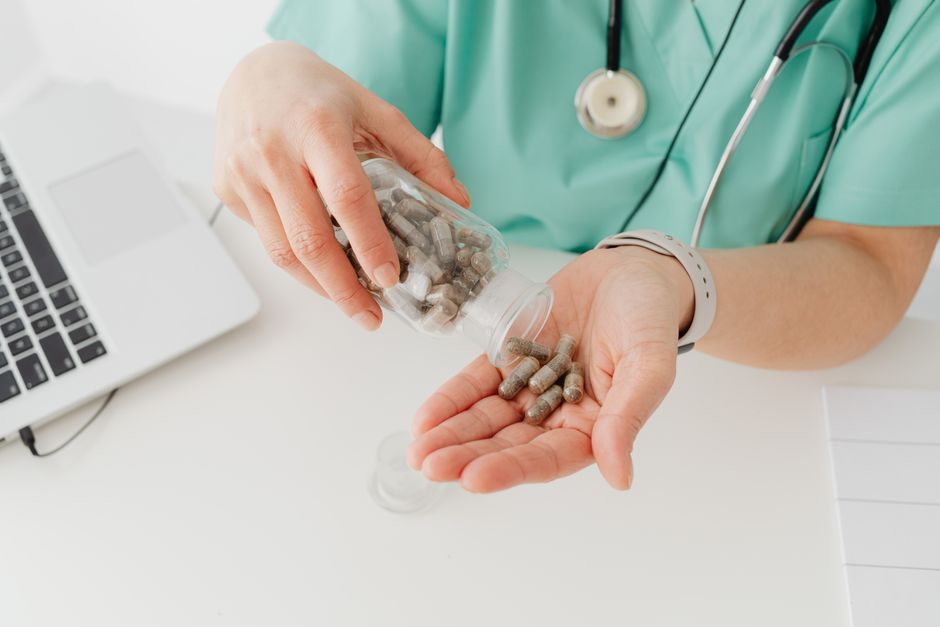
Bacillus coagulans is a unique type of probiotic because it forms spores. Most probiotics are fragile and die in stomach acid. Bacillus coagulans survives the stomach by turning into a dormant spore, then reactivates in the intestines. This spore-forming ability is why it works differently than common probiotics like Lactobacillus or Bifidobacterium.
What Is Bacillus Coagulans and How Is It Different?
Bacillus coagulans is a bacteria species that scientists first identified in 1915. It lives in soil and fermented foods. Unlike many probiotics that come from the human gut, this one comes from the environment.
The key difference is its spore. When conditions are harsh, like in hot temperatures or acidic environments, the bacteria forms a hard shell around itself. This is called a spore. Think of it like a seed that waits for the right conditions to grow.
Most probiotic supplements contain live bacteria that must stay refrigerated. They can die in your stomach acid before reaching your gut. Bacillus coagulans does not have this problem. The spore passes through stomach acid intact and only becomes active in your intestines where the pH is neutral.
How Bacillus Coagulans Works As a Probiotic in Your Gut
Once the spore reaches your small intestine, it wakes up. The warm, neutral environment triggers the spore to germinate. Within hours, the bacteria start multiplying and producing beneficial compounds.
Bacillus coagulans produces lactic acid as it grows. This lowers the pH in your gut, which makes it harder for harmful bacteria to survive. It also produces enzymes that help break down food. Some strains create a compound called coagulin, which is a natural antimicrobial that fights certain pathogens.
Research shows that Bacillus coagulans can survive at temperatures up to 185°F. This means you can add it to hot foods or drinks without killing it. Current research suggests this heat stability makes it more versatile than other probiotics for cooking and baking.
What Does the Research on Bacillus Coagulans Show?
Several clinical studies have looked at Bacillus coagulans for digestive health. A 2018 study in the World Journal of Gastroenterology found that people with irritable bowel syndrome who took Bacillus coagulans reported less bloating and abdominal pain compared to placebo. The improvement was modest but consistent across multiple trials.
Some studies suggest Bacillus coagulans may help with antibiotic-associated diarrhea. When antibiotics kill both bad and good bacteria, this probiotic can help repopulate the gut. A review of five studies found that people taking Bacillus coagulans alongside antibiotics had 40% fewer diarrhea episodes.
Evidence indicates it may also support immune function. One study found that college athletes who took Bacillus coagulans had fewer respiratory infections during training season. The mechanism is not fully understood, but it likely involves the bacteria interacting with immune cells in the gut lining.
There is less strong evidence for other claims. Some marketers say it helps with arthritis, skin health, or cholesterol. As of 2026, there is no clinical evidence that Bacillus coagulans directly improves these conditions. The research is either too small or not yet done.
What Are the Side Effects of Bacillus Coagulans?
Bacillus coagulans is generally safe for most people. The most common side effects are mild gas and bloating during the first few days of use. This usually goes away as your gut adjusts.
Some people report constipation or loose stools. These effects are typically temporary and not dangerous. If symptoms last more than a week, stopping the supplement usually resolves them.
People with weakened immune systems should be cautious. This includes those on chemotherapy, organ transplant recipients, or people with advanced HIV. While Bacillus coagulans is not known to cause infections in healthy people, the safety data in immunocompromised groups is limited.
Pregnant and breastfeeding women should talk to their doctor before starting any probiotic. There is not enough research to confirm safety in these groups.
Bacillus Coagulans vs Other Probiotics: A Quick Comparison
| Feature | Bacillus Coagulans | Lactobacillus | Bifidobacterium |
|---|---|---|---|
| Spore-forming | Yes | No | No |
| Survives stomach acid | Yes, reliably | Partially | Partially |
| Needs refrigeration | No | Usually | Usually |
| Heat stable | Yes, up to 185°F | No | No |
| Evidence for IBS | Moderate | Strong | Strong |
| Evidence for diarrhea | Moderate | Strong | Strong |
This table shows where Bacillus coagulans has advantages and where it does not. It is not a replacement for Lactobacillus or Bifidobacterium. Each probiotic has different research behind it for different conditions.
Common Misconceptions About Bacillus Coagulans
One popular claim is that Bacillus coagulans “colonizes” your gut permanently. This is not true. Like all probiotics, it passes through your digestive system within a few days. You need to take it regularly to get benefits. It does not become a permanent resident of your gut microbiome.
Another misconception is that more colony-forming units (CFUs) always mean better results. Some brands sell supplements with 15 billion CFUs or more. Research does not show that higher doses work better. Most studies use between 1 billion and 5 billion CFUs per day. More is not necessarily better and can increase side effects like gas.
Some people believe all Bacillus coagulans strains are the same. They are not. The most studied strain is Bacillus coagulans GBI-30, 6086. Other strains may have different effects. When reading labels, look for the specific strain name, not just the species.
A third myth is that you can get enough from food sources. Bacillus coagulans is found in some fermented foods like sauerkraut and kimchi, but the amounts are inconsistent. You cannot reliably dose it through food. Supplements give you a controlled amount.
What to Avoid When Taking Bacillus Coagulans
Avoid buying supplements that do not list the specific strain. A label that says “Bacillus coagulans” without a strain name is less trustworthy. The strain determines the benefits.
Do not take Bacillus coagulans with very hot liquids above 185°F. While it is heat stable, boiling water can still damage the spores. Let hot drinks cool to warm before mixing in the powder.
Avoid taking it with antibiotics at the exact same time. The antibiotic may kill the probiotic before it has a chance to work. Take the probiotic at least two to three hours apart from your antibiotic dose.
Do not expect immediate results. Probiotics take time to affect the gut microbiome. Most studies show benefits after two to four weeks of daily use. If you stop after a few days, you will not see changes.
Frequently Asked Questions About How Bacillus Coagulans Works As a Probiotic
How long does it take for Bacillus coagulans to start working?
Most people notice digestive changes within one to two weeks of daily use. Full benefits for conditions like IBS may take three to four weeks.
Can I take Bacillus coagulans on an empty stomach?
Yes, you can take it on an empty stomach. The spore form protects it from stomach acid, so timing with food is not necessary.
Does Bacillus coagulans help with constipation?
Some studies suggest it may help with constipation, but the evidence is weaker than for diarrhea. Results vary from person to person.
Is Bacillus coagulans safe for children?
It is generally safe for children over age two, but you should ask a pediatrician first. Doses for children are typically lower than adult doses.
